How to Transplant Pennyroyal?
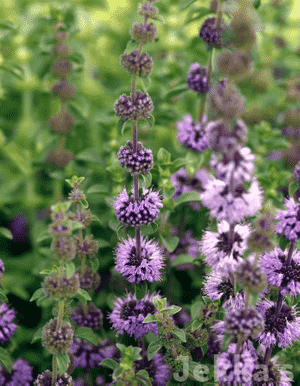
The ideal window for relocating pennyroyal spans from the beginning to the end of spring, a timeframe conducive to robust development. Verify that the new location offers soil with good drainage and exposure to partial or full sun. Bear in mind that pennyroyal flourishes in moist, cooler environments. Enjoy your transplanting!
What Preparations are Needed Before Transplanting Pennyroyal?
What is the Ideal Time for Transplanting Pennyroyal?
Moving pennyroyal from early spring to its peak is optimal. This timeframe offers a balanced environment of mild temperatures and adequate moisture, fostering pennyroyal's development. Transplanting during this period ensures robust root establishment and abundant blooms. This alteration in pennyroyal's setting invites one to pause and appreciate nature's splendor.
How Much Space Should You Leave Between Pennyroyal Plants?
For pennyroyal, it's best to allow ample room for growth by spacing them 12-18 inches (30-45 cm) apart during relocation. This will ensure they have sufficient area to thrive and absorb necessary nutrients.
What is the Best Soil Mix for Pennyroyal Transplanting?
To prepare the soil for relocating pennyroyal, choose well-draining, fertile soil enriched with a foundational fertilizer such as compost or aged manure, which will boost the soil's nutrient content and encourage healthy growth.
Where Should You Relocate Your Pennyroyal?
Select a sunny spot for moving pennyroyal as it flourishes in full sunlight. However, partial shade is also acceptable if full sun isn't available. Remember that ample sunlight promotes better growth and more intense flavors.
What Equipments Should You Prepare Before Transplantation Pennyroyal?
Gardening gloves
To safeguard your hands while handling soil and pennyroyal.
Garden trowel
Essential for excavating a hole for the pennyroyal.
Spade
This implement will assist in lifting the pennyroyal from its original spot without harming its roots.
Watering can
Needed to provide water to the pennyroyal before and after its relocation.
Garden fork
Utilized for loosening the soil without damaging the root system.
Tape measure
Helps maintain the optimal distance between each pennyroyal during planting.
How Do You Remove Pennyroyal from the Soil?
How Do You Remove Pennyroyal from the Soil?
From Ground: Hydrate the pennyroyal before removal to make the soil pliable and lessen transplant shock. Use a spade to dig a wide trench around the pennyroyal, ensuring the plant's root ball stays intact. Carefully work the spade beneath the root ball to lift the plant from its initial location.From Pot: Begin by watering the pennyroyal to facilitate an easier and less stressful removal process for the plant. Turn the pot on its side, gently hold the plant by its stems or leaves, and tap the bottom of its container until the plant slides out. Be cautious not to pull on the stems or leaves as this could potentially harm the plant.From Seedling Tray: Before removal, thoroughly water the tray of pennyroyal. Using a garden trowel or a similar tool, gently ease the pennyroyal from their compartments, taking care to avoid root damage.
Step-by-Step Guide for Transplanting Pennyroyal
Preparation
Water your pennyroyal deeply the day before the move to minimize stress.
Digging
Excavate a hole in the new location deep enough to accommodate the plant's roots. Position the pennyroyal in the hole, ensuring it stands upright.
Placing the Plant
Place the root ball of pennyroyal into the hole. Backfill the hole with soil, up to the level of the plant's original growing conditions.
Watering
Thoroughly water the pennyroyal immediately after transplanting to help the soil settle.
How Do You Care For Pennyroyal After Transplanting?
Watering
Proper hydration of your pennyroyal is vital post-transplant. Initially, give the plant a good watering, then maintain a consistent watering routine.
Feeding
Adhere to a suitable feeding and fertilizing schedule. It's generally not necessary to fertilize newly transplanted pennyroyal for several weeks as they adapt to their new spot.
Pruning
Trimming is beneficial after relocation. Remove any dead or faded foliage from the plant to encourage fresh growth.
Monitor
Keep a close watch on your relocated pennyroyal, looking for any signs of distress such as wilting or yellowing leaves, as these may indicate an issue with the transplant process.
Troubleshooting Common Issues with Pennyroyal Transplantation.
When is the best time to transplant pennyroyal?
Relocate pennyroyal from early spring to late spring for optimal growth.
What is the ideal spacing to maintain while transplanting pennyroyal?
It's advisable to keep a gap of approximately 12-18 inches (30-45 cm) between each pennyroyal.
What should I do if the transplanted pennyroyal is wilted?
If pennyroyal appears droopy after transplanting, it's likely experiencing transplant shock. Ensure it is well-hydrated and receives adequate sunlight.
How deep should the hole be for transplanting pennyroyal?
The hole should be deep enough to encompass the root ball of pennyroyal. Typically 2-3 times deeper than the root ball's height.
What can I do if my transplanted pennyroyal isn't flowering?
Pennyroyal may not bloom if it's not getting enough sunlight or nutrients. Ensure it's in a sunny location with well-drained, fertile soil.
Should pennyroyal be pruned after transplanting?
It's recommended to lightly trim pennyroyal after relocating. This helps it focus energy on root development and reduces water loss through leaves.
How often should I water pennyroyal after transplanting?
Pennyroyal prefers consistently moist soil. Water thoroughly after transplanting, and keep the soil damp thereafter, adjusting for rainfall and temperature.
What if pennyroyal has yellow leaves after being transplanted?
Yellow leaves could signal overwatering. Ensure the soil drains well, and reduce watering frequency until the plant recovers.
Why are the leaves of my transplanted pennyroyal turning brown at the edges?
Brown edges might suggest your pennyroyal is receiving too much sun or insufficient water. Try moving it to partial shade and follow a regular watering schedule.
How can I protect transplanted pennyroyal from pests?
You can safeguard pennyroyal from pests by employing organic and non-toxic pest control methods, such as neem oil or insecticidal soap.



