Optimal Fertilizer for Growing Pennyroyal: What You Need to Know
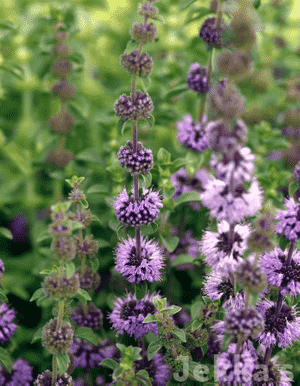
1
Pennyroyal thrives with a well-balanced, gradual-release plant food, reducing the chance of excessive feeding.
2
After fertilizing Pennyroyal, consistently drench the plant with water to aid in uniform nutrient distribution.
3
Natural soil amendments like compost or aged manure can greatly enhance Pennyroyal's soil composition and richness.
Grasping Pennyroyal's Fertilization Requirements
Key Nutrients for Pennyroyal
Similar to all flora, Pennyroyal flourishes when it obtains vital nutrients in suitable quantities. The primary macronutrients essential for its development include Nitrogen (N), Phosphorus (P), and Potassium (K). These elements support various plant functions: Nitrogen fosters abundant green foliage, Phosphorus aids in root growth and blooming, and Potassium ensures overall plant vigor and drought resilience. Furthermore, micronutrients such as Iron, Magnesium, and Calcium play supportive roles in sustaining the plant's health.
Indicators of Nutrient Deficiency in Pennyroyal
Nutrient shortages in Pennyroyal manifest in several ways. Observe for yellowing leaves, stunted development, or poor blooming, which might signal a lack of Nitrogen. Phosphorus insufficiency is often indicated by dark, bluish-green leaves and delayed flowering. Inadequate Potassium can cause leaf edges to brown and die back. By recognizing these signs early, you can adjust your feeding regimen to correct imbalances and ensure robust growth.
Selecting the Appropriate Fertilizer for Pennyroyal
Fertilizer Types Suitable for Pennyroyal
For optimal Pennyroyal growth, you can select from various fertilizer categories. Balanced fertilizers, such as 10-10-10 (N-P-K), are frequently ideal as they supply equal amounts of essential nutrients. Slow-release fertilizers can also be advantageous as they provide a consistent nutrient supply over an extended duration, reducing the risk of over-fertilization. Additionally, compost and organic matter can enrich the soil, boosting nutrient availability and enhancing soil structure.
Organic vs. Synthetic Fertilizers: Which is Better for Pennyroyal?
The discussion between organic and synthetic fertilizers comes down to individual preference and specific plant demands. Organic fertilizers, such as compost, manure, or bone meal, improve soil health over time and support a sustainable gardening approach. They release nutrients gradually, which lessens the probability of nutrient burn. Synthetic fertilizers, conversely, offer an immediate nutrient boost and are often more economical. However, they can accumulate salts in the soil over time. For Pennyroyal, a combination of both can be effective, utilizing synthetic fertilizers for a quick nutrient fix and organic options for long-term soil health.
Frequency of Fertilizing Pennyroyal
Optimal Times of Year for Fertilizing Pennyroyal
The best period to fertilize Pennyroyal is during its active growth phase, typically in spring. This timing ensures the plant has ample access to nutrients when it needs them most for development and growth. Applying fertilizer at the beginning of the growing season can provide Pennyroyal with a healthy boost, promoting vibrant foliage and abundant flowering.
Signs for Immediate Fertilization
Occasionally, Pennyroyal may require an immediate nutrient boost outside the regular feeding schedule. Indicators for this include noticeably pale or yellowing leaves, slow or stunted development, and poor blooming. These signs often suggest the plant is not receiving sufficient nutrients from the soil. When you observe these symptoms, consider an additional fertilizer application to help the plant recover and thrive.
Applying Fertilizer to Pennyroyal
Step-by-Step Guide for Fertilizer Application
Applying fertilizer to Pennyroyal is straightforward. Follow these steps for effective fertilization:Select a balanced or slow-release fertilizer appropriate for Pennyroyal.Measure the recommended quantity based on the instructions on the fertilizer packaging.Evenly distribute the fertilizer around the plant's base, avoiding direct contact with leaves and stems.Gently incorporate the fertilizer into the top layer of soil to enhance nutrient absorption.Water the plant thoroughly to help dissolve the fertilizer and transport nutrients to the roots.
Common Errors to Avoid When Fertilizing Pennyroyal
To ensure your Pennyroyal's health and vitality, steer clear of these common fertilization mistakes:Over-fertilizing: Excessive fertilizer can lead to nutrient burn and damage the plant's root system.Incorrect timing: Fertilizing during the dormant season (fall and winter) is ineffective as the plant's nutrient uptake is minimal.Using high-nitrogen fertilizers exclusively: While Nitrogen is crucial, a lack of Phosphorus and Potassium can impede root and flower development.Ignoring soil pH: Pennyroyal prefers slightly acidic to neutral soil. Test your soil's pH and adjust as needed to ensure optimal nutrient absorption. By being mindful of these points, you can create an ideal growing environment for your Pennyroyal.



