How to Prune Pennyroyal?
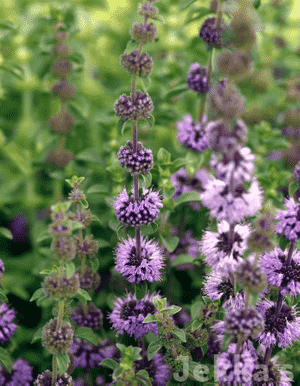
This fragrant perennial herb is recognized for its mint-like aroma and tiny purple blossoms. For pennyroyal, trim sparingly to foster dense development, reducing its stature by as much as one-third. The timing is critical; the best periods are early spring or late summer, following blooming. Consistent removal of spent flowers boosts vitality and curbs undesirable proliferation. Specifically for pennyroyal, refrain from winter pruning to shield nascent growths from frost harm. Advantages of pruning encompass regulated expansion, better air movement, and heightened essential oil synthesis in the foliage.
What Are the Benefits of Pruning Pennyroyal?
What Are the Benefits of Pruning Pennyroyal?
Trimming pennyroyal encourages robust new development, maintaining a dense, full shape. Regular trimming prevents pennyroyal from becoming leggy and untidy, enhancing its health and visual appeal.
What Is the Best Time for Pruning Pennyroyal?
What Is the Best Time for Pruning Pennyroyal?
Early spring is optimal for trimming pennyroyal as it precedes the new growth phase, allowing the plant to direct energy into developing fresh shoots and leaves. This timing also boosts the plant's resilience and prepares it for vigorous growth during the active season. Late summer pruning helps remove faded flowers and any unwanted or overgrown foliage, stimulating a second flush of growth and readying pennyroyal for winter dormancy while lowering disease and pest risks.
What Tools Do I Need to Prune Pennyroyal?
Hand Pruners
Perfect for precise cuts on pennyroyal's stems without harming the plant. Ergonomic bypass pruners ensure clean, healthy cuts.
Garden Scissors
Useful for snipping delicate stems and leaves of pennyroyal, fostering herbaceous growth and aiding in shape maintenance.
Shears
Handheld shears can be used for shaping and managing the spread of pennyroyal during more extensive trimming.
Pruning Snips
These are excellent for deadheading or selectively removing spent flowers from pennyroyal to encourage new development.
Gloves
Wearing gloves is recommended to prevent skin irritation when handling pennyroyal, as it might cause a reaction in sensitive individuals.
How to Prune Pennyroyal
Step1: Tool Preparation
Prepare your tools. Ensure your pruning shears or scissors are clean and sharp to avoid damaging pennyroyal's stems and prevent disease spread.
Step2: Dead Stem Assessment
Examine the entire plant for dead stems. Dead stems will appear brown and brittle, unlike the green, more flexible healthy stems.
Step3: Removing Dead Stems
Carefully cut away dead stems at the base of pennyroyal, making clean cuts to avoid tearing plant tissue. Dispose of removed material to prevent potential disease spread.
Step4: Yellow Leaf Removal
Look for yellow leaves, indicating old or diseased foliage. Cut these leaves close to the stem, being careful not to harm nearby healthy leaves.
Step5: Overgrowth Evaluation
Identify overgrown shoots that are sprawling excessively or encroaching on other plants. Determine the desired shape and size for pennyroyal.
Step6: Trimming Overgrown Shoots
Trim overgrown shoots by cutting them back to a healthy set of leaves. Make the cut just above a leaf node, where new growth can emerge.
Step7: Shaping After Pruning
After trimming overgrown shoots, step back to assess pennyroyal's overall shape. Make any additional shaping cuts to encourage a dense, bushy growth habit.
Step8: Post-Pruning Cleanup
Clean up all trimmings from around pennyroyal to keep the area tidy and eliminate potential pest or disease havens.
Step9: Post-Pruning Watering
Water pennyroyal thoroughly after pruning to reduce stress and aid recovery, being careful not to overwater to prevent root rot.
Step10: Growth Monitoring
Monitor pennyroyal in the following weeks for new growth, which will indicate the plant is healthy and responding well to the pruning.
Post-Pruning Care for Pennyroyal
Post-Pruning Care for Pennyroyal
After trimming pennyroyal, water generously right away to help lessen transplant shock. Ensure pennyroyal gets dappled sunlight to promote healing without scorch stress. Maintain ambient temperatures between 60-70°F and high humidity levels. Apply a balanced, mild fertilizer to support new growth. Regularly check for wilting or discoloration as signs of distress. At the first indication of infectionâsuch as leaf spots or unusual marksâtreat with an appropriate fungicide or pest control method.
Common Pruning Mistakes with Pennyroyal
Over-pruning Reduces Photosynthesis
Trimming too aggressively can result in insufficient foliage for effective photosynthesis, leading to stunted growth or a weakened state that increases susceptibility to pests and diseases.
Dull or Dirty Tools Harm Plants
Using dull or unclean pruning tools can damage pennyroyal's stems, making them more prone to infection and hindering proper healing after cuts.
Neglected Dead Foliage Spreads Disease
Failing to remove dead or diseased foliage can allow problems to spread throughout pennyroyal, compromising the plant's health and vitality.
Improper Cuts Inhibit Regrowth
Cutting into the woody base of pennyroyal where no leaves are present can prevent regrowth, as new shoots typically emerge from the green, leafy sections of the stems.
Common Pruning Tips for Pennyroyal
Use Sharp, Clean Shears for Healthy Cuts
Utilize sharp, clean pruning shears to make precise cuts on pennyroyal. This aids in quick healing and reduces disease risk.
Thin Out for Better Airflow and Light
Focus on thinning overcrowded areas to enhance air circulation and light penetration, both vital for pennyroyal's health and growth. This also helps prevent fungal infections.
Remove Dead Leaves to Spur New Growth
Regularly remove dead or yellowing leaves and spent flower spikes to encourage pennyroyal to produce new, healthy growth and potentially more flowers.
Prune Above Leaf Nodes for Bushier Growth
When pruning, cut just above a leaf node or set of leaves to encourage bushier growth, as pennyroyal will often send out new shoots from the cut point.
Preserve Green Growth for Photosynthesis
Always leave a good portion of the green growth intact, ensuring pennyroyal has enough leaf surface area for photosynthesis to support healthy development after pruning.



