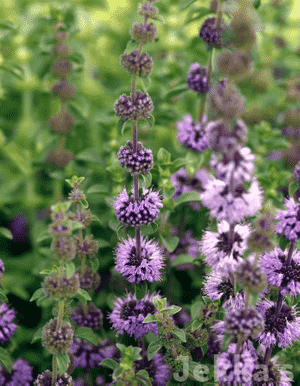
Pennyroyal(Mentha pulegium)

Pennyroyal (Mentha pulegium)

Also known as: Mosquito plant, Pudding grass, English pennyroyal, True pennyroyal

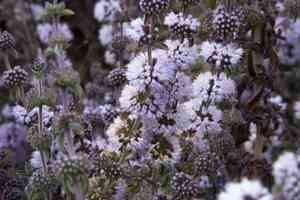
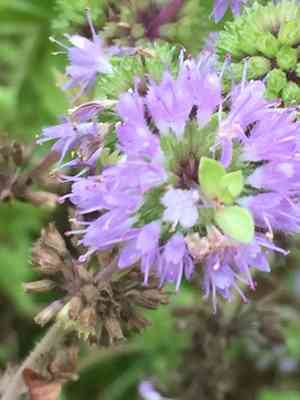
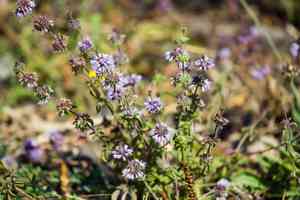
Pennyroyal, a creeping perennial, originates from regions including Europe, North Africa, and the Middle East. It thrives in moist environments like marshes, stream banks, and seepage areas. In the summer, it produces small, fragrant lilac flowers arranged in clusters.

Attributes of Pennyroyal

Lifespan
Perennial
Plant Type
Herb
Plant Height
10 cm
Spread
60 cm
Leaf Color
Green
Flower Size
1 cm to 1.5 cm
Flower Color
Purple Pink

ForwardPlant - Identify plants with a snap

Identify and diagnose plants, get toxicity alerts, and explore safety guides for all types of fungi.

Try for Free

Images of Pennyroyal

Pennyroyal(Mentha pulegium)

Quickly Identify Pennyroyal

1
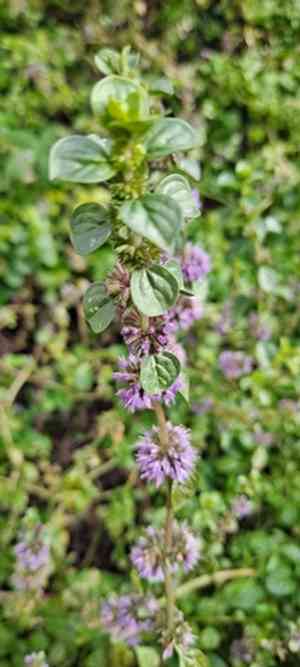
Mentha pulegium can be identified by its erect, hairy stems, ovate to elliptical leaves with serrated edges, and small mauve flowers arranged in dense whorls.

Scientific Classification of Pennyroyal

Phylum
Vascular plants
Class
Dicotyledons
Order
Lamiales
Family
Mint
Genus
Mints
Species
Pennyroyal

Planting and Growing of Pennyroyal

Care Difficulty
Easy
Watering Schedule
Every 4 days
Sunlight Requirements
Full sun
Sunshine Duration
4-6 hours
Ideal Temperature
60-70℉
Soil Type
Potting Mix, Peat Mix
Soil pH
6.5-7.5
Fertilizer Type
Balanced
Pruning Season
Spring, Summer
Pruning Area
Branches, Leaves
Pruning Frequency
Once a year
Repotting Season
Spring
Pot Type
Terracotta, Plastic

water icon How to Water Pennyroyal?

Mentha pulegium, commonly known as pennyroyal, requires approximately 250 milliliters of water per watering session. Ensure the soil is moist but not waterlogged. The aim is to reach the roots effectively without causing saturation. The topsoil should be damp, but not soggy.
What are the symptoms of an underwatered Pennyroyal?
What should I do if my Pennyroyal is not getting enough water?
What are the symptoms of an overwatered Pennyroyal?
How to save an overwatered Pennyroyal?
More About Watering Techniques

sunlight icon What Are the Sunlight Requirements for Pennyroyal?

Sunlight Requirements: Full sun, Partial sun
Duration of light: 6 to 8 hours daily
Mentha pulegium does best in a lighting environment featuring partial to full sun, ideally around 6 to 8 hours of exposure per day, promoting healthy growth and optimal oil production.
How much sunlight does Mentha pulegium require?
What are the best solutions for providing optimal light?
What benefits result from ideal lighting?
More About Sunlight Requirements Techniques

temperature icon What Is the Ideal Temperature Range for Pennyroyal?

Ideal Temperature: 60 ~ 70℉
Mentha pulegium thrives best in temperatures ranging from 60°F to 70°F. This range allows the plant to photosynthesize efficiently, grow steadily, and produce high-quality foliage. Maintaining this temperature ensures optimal metabolic activity and healthy development.

soil icon What Soil is Best for Pennyroyal?

Soil type: Loam, Sandy loam, Calcareous soil
Soil PH: 6.5 ~ 7.5
Mentha pulegium thrives in well-drained soil that prevents water from pooling and causing root rot. This requirement ensures the roots have access to oxygen and reduces the risk of fungal diseases. This plant prefers soil rich in organic matter, which provides essential nutrients for its growth. The presence of nutrients such as nitrogen, phosphorus, and potassium promotes vigorous growth and enhances the plant's aromatic qualities. Soil that retains moderate moisture without becoming waterlogged is ideal for Mentha pulegium. This helps maintain a consistent moisture level, essential for the plant's vitality, and supports continuous growth throughout the growing season. More About Soil

fertilize icon How to Fertilize Pennyroyal?

Fertilizer type: Balanced
When fertilizing Mentha pulegium, it's important to apply a balanced fertilizer at a rate of about half the recommended label strength. Over-fertilization can lead to weak, leggy growth. Use caution, especially during the active growing season to ensure optimal growth without causing harm to the plant. More About Fertilizing Techniques

prune icon How to Prune Pennyroyal?

Pruning Time: Spring, Summer, Autumn
Look for older, woody stems which may hinder the growth of younger, vibrant shoots. Focus on cutting these back to encourage fresh, new growth and maintain a healthy plant structure. Make your cuts just above a leaf node, as that's where new growth will sprout. This encourages a more compact and lush appearance, creating a fuller plant structure that is aesthetically pleasing. While pruning, aim to maintain a uniform shape to prevent the plant from becoming lopsided. This balance helps the plant in distributing nutrients evenly and supports its overall stability. More About Pruning Techniques

propagate icon How to Propagate Pennyroyal plant?

Propagate Time: Spring, Early spring, Late spring
1
Start by filling seed trays with well-draining soil, and then evenly distribute the Mentha pulegium seeds on the surface. Cover them lightly with soil. Moisten the soil carefully without washing away the seeds. Place the tray in a sunny location to ensure optimal germination conditions.
2
Select healthy, non-flowering shoots about 10 cm long. Using sharp pruning shears, make a clean cut just below a node. Remove leaves from the lower half of the cutting and dip the cut end in rooting hormone before planting in a well-drained growing medium.
3
Mentha pulegium can also be propagated through root division. Carefully dig up the plant and divide the root ball into smaller sections, ensuring each section has roots and shoots. Replant immediately in prepared soil, keeping the same depth as the original plant.
More About Propagating Techniques

repot icon How to Repot Pennyroyal plant?

Repotting frequency: Every 1-2 years
1
It's time to repot Mentha pulegium when you notice roots protruding through the drainage holes or the plant appears root-bound. Another signal is if water sits on top of the soil without draining, indicating compacted roots hindering moisture absorption. Ideally, repotting should occur before active growth in spring or as the plant slows down in autumn to minimize stress.
2
Choose a pot that is one size larger than the current one, with adequate drainage holes. This allows the roots to expand and reduces waterlogging risks. Opting for a breathable material like terracotta ensures excess moisture evaporates, averting root rot. A slightly heavy pot is advantageous to counterbalance the plant's top-heavy nature, minimizing tip risks.
3
Select well-draining potting soil, preferably one mixed with sand or perlite. Such soil facilitates robust root aeration, preventing water stagnation. Its superior drainage capacity diminishes the likelihood of fungal infections in perpetually moist roots, a common ailment in dense soil mixtures.

ForwardPlant - Identify plants with a snap

Find the best spots for them to optimize their health, simply using your phone.

Try for Free

Toxicity of Pennyroyal

Is Pennyroyal toxic to humans?

Pennyroyal is a harmful plant that poses significant risks when consumed. Its essential oil is particularly hazardous and has been linked to severe liver damage, kidney failure, miscarriage, and even death. Consuming even small quantities of pennyroyal can result in symptoms such as vomiting, diarrhea, abdominal pain, delirium, and fever. Children are especially vulnerable to pennyroyal toxicity due to their natural curiosity. Additionally, direct contact with the oil can cause skin dermatitis.

Is Pennyroyal toxic to cat?

Pennyroyal represents a serious toxicity hazard for cats. When felines consume any part of the pennyroyal plant, whether deliberately or inadvertently, they are at risk of poisoning. Exposure to this plant can result in the emergence of harmful health issues. Although the exact toxic compounds found in pennyroyal are not specified here, the consequences may manifest as various physical ailments and functional disturbances that could be subtle at first glance. If there's suspicion that a cat has ingested any segment of pennyroyal, it is crucial to obtain professional veterinary assistance without delay to reduce the impact of the poison.

Is Pennyroyal toxic to dog?

Pennyroyal is an extremely toxic plant for dogs, presenting significant health hazards. If dogs ingest the plant, especially its leaves, they risk poisoning due to the harmful substances present. The ingestion of pennyroyal can lead to a range of symptoms associated with poisoning. These manifestations may include gastrointestinal distress, such as vomiting and diarrhea, depression of the central nervous system, breathing difficulties, liver failure, and in severe instances, it could be fatal. It is imperative for dog owners to keep their pets away from areas where pennyroyal is found and to remain alert about their pet’s surroundings. If there is any suspicion that a dog may have ingested any part of pennyroyal, seeking immediate veterinary care is critical to enhance the chances of recovery.

Identify toxic plants for your safety

Learn which plants are harmful to you and your pets, and make informed choices for a safer home!

Try for Free
WARNING
The judgment on toxicity and danger is for reference only. We DO NOT GUARANTEE any accuracy of such judgment. Therefore, you SHALL NOT rely on such judgment. It is IMPORTANT TO SEEK PROFESSIONAL ADVICE in advance when necessary.
More About Toxic Techniques