How to Propagate Pennyroyal?
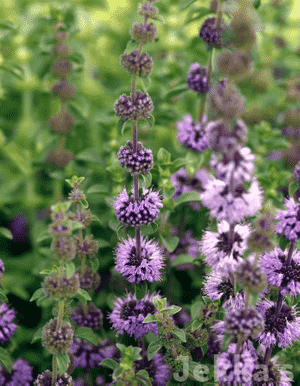
Spring is the perfect period for propagating pennyroyal, utilizing the seeding technique. This particular plant multiplies readily and rapidly, with the appearance of its young sprouts indicating successful reproduction. No extra specialized advice is required.
Optimal Period for Pennyroyal Propagation
Propagation Method
Seeding
Propagation Season
Spring
Equipment Used for Pennyroyal Propagation
Seed trays
Seed trays are crucial for initiating pennyroyal from seeds. Their shallow compartments facilitate proper spacing and depth control, ensuring seeds receive adequate air and moisture. The transparent plastic covers create a mini-greenhouse effect, aiding germination.
Seed-starting mix
Employing a premium seed-starting mix guarantees that pennyroyal seeds have a sterile, nutrient-rich environment with good drainage and air circulation, essential elements for successful germination and early root growth.
Misting bottle
A misting bottle delivers gentle moisture to pennyroyal seeds and young plants, which is vital for keeping them hydrated without over-saturating or disturbing the soil, potentially dislodging tiny seeds.
Heat mat
A heat mat promotes efficient germination of pennyroyal by maintaining a consistent soil temperature. Warmth is a key factor in stimulating seed germination, and a heat mat can be particularly beneficial in cooler growing environments.
Labeling sticks or tags
Labeling sticks are important for tracking pennyroyal seed varieties, planting dates, and other crucial information to effectively monitor and manage the propagation process.
Garden trowel
A garden trowel is utilized for transplanting pennyroyal seedlings. It allows for precise digging and minimizes harm to the delicate roots during the transplanting procedure.
How to Propagate Pennyroyal?
Propagation Type
Sowing
Difficulty Level
Easy
How to Care for Your Newly Propagated Pennyroyal?
How to Care for Your Newly Propagated Pennyroyal?
Following propagation, continue with routine upkeep to ensure the well-being of pennyroyal. It demands minimal attention, flourishing in full to partial sun with moist soil. Water pennyroyal when the top inch of soil is dry, and mulch can be applied to retain moisture. Pennyroyal can be invasive, so regular trimming is essential to manage its spread. Removing spent flowers will encourage more blooms and prevent self-seeding. Monitor for common pests like aphids and treat with organic methods if they appear. Any diseased or damaged foliage should be promptly removed. Winter care is minimal as pennyroyal is quite resilient, but in very cold regions, a layer of mulch can offer additional protection.
Common Mistakes to Avoid When Propagating Pennyroyal
Overwatering
Excessive watering can lead to root rot and fungal issues in pennyroyal. Its natural environment suggests a preference for well-drained soil, so keeping the soil too wet can hinder root development and negatively impact the plant's overall health.
Too much handling
Excessive handling or disturbance of the cuttings or roots during propagation can damage the delicate tissues of pennyroyal, reducing the plant's ability to establish and grow successfully.
Ignoring light requirements
Insufficient light during propagation can result in leggy growth and weak pennyroyal plants. Conversely, too much direct sunlight can cause scorching and stress to the plant.
Tips For Propagating Pennyroyal
Stem cuttings
Using stem cuttings and ensuring they have at least one node buried in the soil can improve rooting success, as pennyroyal readily roots from its nodes.
Humidity
Maintaining a humid environment around the new cuttings can prevent the delicate leaves of pennyroyal from drying out before the cutting has established roots.
Soil conditions
Mimicking the natural soil conditions by using a well-draining soil mix can prevent water-logging and support healthy root development for pennyroyal.



