How to Transplant Alfalfa?
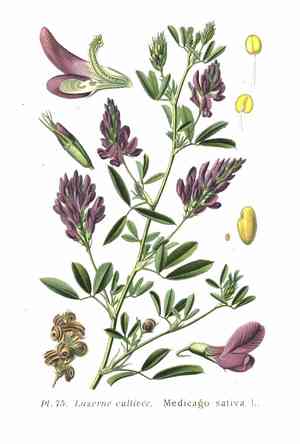
The ideal period for relocating alfalfa is from mid-spring to late spring, which facilitates its best development. Select a bright spot with soil that drains effectively, and think about incorporating a mild nutrient supplement. Bear in mind that alfalfa thrives in cooler conditions but can also endure warmer environments.
Preparations Required Before Moving Alfalfa?
Optimal Period for Relocating Alfalfa?
The ideal window for moving alfalfa spans from mid to late spring. This timeframe offers alfalfa suitable temperatures and moisture for development. Adhere to this schedule for flourishing, vibrant alfalfa plants.
Recommended Spacing Between Alfalfa Plants?
When relocating alfalfa, aim for a spacing of approximately 14-18 inches (35-45 cm) between plants. This ensures ample room for their growth and prosperity.
Best Soil Mixture for Alfalfa Relocation?
Prepare a soil that drains well with a pH level that is neutral to slightly alkaline for alfalfa. Incorporate compost or aged manure as a foundational fertilizer to enrich the soil and supply vital nutrients.
Where to Replant Your Alfalfa?
Select a sunny location for your alfalfa, receiving at least 6 hours of direct sunlight daily. This will promote vigorous growth and prevent potential shading issues from other vegetation.
Equipment Needed Before Alfalfa Relocation?
Gardening Gloves
To safeguard your hands while handling soil and the alfalfa plant.
Trowel
For excavating planting holes in the ground for the alfalfa transplants.
Shovel or Spade
To remove soil surrounding the root ball when extracting plants from the ground or to dig a larger planting hole for the alfalfa if necessary.
Watering Can or Garden Hose
To hydrate the alfalfa before and after its relocation.
Gardening Fork
To aerate compacted soil prior to planting alfalfa transplants.
Organic compost or Aged Manure
To enrich the planting hole with nutrients for enhanced growth of the alfalfa plant.
How to Extract Alfalfa from the Soil?
How to Extract Alfalfa from the Soil?
From Ground: First, moisten the soil around the alfalfa plant by watering it. Next, use a shovel or spade to dig a wide trench around the plant, ensuring the root ball remains intact. Carefully work the spade beneath the root ball to lift the alfalfa plant from its original spot.From Pot: Water the alfalfa plant in its pot to dampen the soil. Invert the pot while supporting the alfalfa plant with one hand, then tap the pot's base to release the plant, root ball, and soil. Handle the plant by its root ball, not the stem.From Seedling Tray: Gently water the alfalfa seedlings in the tray. Using a trowel or spoon, carefully lift the seedlings from the tray by scooping under the root ball. Be gentle to avoid harming the delicate roots of the alfalfa seedlings.
Step-by-Step Guide for Relocating Alfalfa
Harden Off alfalfa Plants
Gradually introduce alfalfa plants to outdoor conditions over 7-10 days before moving them. Begin by placing them in a sheltered outdoor area with indirect sunlight, increasing their exposure to sun and elements daily.
Loosen Soil
Utilize a gardening fork to loosen and cultivate the soil in the planting area to enhance aeration and drainage for alfalfa transplants.
Soil Amendment
Incorporate organic compost or aged manure into the planting hole and surrounding soil to supply nutrients for the alfalfa plant.
Plant Spacing
Position alfalfa seedlings or plants at intervals appropriate for their specific needs. Typically, this will be about 18-24 inches apart.
Relocate alfalfa
Using a trowel, excavate a hole for each alfalfa transplant. Gently place the plant into the hole, ensuring the root ball is level with the surrounding soil. Backfill the hole with soil and gently press around the plant to remove air pockets.
Water alfalfa Immediately
After relocating, thoroughly water alfalfa to help the plant settle into its new spot and minimize transplant shock.
Post-Relocation Care for Alfalfa?
Watering
Maintain consistent moisture in the soil around the alfalfa, avoiding sogginess, for the initial weeks after relocation to aid in root establishment.
Monitoring
Regularly observe alfalfa for indications of transplant shock, such as wilting or yellowing leaves. If these symptoms appear, confirm the plant is receiving adequate water and consider providing temporary shade.
Weed Control
Keep the area surrounding alfalfa free of weeds to reduce competition for water and nutrients.
Fertilizing
Optionally, apply a balanced fertilizer approximately one month after relocation to encourage alfalfa growth. Ensure adherence to package instructions for correct application rates and timing.
Resolving Common Issues with Alfalfa Relocation.
When is the best time to relocate alfalfa?
The optimal period for relocating alfalfa is from mid-spring to late spring when temperatures are moderate.
What spacing is needed when relocating alfalfa?
For healthy growth, alfalfa should ideally be spaced 14-18 inches (35-45 cm) apart during relocation.
Why is my relocated alfalfa wilting?
Alfalfa may wilt due to insufficient watering after relocation. Maintaining consistently moist soil can aid in its recovery.
What depth should the hole be for relocating alfalfa?
The hole should be deep enough to fully accommodate the alfalfa's root ball, generally twice its size.
Do I need to amend the soil before relocating alfalfa?
Yes, enriching the soil with compost or a slow-release fertilizer can help alfalfa establish quicker and grow healthier.
Why is relocated alfalfa turning yellow?
Yellowing in alfalfa could indicate overwatering or a nutrient deficiency. Check soil moisture and nutrient levels.
Should I prune alfalfa before relocating?
No, alfalfa does not require pruning before relocation. Instead, focus on providing optimal growing conditions.
How often should I water alfalfa after relocating?
Consistent watering is vital for alfalfa after relocation. Ensure the soil remains consistently moist but not waterlogged.
Can I relocate alfalfa in the summer?
The best time to relocate alfalfa is mid-spring to late spring. Summer relocation may stress the plant due to high temperatures.
Is partial shade sufficient for relocated alfalfa growth?
Alfalfa prefers full sun but can tolerate partial shade. Ensure it receives 6-8 hours of direct sunlight for robust growth.



