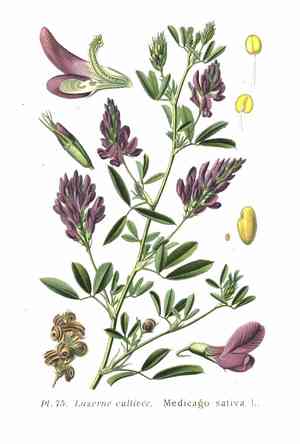
Alfalfa (Medicago sativa)
Also known as: Alfalfa, Lucerne
In North America, Medicago sativa is commonly known as alfalfa. This perennial plant belongs to the legume family, Fabaceae. While it’s referred to as alfalfa in North America, it is known as "lucerne" in many other parts of the world. The plant, which features purple flowers, has a clover-like appearance.
In This Article
Attributes of Alfalfa
Lifespan
Perennial, Annual, Biennial
Plant Type
Herb
Plant Height
30 cm to 1 m
Spread
1 cm
Leaf Color
Green Blue Yellow Bronze
Flower Size
1 cm to 2.5 cm
Flower Color
Purple
Images of Alfalfa
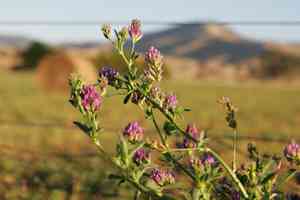
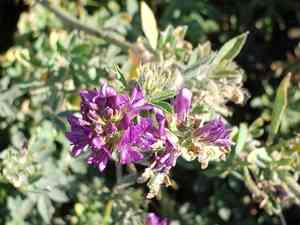
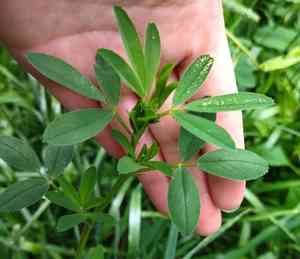
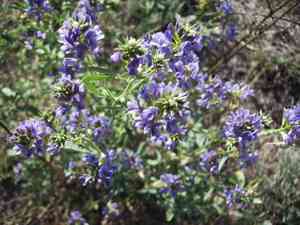
Quickly Identify Alfalfa
1
Medicago sativa can be identified by its trifoliate leaves, purple flowers, and spiral-shaped seed pods. The plant has a deep taproot system, enabling it to withstand drought conditions.
Scientific Classification of Alfalfa
Phylum
Vascular plants
Class
Dicotyledons
Order
Legumes, milkworts and allies
Family
Legume
Genus
Medicks
Species
Alfalfa
Planting and Growing of Alfalfa
Care Difficulty
Easy
Watering Schedule
Every 6 days
Sunlight Requirements
Full sun
Sunshine Duration
6-10 hours
Ideal Temperature
65-77℉
Soil Type
Potting Mix, Peat Mix
Soil pH
6.5-7.5
Fertilizer Type
Balanced
Pruning Season
Spring, Summer
Pruning Area
Branches, Leaves
Pruning Frequency
2 times a year
Repotting Season
Spring
Pot Type
Plastic, Ceramic
 How to Water Alfalfa?
Medicago sativa, commonly known as alfalfa, requires moderate watering. Ideally, water this plant until the soil is moist but not waterlogged, meaning the top 5 cm of soil should feel damp but not soggy. This ensures that the roots get adequate moisture without risk of root rot.
More About Watering Techniques→
What are the symptoms of an underwatered Alfalfa?
›
What should I do if my Alfalfa is not getting enough water?
›
What are the symptoms of an overwatered Alfalfa?
›
How to save an overwatered Alfalfa?
›
 What Are the Sunlight Requirements for Alfalfa?
Medicago sativa thrives in full sun. This consistent, strong light exposure boosts photosynthesis, hoisting productivity and enhancing its resilience.
More About Sunlight Requirements Techniques→
What is the best lighting for Medicago sativa?
›
How can you ensure Medicago sativa gets ideal light?
›
What are the benefits of ideal lighting conditions for Medicago sativa?
›
 What Is the Ideal Temperature Range for Alfalfa?
Medicago sativa, commonly known as alfalfa, thrives best within a temperature range of 65-77°F. This range supports optimal growth and enhances nutrient absorption, resulting in healthier and more robust plants. Maintaining these temperatures ensures active photosynthesis and prevents stress-induced growth stunting.
 What Soil is Best for Alfalfa?
Medicago sativa thrives in well-drained soil because it helps prevent waterlogging, which can lead to root rot. Well-drained soil enhances root aeration and promotes healthy plant growth, ensuring the plant's efficient nutrient uptake. This plant requires moderate to high fertility soils rich in essential nutrients like nitrogen, phosphorus, and potassium. Fertile soil supports vigorous growth and maximizes yield, contributing to the plant's robust development and high nutritional value. Medicago sativa benefits from deep soil profiles, which allow its taproots to establish effectively. Deep soils support strong root systems that enhance drought tolerance, allowing the plant to access deeper water reserves during dry periods.
More About Soil→
 How to Fertilize Alfalfa?
Medicago sativa, commonly known as alfalfa, demands careful fertilization to thrive. Ensure that nitrogen-rich fertilizers are applied at a rate of approximately 20-25 pounds per acre. This aids the growth and ensures the plant has adequate nutrients needed for its high protein content. Avoid over-fertilization to prevent nutrient leaching.
More About Fertilizing Techniques→
 How to Prune Alfalfa?
Begin by examining your alfalfa plants, identifying any brown, withered, or unhealthy stems. Removing these is crucial as they can prevent the spread of disease and promote the growth of healthier parts of the plant. Trim back any excessively long or overgrown sections. This encourages a bushier growth habit and allows more sunlight and air circulation, crucial for healthy alfalfa growth. Shape your alfalfa by trimming around the edges. This not only keeps your alfalfa tidy but also ensures even light distribution across the plant, fostering uniform growth.
More About Pruning Techniques→
 How to Propagate Alfalfa plant?
1
Select a well-draining soil mix rich in nutrients for optimum seed growth. Sterilize the soil by heating it to eliminate any potential pests or diseases, ensuring a healthy start for your plants.
2
Distribute seeds evenly over the soil surface, pressing them gently into the soil. Maintain a consistent moisture level by misting the soil lightly until germination occurs, typically within 7-10 days.
3
Choose healthy, non-flowering stems about 10 cm long for cuttings. Cut just below a leaf node to ensure maximum potential for root growth. Remove the lower leaves, leaving only a few at the top.
 How to Repot Alfalfa plant?
1
Medicago sativa needs repotting when its roots start to crowd the pot, usually peeking out from the drainage holes. Another sign is when the soil dries out too quickly, indicating excessive root mass. This usually happens during active growth in spring or summer. Repotting during these seasons minimizes stress as the plant can rejuvenate with optimal light and temperature conditions.
2
Select a pot that is 2-3 inches larger in diameter than the current one to give the roots ample space to grow. Ensure it has sufficient drainage holes, as Medicago sativa dislikes waterlogged conditions. A wider pot rather than a deeper one helps spread out the root system more evenly, promoting vigorous growth.
3
Opt for well-draining, loamy soil for repotting Medicago sativa. This type of soil provides excellent drainage while retaining just the right amount of moisture and nutrients. It prevents root rot and allows for healthy airflow around the roots, crucial for overall plant health and development.
Learn More About Alfalfa Diseases
Anthracnose
Bacterial Leaf Spot
Bacterial Wilt
Crown Gall
Cyst Nematode
Damping-off
Downy Mildew
Drought Stress
Fusarium Wilt
Gray Mold
Leaf Spot
Mosaic
Nutrient Deficiency
Nutrient Toxicity
Powdery Mildew
Root Rot
Root-knot Nematode
Rusts
Sooty Mold
Spider Mites
Temperature Stress
Thrips Damage
White Mold
Chemical Injury



