How to Propagate Alfalfa?
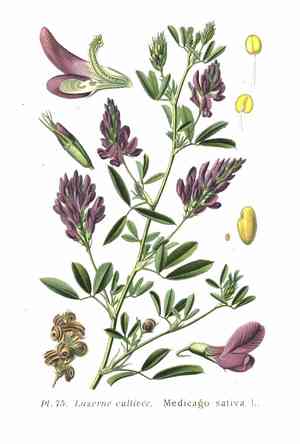
Alfalfa is most effectively propagated by planting seeds in the springtime, presenting a moderate challenge. Indicators of successful propagation include seed sprouting and robust development. Maintaining ideal moisture conditions is essential for successful propagation.
Optimal Period for Alfalfa Propagation
Propagation Method
Seeding
Propagation Period
Spring
Tools Utilized in Alfalfa Propagation
Seed trays or flats
Utilized for initiating alfalfa seeds within a regulated setting. These trays enable the planting of numerous seeds in a confined space, ensuring efficient area usage. Their design facilitates effortless transplanting once seedlings reach adequate maturity.
High-quality potting mix
Offers an appropriate growth medium that guarantees proper drainage and air circulation, both vital for alfalfa seed germination. This mix typically contains a balanced nutrient profile, contributing to the healthy development of young plant root systems.
Seed spreader
Especially useful when alfalfa is being propagated on a larger scale, such as in agricultural fields. A seed spreader ensures uniform seed distribution across the soil, fostering consistent germination rates and plant growth.
Watering can or misting system
Grants the propagator control over soil moisture levels, a critical aspect of the alfalfa germination process. Misting systems are particularly advantageous as they deliver gentle and consistent moisture without disturbing seeds or causing soil erosion.
Plastic dome or clear cover
Helps maintain humidity and warmth around alfalfa seeds, effectively creating a miniature greenhouse environment that can boost germination rates. It also aids in protecting seeds from pests and unfavorable conditions.
Plant labels or markers
Crucial for tracking sown alfalfa seeds, especially when propagating multiple varieties or plant species simultaneously. Labels assist in monitoring the progress of specific plant groups and are essential for evaluating propagation success.
Thermometer and hygrometer
These instruments monitor the temperature and humidity levels of the propagation environment, respectively. For alfalfa, maintaining the ideal range of these factors is key to ensuring the highest germination and growth rates.
Heating mat
Can be positioned beneath seed trays to provide consistent bottom heat, which can significantly increase alfalfa germination rates. This tool is particularly important when propagating in cooler conditions or during seasons with lower ambient temperatures.
How to Propagate Alfalfa?
Propagation Type
Seeding
Difficulty Level
Simple
How to Care for Your Newly Propagated Alfalfa?
How to Care for Your Newly Propagated Alfalfa?
Following propagation, alfalfa will require consistent irrigation, particularly during dry periods, to encourage deep root development. Fertilization is generally not needed as alfalfa fixes nitrogen in the soil. Cuttings can be harvested for forage or hay, being careful not to cut too low to allow for quick regrowth. Overgrazing or frequent harvesting can weaken the stand. In autumn, allow alfalfa to grow uncut to help it successfully overwinter. Rotate crops every three to four years to prevent soil-borne diseases from becoming established.
Common Mistakes to Avoid When Propagating Alfalfa
Excessive watering during germination
This can lead to seed decay or fungal infections, reducing the likelihood of successful alfalfa germination.
Planting seeds too deeply
Alfalfa seeds need light to germinate; therefore, if buried too far down, they may fail to sprout or emerge very weakly.
Ignoring soil pH level
Soil that is excessively acidic or alkaline can severely impact alfalfa germination and growth, as it prefers a pH range of approximately 6.5 to 7.5.
Neglecting weed management
Weeds can outcompete young alfalfa plants for nutrients, water, and sunlight, impeding their growth and establishment.
Using poor quality seeds
Seeds with low germination rates or those not certified weed-free can result in poor crop establishment and increased weed issues.
Tips For Propagating Alfalfa
Seed scarification
Breaking the alfalfa seed coat either mechanically or by soaking in water, as this increases water absorption and helps break dormancy for improved germination.
Proper seed spacing
Sowing alfalfa seeds at appropriate intervals ensures adequate air circulation and reduces disease risk, while providing sufficient space for growth.
Pest and disease monitoring
Regularly inspecting alfalfa propagation areas for pests and diseases prevents outbreaks that can devastate young plants.
Soil preparation
Tilling and incorporating organic matter into the soil before planting improves soil structure and fertility, promoting better root development for alfalfa.
Inoculation with rhizobacteria
Treating alfalfa seeds with specific rhizobia encourages the formation of nitrogen-fixing nodules on their roots, which can significantly enhance growth and vigor.



