Enhancing Your Garden Design with the Alfalfa Plant: A Landscaping Guide
1
Alfalfa serves as a superb environmentally sound ground cover, aiding in soil protection and enrichment.
2
Integrating Alfalfa into your garden plan can enhance aesthetic value and benefit native fauna.
3
Optimal placement, suitable companion plants, and correct seasonal timing are crucial for cultivating Alfalfa successfully.
Exploring the Advantages of Alfalfa in Garden Design
Eco-friendly Ground Cover: How Alfalfa Safeguards Your Soil
A key advantage of integrating Alfalfa into your outdoor space is its function as an environmentally friendly ground cover. Alfalfa possesses a robust root system that aids in preventing soil erosion, making it an excellent option for areas susceptible to soil loss. Furthermore, Alfalfa boosts soil fertility through nitrogen fixation, a natural process where atmospheric nitrogen is converted into a usable form for plants. This implies that, over time, Alfalfa can enhance your soil's health, lessening the need for chemical fertilizers. Utilizing Alfalfa as a ground cover also assists in maintaining soil moisture levels, reducing the necessity for frequent irrigation and fostering sustainable gardening methods.
Visual Appeal: The Aesthetic Value of Alfalfa
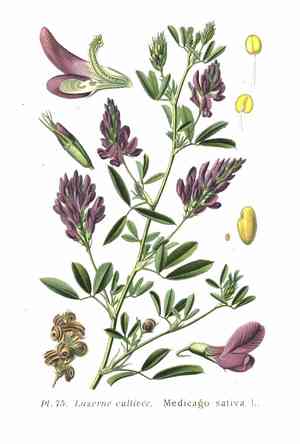
Alfalfa is not only practical but also introduces a distinctive aesthetic element to your landscape. Its vibrant green foliage and small, purple blossoms can create a picturesque meadow-like appearance. The plant's dense growth habit can offer a soft, carpet-like texture underfoot, making it an appealing choice for lawn alternatives or as a filler between taller plants. By incorporating Alfalfa, you can establish a visually pleasing and tranquil landscape that stands out year-round. Its vivid hues can also serve as a backdrop to highlight other plants and garden features, amplifying the overall visual impact of your garden.
Habitat Creation: Supporting Local Wildlife with Alfalfa
Alfalfa plays a vital role in sustaining local wildlife, making it a valuable addition to any environmentally conscious gardener's landscape. The dense foliage and flowers of Alfalfa provide a habitat for various insects, including beneficial pollinators like bees and butterflies. These pollinators, in turn, help other plants in your garden flourish. Additionally, Alfalfa can offer refuge and sustenance to small animals, contributing to a biodiverse and balanced garden ecosystem. By planting Alfalfa, you're creating a welcoming environment for wildlife, enriching the ecological diversity of your landscape while enjoying the beauty and utility it provides.
Integrating Alfalfa into Your Landscape Design
Selecting the Optimal Location: Where to Plant Alfalfa
When incorporating Alfalfa into your landscape, choosing the correct site is crucial for its success. Alfalfa thrives in well-drained soils and conditions ranging from full sun to partial shade. It's essential to select a spot that receives ample sunlight while ensuring the soil is fertile and drains effectively. Avoid areas prone to waterlogging, as Alfalfa prefers drier, well-aerated soils. Consider planting Alfalfa on slopes or in locations where soil erosion is a concern. Before planting, it's advisable to prepare the soil by removing weeds and adding organic compost to improve soil health and provide a nutrient-rich environment for Alfalfa to flourish.
Pairing Alfalfa with Other Plants: A Guide
Combining Alfalfa with other plants in your landscape can enhance the overall beauty and functionality of your garden. Alfalfa complements a variety of plants, including flowering perennials, shrubs, and grasses. Consider selecting companion plants that have similar light and soil requirements to ensure harmonious growth. For instance, you can pair Alfalfa with native wildflowers to create a vibrant and pollinator-friendly garden bed. Furthermore, Alfalfa's nitrogen-fixing properties can benefit neighboring plants by improving soil fertility, making it a supportive companion in mixed plantings. Experiment with different combinations to discover the perfect balance that suits your garden's aesthetic and ecological needs.
Seasonal Considerations: Best Times to Plant Alfalfa
Timing is critical when planting Alfalfa to ensure optimal growth and establishment. The ideal time to plant Alfalfa is during the cooler seasons of spring or early fall when the soil is moist and temperatures are moderate. Avoid planting during the peak of summer when high temperatures and dry conditions can stress young plants. In spring, aim to plant after the last frost date to give Alfalfa a strong start. In fall, planting approximately 6-8 weeks before the first expected frost will allow Alfalfa to establish roots before winter dormancy. By adhering to these seasonal considerations, you can give Alfalfa the best chance to thrive and enhance your landscape.
Caring for Alfalfa in Your Landscape
Watering Needs: Efficient Water Use for Alfalfa
Although Alfalfa is relatively drought-tolerant once established, proper watering is essential during its initial growth stages. Newly planted Alfalfa should be watered regularly to ensure the soil remains consistently moist but not saturated. After establishment, Alfalfa requires less frequent watering, making it an efficient choice for water-conscious gardeners. During dry periods, occasional deep watering helps maintain its health. Applying a layer of mulch around the base of the plants can help retain soil moisture and reduce the frequency of watering. Efficient water use not only supports the health of Alfalfa but also promotes sustainable gardening practices.
Mulching Techniques: Keeping Alfalfa Healthy
Mulching is a valuable technique to keep Alfalfa healthy and thriving in your landscape. Applying a layer of organic mulch, such as straw or shredded leaves, around the base of Alfalfa helps retain soil moisture, regulate soil temperature, and suppress weed growth. Mulch also contributes to soil fertility as it decomposes, providing essential nutrients. When mulching Alfalfa, ensure that the mulch is spread evenly and not piled directly against the stems to prevent rot. Regularly replenishing mulch layers will maintain its benefits throughout the growing season and contribute to the overall health and vigor of Alfalfa in your landscape.
Pruning Alfalfa: Enhancing Growth and Appearance
Regular pruning is necessary to maintain the growth and appearance of Alfalfa in your landscape. Pruning helps control the size and spread of the plant, encouraging denser growth and more abundant flowering. The best time to prune Alfalfa is in early spring before new growth begins. Remove any dead or damaged stems to promote healthy growth and prevent disease. Additionally, light trimming during the growing season can help maintain a tidy appearance and prevent the plant from becoming too leggy. Proper pruning techniques enhance the aesthetic appeal of Alfalfa and ensure it remains a vibrant and attractive part of your landscape.



