How to Prune Alfalfa?
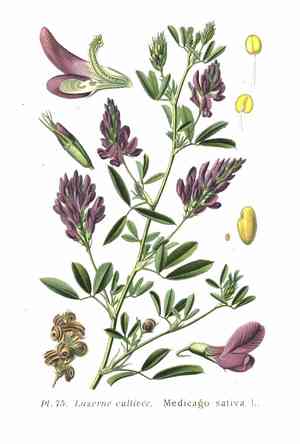
This enduring fodder legume is greatly prized for its capacity to fix nitrogen and its nutrient-dense leaves. For alfalfa, consistent harvesting is essential for sustaining plant vitality and superior forage quality. Trim during the initial developmental phases and across the entire cultivation period, from early spring until late summer. Reduce the plant to a height of 3-6 inches above the base to stimulate fresh sprouts. Effective trimming fosters thick, leafy development and deters excessive stem growth, thereby boosting output and nutritional content.
What Are the Benefits of Pruning Alfalfa?
What Are the Benefits of Pruning Alfalfa?
Trimming alfalfa promotes robust development and maintains its form, leading to strong health and increased output.
What Is the Best Time for Pruning Alfalfa?
What Is the Best Time for Pruning Alfalfa?
These periods are considered ideal as they coincide with alfalfa's active growth phase. Pruning in early spring as growth commences helps stimulate new development and can lead to a denser, more vigorous plant. During the growing season, consistent trimming can encourage alfalfa to direct more energy into vegetative growth, boosting leaf production, which is vital for alfalfa as a forage crop. Late summer pruning should be done carefully, allowing the plant ample time to recover before cold weather arrives. Avoiding pruning in the fall ensures that alfalfa does not enter winter with fresh cuts, which can cause cold damage and reduce winter hardiness. These guidelines help maintain plant health and maximize yield.
What Tools Do I Need to Prune Alfalfa?
Manual Pruning Shears
For precise trimming of alfalfa, hand pruning shears are perfect, enabling accurate cuts on smaller stems and helping to maintain the plant's desired shape.
Hedge Shears
When alfalfa is cultivated in a dense row or hedge, hedge shears are effective for uniformly and quickly cutting back top growth, which is advantageous during the active growing season.
Scythe or Sickle
Alfalfa is frequently grown as a forage crop, meaning large areas may need to be cut back for foliage harvest. A scythe or sickle can be efficiently used for mowing down extensive sections of alfalfa.
Gloves
Wearing gloves while trimming alfalfa protects the gardener's hands from potential irritants or cuts that might occur during the pruning process.
How to Prune Alfalfa
Step1: Timing Pruning Season
Choose the appropriate time for trimming alfalfa, which is typically early spring just before new growth starts or after harvesting when the plant is dormant.
Step2: Pruning Tool Preparation
Prepare the necessary implements for pruning alfalfa, including sharp pruning shears, gloves, and disinfectant for the tools to prevent disease transmission.
Step3: Identify Nonproductive Stems
Locate old alfalfa stems that did not produce vigorous shoots last season. These are likely to be woodier and appear different from productive stems.
Step4: Trim Old Growth at Base
Cut the old stems at their base, being careful not to harm the alfalfa crown or any new shoots. It's crucial to cut as close to the base as possible to encourage healthy regrowth.
Step5: Remove Yellow Leaves
Inspect alfalfa for any yellow leaves, which may signal nutrient deficiencies, disease, or natural aging. Yellow leaves typically won't regain their green color and can be removed.
Step6: Prune Unhealthy Foliage
Trim the yellow leaves of alfalfa by snipping them off at their base, ensuring not to pull too hard and damage the plant structure or remaining foliage.
Step7: Locate Withered Branches
Find withered branches on alfalfa, which are unsightly and can become a breeding ground for disease and pests if neglected.
Step8: Cut Back Dead Growth
Carefully cut back withered branches to the point where healthy, green growth is present. Be sure not to cut into the green part, as this could hinder the plant's ability to recover and regrow.
Step9: Debris Disposal
After trimming, collect and discard all pruned debris away from the alfalfa to minimize the potential for pests and disease.
Step10: Post-Pruning Plant Care
Monitor alfalfa after pruning for any signs of stress or disease and provide the necessary care, including watering, fertilizing, and further pest control if needed.
Post-Pruning Care for Alfalfa
Post-Pruning Care for Alfalfa
Immediately after trimming alfalfa, ensure an ample water supply to aid recovery, avoiding waterlogged soil. Maintain moderate environmental conditions; ideally, alfalfa thrives at 60-80°F with full sun exposure. Post-pruning, adjust nutrient input with balanced fertilizer to support regrowth. Regularly inspect alfalfa for discoloration or wilting as indicators of stress or disease. If symptoms arise, promptly manage with appropriate plant health practices. Consistent care will reinforce alfalfa's vitality post-pruning.
Common Pruning Mistakes with Alfalfa
Improper Tool Use Can Damage Stems
Not using clean, sharp tools for trimming can harm alfalfa stems, leading to ragged cuts that may attract pest infestation or disease.
Pruning Too Close to Crown Causes Rot
Trimming too close to the crown or soil can promote rot and infection in alfalfa.
Over-pruning Decreases Plant Vigor
Removing excessive foliage at once can stress alfalfa, diminishing its vigor and yield.
Failure to Remove Dead Growth Hinders Health
Neglecting to remove dead or damaged growth can impede the plant's development and make alfalfa more susceptible to diseases.
Wet Conditions Spread Disease During Pruning
Trimming during wet conditions can spread diseases among alfalfa plants, as pathogens easily travel through water.
Common Pruning Tips for Alfalfa
Sanitize Tools to Prevent Disease Spread
Regularly disinfect pruning tools with a bleach or alcohol solution before and after use to prevent the spread of diseases among alfalfa plants.
Cut Above New Buds to Enhance Regrowth
When pruning, make cuts at a slight angle approximately 1/4 inch above a new bud or leaf to encourage healthy regrowth in alfalfa.
Prune Shoot Tips for Bushier Growth
Focus on removing only the tips of the shoots during the growing season to promote bushiness and thicker growth in alfalfa.
Shape and Thin After Harvest
After harvesting, trimming can be done to shape the plant and remove any unproductive or excessively long stems that could lead to lodging.
Remove Diseased Foliage Immediately
Always remove any diseased, damaged, or dead foliage as soon as it is noticed to maintain the health and aesthetic appeal of alfalfa.
Space Stems for Better Air Circulation
Ensure ample space remains between stems after thinning to improve air circulation, which helps prevent fungal diseases in alfalfa.



