How to Transplant Western stoneseed?
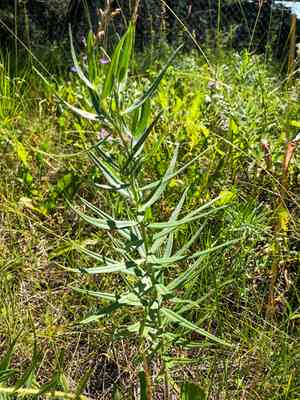
The optimal period for transplanting western stoneseed spans from the onset of mid-spring through the zenith of late spring, facilitating root development prior to the summer's warmth. Select a location featuring soil that drains effectively and receives moderate illumination. Bear in mind, delicate manipulation is crucial for preserving root structure.
What Preparations are Needed Before Transplanting Western Stoneseed?
What is the Ideal Time for Transplanting Western Stoneseed?
The best period for moving your western stoneseed is during the lively weeks of late spring. This allows western stoneseed to establish roots comfortably in mild soil, just before summer's heat, ensuring a smooth transition and successful settling in their new spot. Utilizing this timeframe encourages strong development, as the moderate temperatures and consistent spring moisture create an optimal bed for western stoneseed to flourish. Transplanting at this time prepares western stoneseed for the active growth season, enhancing their health and vigor. It's a gentle encouragement for them to thrive beautifully in their new location!
How Much Space Should You Leave Between Western Stoneseed Plants?
Hello, gardening enthusiast! Before placing your lovely western stoneseed in its new home, let's ensure it has space to grow! Aim for a separation of approximately 12-18 inches (30-46 cm). This will guarantee your western stoneseed has sufficient room to absorb nutrients and expand.
What is the Best Soil Mix for Western Stoneseed Transplanting?
Enriching the ground is crucial! For your western stoneseed, well-draining soil rich in organic material is ideal. Before planting, mix in a balanced, slow-release fertilizer to provide your western stoneseed with the initial boost it requires. Consider it a welcoming treat for your plant's roots!
Where Should You Relocate Your Western Stoneseed?
Sunlight is western stoneseed's greatest ally! Select a bright location where it can enjoy at least 6 hours of direct sun daily. If you reside in a very hot region, a spot with afternoon shade can help shield your western stoneseed from excessive heat.
What Equipments Should You Prepare Before Transplantation Western Stoneseed?
Shovel or Garden Spade
To excavate the plant and create a new planting hole.
Hand Trowel
For more precise digging around the root system.
Gardening Gloves
To safeguard your hands while handling soil and the plant.
Watering Can or Hose
To hydrate the western stoneseed before and after relocation.
Pruning Shears
To trim any dead or damaged roots or leaves.
Wheelbarrow or Plant Caddy
To safely transport the western stoneseed to its new site.
Stakes or Plant Supports
If western stoneseed needs bracing after being moved.
How Do You Remove Western Stoneseed from the Soil?
How Do You Remove Western Stoneseed from the Soil?
From Ground: Water the western stoneseed to moisten the soil. Dig a circle around the plant, leaving ample space to avoid cutting into the root system. Gently work the shovel beneath and lift the root ball out.From Pot: Water the western stoneseed thoroughly. Tilt the pot sideways and gently tap to loosen the root ball. Support western stoneseed by its base and carefully guide it out of the container.From Seedling Tray: Dampen the soil in the tray. Use a hand trowel or a spoon to carefully remove the seedling with its soil clump intact, supporting the root ball to prevent damage.
Step-by-Step Guide for Transplanting Western Stoneseed
Preparation
Ensure all necessary tools are at hand. Water western stoneseed in its original spot a few hours prior to transplanting to hydrate the plant and simplify removal.
Removal
Follow the appropriate removal method for western stoneseed's initial location, carefully extracting the plant with its root ball intact.
Prepare New Site
Dig a hole in the new spot that is twice as wide and the same depth as the root ball. Loosen the soil surrounding the hole.
Placement
Position western stoneseed in the center of the new hole. The top of the root ball should be level with the ground surface.
Fill In
Backfill the hole with soil around the root ball. Gently firm the soil to eliminate air pockets without compacting it too much.
Stabilize
If western stoneseed is tall or top-heavy, insert stakes or plant supports around it and secure gently.
Water
Water thoroughly to settle the soil and hydrate the roots, ensuring no standing water remains.
Mulching (Optional)
Apply a layer of organic mulch around western stoneseed to help retain moisture and regulate soil temperature.
How Do You Care For Western Stoneseed After Transplanting?
Regular Watering
Provide western stoneseed with consistent moisture, allowing the soil to dry out slightly between waterings to encourage root development.
Monitoring
Check western stoneseed daily for signs of transplant shock, such as wilting or discolored leaves, and adjust care as needed.
Initial Feeding
Wait a few weeks before applying any fertilizer to give western stoneseed time to recover from the stress of transplanting.
Support
Adjust stakes, ties, or other supports as western stoneseed grows to ensure stability without hindering natural development.
Pruning
Remove any dead or damaged foliage to promote healthy new growth and reduce the chance of disease.
Troubleshooting Common Issues with Western Stoneseed Transplantation.
What's the best time to transplant western stoneseed?
The ideal time to transplant western stoneseed is from mid to late spring, when the soil is warm.
How far apart should I space western stoneseed when transplanting?
Space western stoneseed 12-18 inches (30-46 cm) apart to ensure they have adequate room to grow.
Why are my transplanted western stoneseed plants wilting?
Wilting may be due to shock. Ensure they are watered sufficiently and not exposed to direct, intense sunlight.
Can I transplant western stoneseed in the summer?
It's preferable to transplant western stoneseed in cooler spring temperatures to minimize stress and encourage root growth.
What soil type is best for transplanting western stoneseed?
Use well-draining soil rich in organic matter to provide a healthy environment for western stoneseed's roots.
How do I prepare the soil before transplanting western stoneseed?
Till the soil to a depth of 12 inches (30 cm) and mix in compost to enrich it before planting.
How deep should the hole be for transplanting western stoneseed?
Dig a hole as deep as the root ball and twice as wide to give western stoneseed ample space to establish.
My transplanted western stoneseed looks droopy, what should I do?
Droopiness can occur after transplant. Allow it time to adjust, keep the soil moist, and protect from wind.
Should I fertilize western stoneseed after transplanting?
Wait a few weeks before fertilizing to allow western stoneseed to settle and avoid damaging delicate new roots.
How much should I water western stoneseed after transplanting?
Keep the soil consistently moist but not waterlogged for the first few weeks after transplanting western stoneseed.



