How to Propagate Western stoneseed?
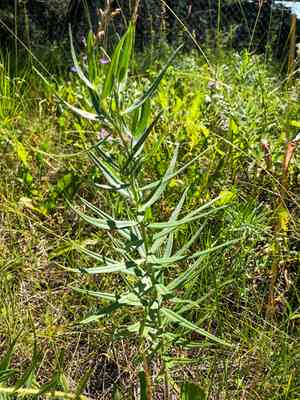
Lithospermum ruderale, a herbaceous perennial, recognized for its therapeutic properties and unique azure blossoms, flourishes across diverse habitats. To achieve successful cultivation, emphasis must be placed on planting seeds in a substrate that drains effectively, preventing waterlogging which can cause decay. Professional advice indicates that a period of cold treatment can improve the success of sprouting. After the young plants appear, meticulous care is required to guarantee proper distance between them and ample illumination to foster robust growth and maturation.
Optimal Period for Western Stoneseed Propagation
Propagation Method
Cutting
Propagation Period
Spring,Summer
Equipment for Western Stoneseed Propagation
Pruning Shears
Pruning shears are vital for taking western stoneseed cuttings. They enable clean, precise stem cuts without crushing plant tissue, which is key for preventing disease and encouraging healthy root growth. Choose shears with stainless steel blades for durability and sterility.
Rooting Hormone Powder
Rooting hormone powder promotes root development in western stoneseed cuttings. Dipping the cut end into the powder encourages faster rooting and stronger initial root formation, boosting propagation success rates.
Sterile Potting Mix
A sterile potting mix offers a clean, pathogen-free environment for western stoneseed cuttings, crucial for minimizing the risk of soil-borne diseases affecting new growth. A mix designed for seed starting or cuttings ensures proper aeration and moisture retention.
Plant Pots with Drainage Holes
Pots with drainage holes are fundamental for propagating western stoneseed from cuttings. These pots allow excess water to escape, preventing issues like root rot and fungus, which are detrimental to young plants.
Plastic or Glass Cover
Maintaining high humidity around western stoneseed cuttings is achieved with a plastic or glass cover, such as a bell jar or a cut plastic bottle. This mini-greenhouse effect helps retain moisture and warmth, essential for encouraging root development.
Watering Can with a Fine Rose
For newly propagated western stoneseed cuttings, gentle water application is necessary. A watering can with a fine rose attachment allows water to be lightly sprinkled over the soil, preventing compaction and minimizing disturbance to fragile new roots.
How to Propagate Western Stoneseed?
Propagation Type
Easy
Caring for Your Newly Propagated Western Stoneseed
Caring for Your Newly Propagated Western Stoneseed
Once roots have formed, gradually introduce young western stoneseed plants to less humid conditions by removing the plastic cover for increasing durations over several days. After full acclimation, transfer them to larger pots or their final growing spot, ensuring loose, well-draining soil. Continue regular watering, but avoid overwatering, as western stoneseed prefers slightly drier conditions. Monitor for pests and diseases, especially during early growth.
Common Errors to Avoid When Propagating Western Stoneseed
Overwatering
Excessive moisture can lead to root rot for western stoneseed, which is sensitive to waterlogged conditions. Soggy soil significantly hinders root development and can cause fungal infections.
Deep planting
Sowing western stoneseed's seeds too deeply can prevent germination, as these seeds require light to germinate effectively. Deeply buried seeds may not receive enough light, reducing germination rates.
Using dense soil
Utilizing heavy or clay-rich soil impedes the root growth of western stoneseed. Dense soil not only impairs drainage but also makes it difficult for roots to expand, crippling overall plant health.
Advice for Propagating Western Stoneseed
Light soil mix
Use a well-draining, light soil mix to enhance root growth and aeration for western stoneseed. This will help avoid issues like root rot and provide a favorable environment for seed germination.
Surface sowing
Scatter western stoneseed's seeds on the soil surface without covering them, or cover lightly with a thin layer of fine soil or sand. This leverages western stoneseed's need for light to ensure successful germination.
Moderate watering
Maintain balanced soil moisture by providing western stoneseed with moderate and consistent watering. It is crucial to keep the soil moist but not waterlogged to support healthy growth without risking fungal diseases.



