How Much Sunlight Do Western stoneseed Need?
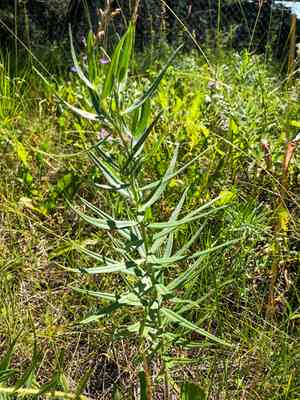
1
Western stoneseed flourishes optimally in abundant sunlight, needing more than 6 hours of direct sun each day.
2
Excessive sun exposure may cause leaf burn and desiccation in Western stoneseed.
3
Artificial grow lights can assist Western stoneseed in meeting its light requirements during shorter winter periods.
Ideal Sunlight Needs for Western stoneseed
Perfect Light Exposure
For peak development, Western stoneseed requires direct sunlight for a minimum of 6 hours daily. Morning light is especially beneficial as it's typically less harsh than afternoon sun, reducing the chance of scorching. Full sun implies direct light, so position this plant where it won't be shaded for significant periods.
Impacts of Insufficient Light
If Western stoneseed doesn't get enough light, you might observe slower development and fewer blossoms. Its leaves may become paler, indicating difficulty with photosynthesis. In severe instances, inadequate light can lead to weakness and increased vulnerability to pests and diseases. Ensure ample sunlight for its prosperity.
Impacts of Excessive Light
While Western stoneseed prefers full sun, too much intense light, particularly in very hot climates, can cause harm. Overexposure can result in leaf burn, where leaves develop brown edges or spots. This signifies dehydration and sun damage. To prevent this, ensure the plant is well-hydrated, especially during summer.
Finding the Best Spot for Western stoneseed
Indoor Placement
If cultivating Western stoneseed indoors, position it near a south-facing window to receive maximum sunlight throughout the day. Rotate the plant regularly for even light distribution on all sides. If natural light is insufficient, supplement with grow lights to meet its requirements.
Outdoor Placement
Outdoors, place Western stoneseed in a location that gets full sun, such as an open garden bed or a pot on a sunny patio. Avoid areas with dense shade from structures or trees. South or southwest-facing spots are ideal, providing abundant sunlight all day.
Adapting to Seasonal Changes
Adjusting Light During Winter
Western stoneseed might struggle with reduced light during colder months. Move it to the brightest available spot and consider using grow lights to supplement natural light. Ensure it receives at least 6 hours of light daily to maintain its health.
Adapting Light Exposure in Summer
In summer, Western stoneseed will thrive in full sun, but be mindful of extreme heat. Protect it during peak afternoon sun by providing some shade, especially if temperatures exceed 30°C (86°F). Proper watering is essential to prevent dehydration and sun damage.
Tools and Advice to Optimize Sunlight for Western stoneseed
Utilizing Grow Lights
Grow lights are excellent tools to ensure Western stoneseed gets sufficient light, especially during low-light seasons. Choose full-spectrum LED grow lights and place them about 30-45 cm (12-18 inches) above the plant. Aim for at least 12 to 16 hours of artificial light daily.
Understanding Light Intensity
Light intensity directly affects Western stoneseed's growth. Use a light meter to measure light levels in various spots in your home. Aim for 20,000 to 50,000 lux for optimal growth. Adjust the plant's position based on where the highest intensity is detected.
Maximizing Natural Light
Maximize natural light for Western stoneseed by placing it in an unobstructed outdoor area or a sunny indoor window. Regularly clean windows to ensure maximum light penetration and consider using reflectors to direct more light onto the plant.



