Enhancing Your Garden Design with the Western stoneseed Plant: A Landscaping Guide
1
Lithodora diffusa offers continuous aesthetic appeal through its distinct seasonal changes.
2
Lithodora diffusa flourishes in both structured and naturalistic garden environments.
3
Lithodora diffusa benefits native fauna and promotes ecological balance.
Appreciating the Visual Appeal of Western Stoneseed
Aesthetic traits: hue, dimensions, and form of Western stoneseed
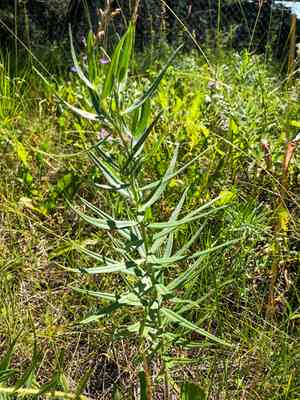
A primary reason to feature Western stoneseed in your outdoor space is its distinct visual charm. The plant showcases a graceful, refined structure marked by its subtle green leaves and delicate yellow blooms. These vibrant flowers can brighten any garden area, imparting a natural allure to various landscape designs. Regarding size, Western stoneseed stays relatively compact, making it a versatile addition without dominating other garden elements. The unique shape of its foliage and blossoms allows Western stoneseed to stand out, crafting a visually striking and harmonious garden arrangement.
Seasonal changes: How does Western stoneseed transform throughout the year?
Western stoneseed introduces seasonal vibrancy to your garden, evolving over the course of the year. In spring and early summer, Western stoneseed delights with its bright yellow flowers that begin to bloom and attract various pollinators. As the seasons advance, the flowers fade, but the foliage remains attractive, deepening in green shades. This seasonal shift offers a dynamic visual focal point that can keep the garden looking fresh and engaging year-round. By incorporating Western stoneseed into your landscape, you can enjoy a garden that never appears static or monotonous.
Companion plant recommendations for Western stoneseed
Western stoneseed pairs effectively with a variety of other plants, amplifying its beauty while contributing to an overall unified garden design. Consider planting it alongside native grasses, which can offer a complementary textural contrast. Additionally, colorful perennials like coneflowers or lavender can help accentuate Western stoneseed's delicate yellow blossoms. Shrubs such as sagebrush or junipers can also create a layered and textured effect that highlights Western stoneseed's aesthetic appeal. Combining these plants can result in a well-balanced and visually pleasing landscape that showcases the best of each species.
Integrating Western Stoneseed into Diverse Landscape Styles
Optimal methods for incorporating Western stoneseed in formal gardens
In a formal garden setting, structure and balance are paramount. Western stoneseed can be utilized to soften the edges of geometric forms and introduce subtle color to a predominantly green environment. Consider lining pathways or garden borders with Western stoneseed to instill a sense of order and sophistication. Employing Western stoneseed in this manner can forge a seamless transition between larger plants and ground cover, providing a cohesive and polished appearance. Its modest size ensures it won't overtly dominate the scene, but its presence will undeniably enhance the garden's overall charm.
Using Western stoneseed in informal, naturalized outdoor spaces
For those who favor a more relaxed and organic garden design, Western stoneseed fits perfectly into naturalized landscapes. The plant's subtle charm and unassuming growth habit blend well with a variety of native wildflowers and grasses. You can allow Western stoneseed to grow in clusters or drifts, mimicking natural plant communities and fostering a more authentic ecological setting. This approach not only creates a visually appealing garden but also supports local ecosystems, making your landscape a haven for wildlife and a true reflection of natural beauty.
Innovative concepts for Western stoneseed in contemporary designs
In contemporary landscape designs, the emphasis is often on clean lines, minimalist plant selections, and inventive uses of space. Western stoneseed can be creatively employed in such settings to introduce a touch of nature without disrupting the modern aesthetic. Plant Western stoneseed in sleek, angular planters or use it to line a modern water feature for a chic look. Its gentle hues and form can soften hardscapes like concrete or stone, adding a balanced and harmonious element to contemporary outdoor areas. This striking juxtaposition brings a refreshing natural component to cutting-edge designs.
Practical Advice for Planting and Positioning Western Stoneseed
Sunlight and shade: Ideal placements for Western stoneseed
Western stoneseed thrives in locations receiving full sun to partial shade, making it quite adaptable to various garden spots. For optimal growth and blooming, position Western stoneseed in areas that get at least 6 hours of sunlight daily. If your garden has areas with filtered light, consider these for planting Western stoneseed as well. Its ability to flourish in both sunny and partially shaded spots adds to its versatility, giving you more options for integrating it into different parts of your landscape.
Soil conditions and preparation for Western stoneseed
Appropriate soil conditions are vital for the healthy development of Western stoneseed. This plant thrives in well-drained soils, so ensure you prepare the planting site by incorporating organic matter to enhance soil structure and drainage. Avoid heavy clay soils that retain too much moisture, as these can lead to root rot. If drainage is an issue, consider using raised beds or adding sand to the soil mix. A soil pH level that is neutral to slightly alkaline will also support the best growth, so testing your soil before planting can offer valuable insights for any necessary adjustments.
Space planning: How much area does Western stoneseed require to flourish?
When designing your garden layout, it's crucial to consider the spatial needs of Western stoneseed. This plant tends to spread moderately, so ensure there is ample room around each plant for air circulation and growth. A spacing of one to two feet apart should be sufficient, allowing Western stoneseed to fill in without becoming overcrowded. This spacing not only helps the plants thrive but also maintains the aesthetic appeal of your garden, preventing a cluttered appearance and ensuring each plant can be fully appreciated.
The Ecological Advantages of Including Western Stoneseed in Your Garden
Supporting local wildlife with Western stoneseed
A key environmental benefit of incorporating Western stoneseed into your landscape is its role in sustaining local wildlife. The flowers of Western stoneseed attract a variety of pollinators, including bees and butterflies, which are essential for maintaining biodiversity. By including Western stoneseed in your garden, you're creating a habitat that can help support these important species. Additionally, the plant can provide food and shelter for other wildlife such as birds and beneficial insects, contributing to a more vibrant and ecologically balanced garden.
Western stoneseed's contributions to biodiversity
Including Western stoneseed in your landscape can significantly boost local biodiversity. As a native plant, Western stoneseed is well-adapted to the local environment and can support other native species. It helps create a diverse plant community that is more resilient to pests, diseases, and environmental changes. By planting Western stoneseed, you're contributing to a network of plant species that work together to create a balanced and sustainable ecosystem, promoting the health and diversity of local flora and fauna.
Sustainability aspects: Water conservation and Western stoneseed
Western stoneseed is a drought-tolerant plant, making it an excellent choice for water-wise gardening. Once established, it requires minimal watering, which helps conserve water and reduce irrigation needs. This sustainability aspect is particularly valuable in areas prone to drought or where water conservation is a priority. By choosing Western stoneseed for your landscape, you're not only enhancing its beauty but also practicing environmentally responsible gardening by reducing water consumption and promoting sustainable landscaping practices.



