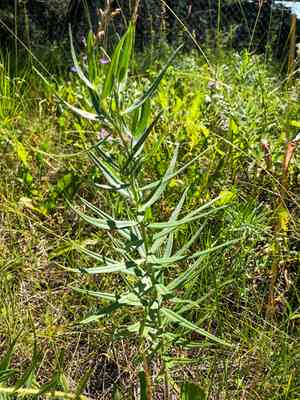
Western stoneseed (Lithospermum ruderale)
Also known as: White stoneseed
Western stoneseed is a member of the borage family with pale yellow flowers. This perennial herb is native to northwestern North America. In the Algonquian language, this plant is called “puccoon,” meaning a "plant that yields dye." A purple dye can be extracted from the western stoneseed’s roots.
In This Article
Attributes of Western stoneseed
Lifespan
Perennial
Plant Type
Herb
Plant Height
20 cm to 51 cm
Spread
30 cm
Leaf Color
Green
Flower Size
2.5 cm
Flower Color
Yellow Green
Images of Western stoneseed
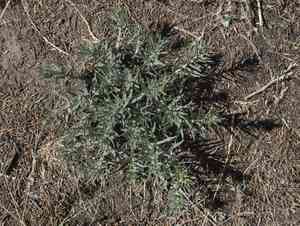
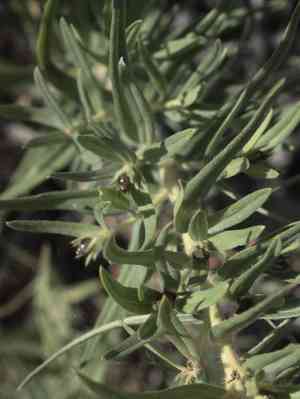
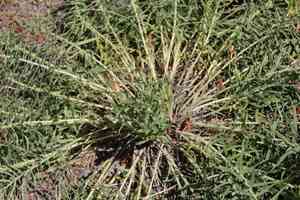
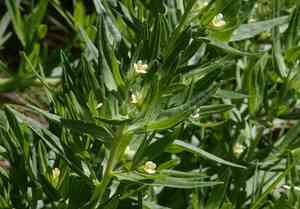
Quickly Identify Western stoneseed
1
Look for multiple branched stems growing from a woody base, covered in fine hairs. Leaves are linear to lanceolate and can appear somewhat hairy. The small, tubular flowers are yellow-green and grow in clusters.
Scientific Classification of Western stoneseed
Phylum
Vascular plants
Class
Dicotyledons
Order
Boraginales
Family
Borage
Genus
Gromwells
Species
Western stoneseed
Planting and Growing of Western stoneseed
Care Difficulty
Easy
Watering Schedule
Every 2 days
Sunlight Requirements
Full sun
Sunshine Duration
4-8 hours
Ideal Temperature
60-75℉
Soil Type
Potting Mix, Peat Mix
Soil pH
6.5-7.5
Fertilizer Type
Balanced
Pruning Season
Spring, Summer
Pruning Area
Branches, Leaves
Pruning Frequency
2 times a year
Repotting Season
Spring
Pot Type
Plastic, Ceramic
 How to Water Western stoneseed?
For Lithospermum ruderale, it's important to water thoroughly. Ensure the top few inches of soil are moist but not waterlogged. This encourages the roots to develop deeply, ensuring better drought resistance.
What are the symptoms of an underwatered Western stoneseed?
›
What should I do if my Western stoneseed is not getting enough water?
›
What are the symptoms of an overwatered Western stoneseed?
›
How to save an overwatered Western stoneseed?
›
 What Are the Sunlight Requirements for Western stoneseed?
Lithospermum ruderale's ideal light includes full sun to partial sun. Ideal lighting promotes lush foliage, optimal blooming, and enhances its natural resilience against pests and diseases.
More About Sunlight Requirements Techniques→
What is the ideal light exposure?
›
How can you ensure ideal lighting?
›
What benefits from ideal light conditions?
›
 What Is the Ideal Temperature Range for Western stoneseed?
The ideal temperature range for Lithospermum ruderale is between 60°F and 75°F. This range ensures optimal growth and physiological functions, promoting healthy foliage and a robust root system. Maintaining this temperature range maximizes photosynthesis and reduces plant stress.
 What Soil is Best for Western stoneseed?
Lithospermum ruderale thrives in well-drained soil, which ensures that excess water does not accumulate around the roots. This prevents root rot, promoting healthier root growth and helping the plant to thrive. While this plant is not overly demanding, it benefits from soil with moderate nutrient levels. It uses these nutrients to maintain vibrant foliage and robust growth, as well as to support its flowering phase. The plant prefers a gravelly soil texture, which mimics its natural habitat and allows for optimal aeration. This reduces compaction and improves root penetration, supporting overall plant health and resilience.
 How to Fertilize Western stoneseed?
Lithospermum ruderale benefits from balanced fertilization, ensuring the plant receives necessary nutrients without excess. Liquid fertilizers should be diluted to half the recommended strength, using about 10-15 ml per liter of water to avoid root burn.
 How to Prune Western stoneseed?
Use clean, sharp pruning shears to avoid crushing the stems. Clean tools help prevent the spread of diseases. Make sure your shears are properly sterilized, especially if you've previously trimmed diseased plants. Look for brown, withered branches that may indicate disease or dead wood. Remove any of these branches entirely to prevent disease spread and allow resources to be allocated to healthy parts of the plant. Trim back any overly long or legginess sections of the plant to encourage denser, bushier growth. Focus on the tips of the branches, as this is where new growth typically occurs. Cutting just above a leaf node can stimulate further development.
More About Pruning Techniques→
 How to Propagate Western stoneseed plant?
1
Begin by cleaning the seeds and soaking them in warm water for 24 hours. This softens the seed coat, ensuring better water absorption and faster germination rates once planted.
2
Select a healthy, mature stem and cut a section about 4-6 inches long. Remove the lower leaves to reduce transpiration, leaving a couple of leaves at the top for photosynthesis.
3
For seed propagation, plant the seeds in prepared trays using a seedling mix and gently cover them. For cuttings, dip the end in rooting hormone and plant in moist, well-draining soil.
 How to Repot Western stoneseed plant?
1
Identify the best time to repot Lithospermum ruderale by observing signs such as roots coming out of the drainage holes or soil compaction. These signals indicate that the plant has outgrown its current container and needs more space to thrive.
2
Select a container just one size larger than the current pot. This helps prevent over-watering by ensuring excess water can drain away. Choose a pot with drainage holes, which will help maintain the ideal moisture level and root health for Lithospermum ruderale.
3
Opt for a well-draining sandy soil to replicate the plant's natural rocky environment. This soil type will offer excellent drainage, prevent root rot, and provide a foundation rich in minerals essential for Lithospermum ruderale's growth.



