How to Prune Western stoneseed?
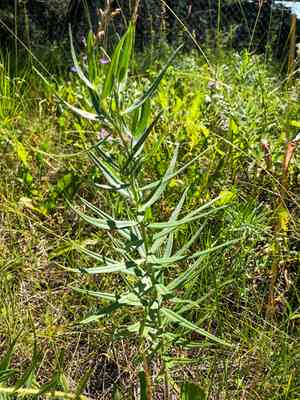
This resilient perennial, recognized for its tolerance to arid conditions and vibrant yellow blossoms, western stoneseed thrives with judicious trimming to sculpt its form and manage its expansion. In early spring, remove any deceased or excessively long stems to stimulate fresh development. Throughout the summer, deadhead faded flowers to boost blooming and deter self-propagation. Refrain from severe cutting to preserve the plant's vigor. Pruning enhances air circulation, diminishes the likelihood of illness, and revitalizes western stoneseed's development for a strong garden display.
Advantages of Trimming Western Stoneseed
Advantages of Trimming Western Stoneseed
Trimming western stoneseed promotes robust development and maintains its desired form. By carefully removing plant sections, it can redirect energy to healthier branches, boosting its overall vitality and shape.
Optimal Time for Trimming Western Stoneseed
Optimal Time for Trimming Western Stoneseed
Trimming or cutting western stoneseed in spring and early summer aligns with its active growth phase, typically starting after the last frost when it emerges from dormancy. This timing allows western stoneseed to quickly recover and continue its growth cycle without being weakened by pruning during its inactive state. Spring trimming also helps remove winter damage before new growth, improving the plant's overall health and look. Early summer trimming, after spring growth, can help shape western stoneseed and maintain a desired size or form. It also ensures that trimming doesn't interfere with flowering, as western stoneseed usually blooms from late summer to fall. Trimming during or immediately after flowering can reduce the plant's ability to produce seeds, which is important if seed propagation is desired. By following these seasons, gardeners can ensure the best care for western stoneseed's health and vigor.
Tools Required for Trimming Western Stoneseed
Hand Pruners
These are suitable for managing the size and shape of western stoneseed, as well as removing any dead or diseased stems. Their precision and ease of handling make them ideal for the relatively thin stems of this plant.
Pruning Shears
Western stoneseed may produce multiple stems and slender branches that can easily be trimmed with sharp pruning shears, allowing for quick and clean cuts without damaging the plant tissues.
Gloves
While handling western stoneseed, wearing gloves can protect the gardener's hands from cuts and abrasions and ensure a safer pruning experience.
How to Trim Western Stoneseed
Clean Tools
Before starting, ensure that all pruning tools are clean and sharpened to prevent the spread of disease to western stoneseed.
Inspect
Carefully inspect western stoneseed for diseased leaves, withered leaves, and diseased stems that require removal.
Cut Diseased Leaves
Using the pruning shears, systematically remove any diseased leaves by cutting them off at the base of the leaf stem, being careful not to damage adjacent healthy tissue.
Remove Withered Leaves
Gently trim off withered leaves from western stoneseed to promote healthy growth and improve air circulation, cutting close to the main stem without harming it.
Prune Diseased Stems
Identify and prune back diseased stems on western stoneseed to healthy tissue. Cut at a 45-degree angle just above a bud or lateral branch to encourage proper healing and new growth.
Common Trimming Errors with Western Stoneseed
Over-Pruning
Cutting back western stoneseed too severely can stress the plant, leading to poor growth or reduced flowering. It's crucial to avoid removing more than one-third of the plant's total foliage to maintain its health and vigor.
Improper Cut Location
Making cuts too far from a bud or node can result in dead stubs, whereas cutting too close can damage the bud itself. Prune just above a bud or node, ensuring clean cuts to promote proper healing.
Using Dull Tools
Dull pruning shears can crush stems and branches, causing damage to western stoneseed's tissue. Always use sharp, clean tools to make precise cuts that promote quicker recovery.
Ignoring Diseased Material
Failure to remove and dispose of diseased or dead material can leave western stoneseed susceptible to pests and further disease. Always check for and prune out any unhealthy parts of the plant.
Pruning In Wet Conditions
Pruning western stoneseed when it is wet can spread diseases. Wait for dry conditions before making cuts to reduce the risk of disease transmission.
General Trimming Advice for Western Stoneseed
Selective Pruning
Thin out western stoneseed by selectively removing crowded or crossing branches to improve air circulation and light penetration. This helps prevent disease and promotes a stronger, more robust plant.
Maintenance Pruning
Trimming or pinching back the growing tips of western stoneseed can encourage bushier growth and more blooms. Regularly removing spent flowers, known as deadheading, can also stimulate further flowering.
Clean Equipment
Prevent the spread of disease by cleaning pruning tools before and after use, ideally disinfecting them with alcohol or a bleach solution when moving between plants.
Gradual Renewal
For mature plants, stagger more intensive pruning over several years. This method avoids shocking western stoneseed, allowing it to recover and maintain a healthy structure without significant dieback.
Responsive Pruning
Monitor western stoneseed's growth and respond with light pruning as needed to shape the plant or direct its growth. This prevents overgrowth and helps maintain an attractive appearance.



