How to Transplant Lychee?
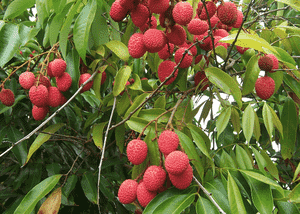
The ideal period for relocating lychee plants is late spring or the onset of summer's heat, capitalizing on robust development. Select a bright, protected location featuring superior drainage. Should it be necessary, gently acidify the substrate to encourage peak growth.
What Preparations are Needed Before Transplanting Lychee?
What is the Ideal Time for Transplanting Lychee?
Undertake lychee's relocation during the calm period of mid to late spring or as early summer commences. This timing aligns with lychee's growth cycle, promoting strong root development before the peak of hotter months. Choosing this season's mild weather aids lychee's adaptation, boosting its vitality and ensuring a successful move to its new home.
How Much Space Should You Leave Between Lychee Plants?
When planting lychee, ensure proper spacing for optimal development. An ideal distance is approximately 20-25 feet (6-7.6 meters) apart. This provides ample room for the plants to mature without overcrowding.
What is the Best Soil Mix for Lychee Transplanting?
For lychee, a well-draining soil enriched with organic matter is optimal. Incorporate a slow-release, balanced base fertilizer into the soil prior to planting to supply essential nutrients. If soil is clayey or sandy, consider adding compost to enhance its structure.
Where Should You Relocate Your Lychee?
Select a site that receives abundant sunlight, as lychee thrives in sun. However, it also requires protection from wind. Gently sloping ground facing south or southeast is perfect. Avoid shaded areas for best growth.
What Equipments Should You Prepare Before Transplantation Lychee?
Shovel or Spade
This tool is necessary for excavating the lychee plant from its original spot, as well as for preparing the new planting hole.
Gardening Gloves
To safeguard your hands while handling soil and the plant.
Wheelbarrow
This will assist you in moving the lychee plant and excess soil with less effort.
Watering Can or Hose
Required to irrigate the lychee plant both before and after transplantation.
Mulch
Helps to maintain soil moisture and inhibit weed growth around the lychee.
Pruning Shears
These can be utilized to trim off any damaged sections of the lychee plant before transplantation.
How Do You Remove Lychee from the Soil?
How Do You Remove Lychee from the Soil?
From Ground: If you are extracting a young lychee plant from the ground, water it first to moisten the soil, which facilitates removal. Dig a trench around the plant using the shovel, maintaining a generous distance to avoid harming the root system. Gently loosen the soil around the root ball until you can safely lift the plant out of the ground.From Pot: Water the lychee plant and allow the soil to absorb the moisture. Carefully invert the pot and tap it to release the plant, ensuring you do not pull the plant by its stem or foliage. If the plant is stuck, slide a knife around the inner edge of the pot to loosen it.From Seedling Tray: If lychee plant is in a seedling tray, loosen the soil around the base. Holding the base of the stem, gently lift the plant from its cell. Be careful not to damage the root system during the process.
Step-by-Step Guide for Transplanting Lychee
Preparation
Prepare the new planting site by digging a hole that is twice as wide and equally deep as the lychee plant's root ball. Place the excavated soil into the wheelbarrow.
Placement
Carefully position the lychee in the planting hole, ensuring the top of the root ball is level with the ground. Adjust the soil beneath the root ball if needed.
Backfilling
Refill the hole with the removed soil. While doing so, gently firm the soil around the base of the lychee to eliminate any air pockets.
Watering
Thoroughly water the lychee immediately after planting to help settle the soil.
Mulching
Apply a layer of mulch around the lychee, keeping it a few inches away from the stem to prevent rotting.
How Do You Care For Lychee After Transplanting?
Monitoring
Keep a close watch on the lychee plant, especially during the initial weeks. Check for indications of transplant shock, such as wilting or yellowing leaves. If this occurs, reduce sun exposure and ensure adequate watering.
Pruning
Trim any dead or dying foliage to encourage new growth. However, avoid extensive pruning right after transplanting to allow the plant to recover.
Watering
Consistently water the lychee but avoid overwatering. The soil should be moist but not waterlogged. Excessive water can lead to root rot.
Resist Fertilizing
Do not fertilize the lychee immediately after transplanting as it might stress the plant further. Wait for a few weeks to allow the plant to adapt to its new environment.
Troubleshooting Common Issues with Lychee Transplantation.
What is the perfect season for transplanting lychee?
The optimal period for transplanting lychee is between late spring and early autumn.
What is the ideal spacing when planting lychee?
Aim for a distance of approximately 20-25 feet (6.1-7.6 meters) between each plant to ensure optimal growth.
What type of soil is best suitable for transplanting lychee?
Lychee prefers well-drained soil that is rich in organic matter. A slightly acidic pH level would be ideal.
What precaution should I take while removing lychee from the current location?
Avoid disturbing the roots when removing lychee. Gently ease out the roots, keeping as much soil around them as possible.
What should I do if the leaves turn yellow after transplanting lychee?
Yellow leaves might indicate overwatering. Reduce watering, ensuring the soil is just moist to the touch.
How deep should I dig the hole for transplanting lychee?
The hole should be twice as wide and equally deep as the root ball, approximately 2-3 feet (0.6-0.9 meters).
How soon should I water lychee after transplantation?
You should water lychee immediately after transplanting, ensuring the soil around the roots is thoroughly moistened.
Why is lychee not fruiting after transplanting?
If lychee doesn't bear fruit as expected, it may be due to insufficient pollination, inadequate sunlight, or nutrient deficiency. Evaluate these factors and adjust accordingly.
When can I expect to see new growth after transplanting lychee?
Generally, it may take 3-4 weeks to observe new growth on lychee after transplanting. Be patient and maintain care.
How to handle lychee if it shows signs of transplant shock?
Transplant shock may cause wilting, browning leaves. Maintain consistent watering, consider using root stimulators, and reduce direct sunlight exposure. It usually recovers with time.



