How to Prune Lychee?
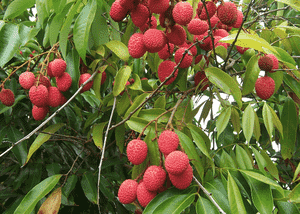
Lychee, a tropical evergreen known for its fragrant blossoms and palatable fruit, necessitates meticulous trimming to sustain its vitality and output. Essential methods involve reducing crowded branches and eliminating deceased or ailing wood to improve air movement and light exposure. The ideal period for pruning is early spring, following the harvest, to ready the plant for its subsequent growth phase. Particular attention should be paid to refraining from severe cuts to avert sun damage to the branches. The advantages of pruning encompass fostering robust development and increasing fruit production.
What Are the Benefits of Pruning Lychee?
What Are the Benefits of Pruning Lychee?
Trimming lychee encourages more robust, productive branches, potentially increasing harvest yields. Strategic cuts promote vigorous development by eliminating weak or overcrowded limbs. Furthermore, shaping maintains the tree's size and appearance, and can help prevent disease by improving air circulation within the canopy.
What Is the Best Time for Pruning Lychee?
What Is the Best Time for Pruning Lychee?
Pruning lychee from late winter to early spring allows for the removal of dead or overly dense branches before the new growth cycle begins. This timing helps ensure the plant's energy is directed towards producing healthy new growth and supports the upcoming flowering and fruiting periods. Pruning in this season also minimizes disease risk, as cuts heal faster when the plant enters its active growth phase.
What Tools Do I Need to Prune Lychee?
Hand pruners or secateurs
Perfect for making clean cuts on smaller branches of lychee, ensuring quick recovery.
Loppers
Ideal for cutting through thicker branches that hand pruners cannot manage, allowing for precise cuts without harming lychee.
Pruning saw
Essential for the occasional removal of large branches, enabling gardeners to carefully manage lychee's shape and size.
Pole pruner
Useful for reaching higher limbs that need trimming, ensuring the maintenance of lychee's canopy without using ladders.
Hedge shears
Can be used for shaping the outermost growth if a more refined appearance of lychee is desired.
Gloves
Crucial for protecting hands from cuts and scrapes during the pruning process of lychee.
Cleaning solution
For sanitizing tools to prevent the spread of disease between cuts on lychee, maintaining the plant's health.
How to Prune Lychee
Clean Tools
Sanitize all pruning equipment with a disinfectant solution to prevent the spread of diseases when trimming lychee.
Safety Gear
Wear protective gloves and safety glasses to guard against thorns and sharp branches while pruning lychee.
Remove Dead Branches
Identify and cut any dead branches at their base using sharpened pruning shears, making clean cuts to prevent damage to lychee's main structure.
Remove Diseased Branches
Inspect lychee for diseased branches, which may show discoloration or growths, and remove them by cutting at least several inches into healthy tissue to ensure all diseased portions are eliminated.
Discard Trimmed Material
Dispose of all removed dead and diseased material away from lychee to prevent any potential disease spread or reinfestation.
Common Pruning Mistakes with Lychee
Over-Pruning
Removing too much foliage at once can stress lychee, reducing its vigor and fruit production. Aim to prune no more than 25-30% of the canopy in a single season.
Improper Tool Use
Using dull or dirty pruning tools can lead to jagged cuts and introduce diseases to lychee. Always use clean, sharp tools to make clean cuts.
Topping
Cutting off the tops of the trees, a practice known as topping, can create structural issues and inhibit proper fruiting in lychee.
Neglecting Weak Branches
Failing to remove dead or weak branches can risk disease spread and potential injury from falling limbs.
Ignoring Natural Shape
Pruning without considering lychee's natural growth pattern can result in poor structure and may reduce fruit quality.
Common Pruning Tips for Lychee
Selective Thinning
Thin out the canopy of lychee to allow light penetration and air circulation, which are essential to promote healthy growth and fruiting.
Retain Fruiting Wood
Recognize and preserve the branches that will produce fruit. Lychee often fruits on the mature wood, so careful selection is necessary.
Prune For Structure
Focus on creating a strong, well-spaced framework of branches that can support fruit production and withstand weather conditions.
Encourage New Growth
Pruning can stimulate new growth which is beneficial for future fruiting. Make sure to balance between old and new growth.
Sanitation
Remove any diseased, broken, or dead branches promptly to maintain the health of lychee and prevent the spread of pathogens.



