Enhancing Your Garden Design with the Lychee Plant: A Landscaping Guide
1
Selecting an appropriate location for Lychee promotes optimal development and visual appeal.
2
Incorporating Lychee alongside other flora can produce impressive visual differences and balance.
3
Consistent upkeep and seasonal attention are crucial for Lychee's flourishing.
Introducing Lychee to Your Landscape
Appreciating Lychee's Visual Charm
Lychee's allure extends beyond its vibrant green leaves to the exotic look of its fruit. For elevating your garden's visual appeal, Lychee provides a tropical atmosphere, transforming an ordinary area into an inviting sanctuary. The lively, distinctive appearance of Lychee trees makes them an ideal focal point or complementary element in garden designs. From its flowing foliage to its uniquely textured bark, every part of Lychee adds a special touch to your outdoor space.
Overview of Lychee's Distinctive Traits
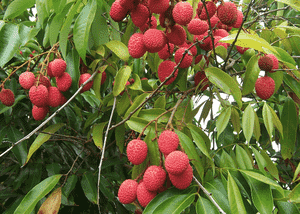
Recognized for its characteristic heart-shaped fruit, Lychee is an exceptional choice for gardeners. This plant showcases glossy evergreen leaves that maintain their beauty year-round, offering consistency to your landscape design. Lychee's fruits, encased in a rough, pink-red skin, reveal a juicy, flavorful interior that is as delightful to consume as it is to behold. With moderate growth patterns and a mature height suitable for most garden sizes, Lychee adapts well to various landscaping requirements.
Lychee's Growing Popularity in Contemporary Gardens
Recently, Lychee has gained significant favor among gardeners and landscapers. This rise in popularity can be attributed to its resilient nature, minimal upkeep demands, and the captivating presence it brings to gardens. As homeowners aim to create more organic and sustainable outdoor environments, Lychee stands out as an excellent option. Its ability to seamlessly integrate with modern, traditional, or eclectic garden styles has also boosted its appeal.
Selecting the Optimal Location for Lychee
Key Considerations for Ideal Placement
Choosing the perfect spot for Lychee in your garden is vital for its success. Evaluate factors such as proximity to other plants, potential obstructions, and the overall layout of your landscape. Consider how Lychee will interact with other elements throughout the year, including how sunlight moves across your garden. Ensuring ample room for root expansion and mature growth will help your Lychee flourish.
Lychee's Sunlight and Shade Needs
Lychee thrives with abundant sunlight, ideally six to eight hours of direct sun daily. However, it also benefits from some afternoon shade in particularly hot climates. Balancing full sun with partial shade can help prevent sunburn on fruit and leaves, promoting healthier, more productive development. Be sure to observe your garden's light patterns at various times of day to find the best location.
Soil Conditions and Drainage Requirements
Excellent soil drainage is essential for Lychee's well-being. The plant prefers well-draining soil rich in organic matter. Avoid areas with heavy clay soils or spots where water tends to accumulate, as Lychee is prone to root rot if left in standing water. Amending your soil with compost or organic material can enhance its structure and nutrient content.
Incorporating Lychee with Other Plants
Companion Plants That Thrive with Lychee
To achieve a balanced garden design, pair Lychee with plants that flourish under similar conditions. Fruit-bearing plants like mangoes, guavas, or citrus trees can complement Lychee effectively. Additionally, consider using ground covers, such as creeping thyme or clover, around the base of Lychee to enhance visual appeal and improve soil health.
Creating Visual Contrast with Color and Texture
Enhance your garden's aesthetic by integrating Lychee with plants that offer contrasting colors and textures. For instance, Lychee's lush greens look striking against the silver foliage of lavender or the vibrant hues of marigolds. Experiment with various plant combinations to discover the perfect balance that pleases your eye and suits your garden's theme.
Tips for Spacing and Grouping for Cohesion
When planting Lychee among other plants, ensure sufficient spacing to prevent overcrowding, which can lead to competition for resources. Proper spacing allows for better air circulation, reducing the risk of fungal diseases. Grouping plants with similar care requirements can simplify maintenance tasks and promote a unified look in your garden.
Seasonal Care and Maintenance Advice
Routine Upkeep Practices for Lychee
Caring for Lychee involves regular pruning to shape the plant and remove any dead or diseased branches. Mulching around the base helps retain moisture and regulate soil temperature. Monitor for pests and address any issues promptly with appropriate organic or chemical interventions if necessary.
Preparing Lychee for Different Seasons
Seasonal preparations are crucial for ensuring Lychee's long-term health. In spring, a balanced fertilizer can provide the nutrients needed for vigorous growth. During hotter months, ensure consistent watering to prevent drought stress. In colder climates, protect Lychee from frost damage with proper insulation or by moving potted plants indoors.
Addressing Common Issues Without Extensive Care
While Lychee is a resilient plant, it can sometimes encounter challenges like pest infestations or nutrient deficiencies. Yellowing leaves may indicate an iron deficiency, treatable with chelated iron supplements. Prevent and manage pests like aphids or mites with insecticidal soap or neem oil. Regular observation and timely actions can keep Lychee healthy without elaborate care routines.
Lasting Advantages of Lychee in Your Garden
Long-term Effects on Biodiversity and Ecosystem
Planting Lychee significantly boosts your garden's biodiversity. It attracts various pollinators, such as bees and butterflies, which are vital for maintaining ecological balance. The tree also provides habitat for beneficial insects and birds, enhancing the overall health and resilience of your garden ecosystem.
Contribution to Aesthetic Value Over Time
As Lychee matures, its aesthetic appeal only strengthens. The tree's evolving structure and abundant, lush foliage can create a stunning visual anchor in your landscape. The seasonal changes, from flowering to fruiting, offer dynamic beauty that captivates throughout the year.
Increasing Property Value with Mature Lychee
Mature Lychee plants can be a valuable asset to your property, potentially increasing its market value. A well-maintained Lychee tree adds a sense of established elegance and can be a desirable feature for prospective buyers. Investing in Lychee not only enhances your garden today but also adds long-term economic value.



