How to Propagate Lychee?
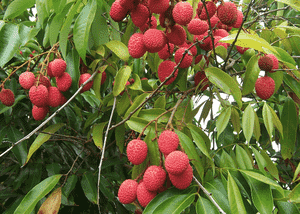
The lychee, a tropical fruit-bearing tree, is prized for its delectable, aromatic produce. Its propagation commonly entails grafting, a method that guarantees uniform fruit characteristics. To achieve successful grafting, it is essential to choose vigorous scion materialâa thriving branch tipâand disease-resistant rootstock. The incision for grafting must be neat and accurate to facilitate a strong bond and prevent the introduction of diseases. Once the graft has fused, providing the lychee with proper attention, such as irrigation, nutrient supply, and pest control, is crucial for fostering a sturdy and high-yielding tree.
When Is the Optimal Time to Propagate Lychee?
Propagation Method
Grafting
Propagation Period
Spring,Winter
What Implements Are Utilized in Lychee Propagation?
Grafting Knife
A grafting knife is crucial for making accurate incisions on the scion and rootstock of lychee. Its keen, slender blade ensures clean cuts, minimizing harm and boosting the likelihood of a successful graft union. This instrument is especially advantageous due to the precision needed when handling the tender tissues of lychee.
Grafting Tape
This pliable tape is employed to firmly secure the graft junction of lychee, maintaining the alignment of the scion to the rootstock during the healing phase. It offers a moisture barrier, vital for preventing dehydration at the graft site and fostering successful tissue fusion.
Rooting Hormone
Though primarily used for grafting, a rooting hormone can improve the development and growth of the scion's tissues in lychee. By applying it to the cut end of the scion, it encourages faster tissue healing and integration, significantly increasing the graft's success rate.
Pruning Shears
Used for preparing the rootstock of lychee prior to grafting, these shears create clean and sharp cuts, essential for proper graft alignment and fusion. Their precision and ability to produce smooth cuts reduce the potential for disease and enhance graft success.
Sterilizing Solution
Important for sanitizing all tools before and after use to prevent the spread of diseases in lychee. Proper sterilization ensures that the cuts made during grafting are clean and free from pathogens, which is crucial for the overall health and viability of lychee during and after the propagation process.
How to Propagate Lychee?
Propagation Type
Moderately Difficult
How to Nurture Your Newly Propagated Lychee?
How to Nurture Your Newly Propagated Lychee?
Once the graft has successfully taken and new growth is apparent, move the lychee plant to conditions resembling its natural environment. Lychee prefers well-draining, slightly acidic soil, and full sun exposure. Water the plant consistently to maintain soil moisture without waterlogging. Implement a balanced fertilizer regimen during the growing season. Prune lychee to maintain its structure and encourage fruit production, ensuring the plant receives ample airflow and sunlight penetration throughout its canopy.
Common Errors to Avoid When Propagating Lychee
Overwatering cuttings
Excessive moisture can lead to decay, particularly during the delicate stage of root development, creating an environment prone to fungal infections.
Improper cuttings selection
Utilizing non-viable or diseased parts of lychee for propagation will likely result in poor or no root development.
Neglecting hygiene
Tools and containers must be disinfected before use to prevent the transmission of disease to the propagating lychee.
Ignoring humidity requirements
Failure to provide a high-humidity environment for lychee's cuttings can lead to desiccation and inadequate root formation.
Overlooking potting medium
Using an unsuitable substrate that doesn't provide sufficient drainage and aeration can impede the rooting process of lychee.
Advice For Propagating Lychee
Optimal cutting selection
Select healthy, disease-free semi-hardwood sections from lychee that are approximately 4-6 inches in length with at least three sets of leaves.
Rooting hormones application
Dip the base of lychee's cuttings in a rooting hormone to stimulate root growth and enhance the chances of successful propagation.
Adequate watering
Maintain consistently moist but not waterlogged soil to support the initial stages of lychee's root development without causing root rot.
Humidity control
Enclose the cuttings of lychee in a plastic bag or use a humidity dome to retain moisture and create a mini-greenhouse effect.
Proper medium preparation
Employ a sterile, well-draining potting mix to support the health and growth of lychee's cuttings.



