How to Transplant Life plant?
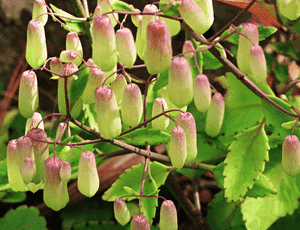
For best results, relocate the life plant from early summer through late summer, or from late autumn to mid-winter, since these periods provide moderate temperatures and ideal growth environments. Choose a spot featuring soil that drains effectively and receives partial sun exposure. Carefully loosen the root mass prior to moving the plant to ensure a smooth adjustment.
What Preparations are Needed Before Transplanting Life Plant?
What is the Ideal Time for Transplanting Life Plant?
The optimal time for relocating life plant is during the bright days of early to late summer, or from late autumn through the chilly mid-winter. This timeframe provides a balanced setting, promoting better root development and successful establishment. Moving life plant during this period guarantees it will absorb enough nutrients and water, building a strong base for its impressive blooms in the subsequent season.
How Much Space Should You Leave Between Life Plant Plants?
When moving life plant, ensure they are spaced approximately 6-8 inches (15-20 cm) apart. This will provide ample room for growth and prevent competition for resources.
What is the Best Soil Mix for Life Plant Transplanting?
For life plant, select a soil that drains well, enriched with organic matter and compost. Incorporate a balanced, slow-release fertilizer before transplanting to supply essential nutrients for robust development.
Where Should You Relocate Your Life Plant?
Choose a spot for your life plant that receives bright, indirect sunlight, as excessive sun exposure can cause leaf scorching. An area with partial shade or filtered light is perfect for these plants.
What Equipments Should You Prepare Before Transplantation Life Plant?
Gardening Gloves
To safeguard your hands while handling soil and the life plant plant.
Shovel or Spade
For excavating holes and trenches, and for lifting the plant's root ball.
Trowel
For more precise work around the root ball and the new planting hole.
Watering Can or Hose
To hydrate the plant both prior to and following its relocation.
Compost or Organic Matter
To enrich the soil and supply nutrients for the life plant plant.
Mulch
To aid in retaining soil moisture and keeping roots cool.
Garden Stakes or Supports (if necessary)
To offer stability for tall or sprawling life plant plants.
How Do You Remove Life Plant from the Soil?
How Do You Remove Life Plant from the Soil?
From Ground: First, moisten the life plant plant's soil. Then, dig a wide trench around the plant using a shovel or spade, ensuring the plant's root ball remains intact. Carefully work the spade beneath the root ball to lift the plant from its original spot.From Pot: Water the life plant plant thoroughly, allowing it to drain for a few minutes. Gently lay the pot on its side, tapping or pushing the pot's sides to loosen the root ball. Carefully slide the plant and root ball out of the pot, trying to avoid root damage.From Seedling Tray: Dampen the soil surrounding the life plant seedling. Using a spoon or your fingers, gently scoop or lift the seedling from the tray, taking care not to harm the delicate roots and stems.
Step-by-Step Guide for Transplanting Life Plant
Root Trimming
Inspect the roots of the life plant plant. Trim any damaged, diseased, or overly long roots with clean pruning shears.
Hole Preparation
Dig a hole at the new site large enough to accommodate the life plant's root ball, with a depth equal to the root ball's height.
Soil Amendment
Enrich the excavated soil with compost or organic matter, mixing thoroughly. Backfill the hole with this improved soil, forming a mound in the center.
Plant Placement
Position the life plant plant on the soil mound, spreading the roots evenly around it. Ensure the top of the root ball is level with the surrounding ground.
Backfilling
Fill the hole around the root ball with the amended soil, gently firming it around the base of the life plant to remove air pockets.
Watering
Water the life plant thoroughly, allowing the water to fully saturate the root ball and surrounding soil. This helps settle the soil around the roots.
Mulching
Apply a layer of mulch around the base of the life plant, leaving a small gap between the mulch and the stem to prevent the risk of rot or disease.
How Do You Care For Life Plant After Transplanting?
Watering
Keep the soil around the life plant consistently moist, but not waterlogged, for the initial few weeks after transplanting to aid in establishing strong roots. Gradually shift to the normal watering schedule for life plant as the plant becomes settled.
Fertilizing
Wait at least 3-4 weeks post-transplant before applying any fertilizer, as the roots are susceptible to burning during this delicate period.
Pruning
Remove any dead, damaged, or diseased stems and leaves from the life plant to encourage healthy growth and prevent disease spread.
Support
Provide stakes or supports for tall or sprawling life plant plants as they develop. Secure the plant loosely enough to allow for growth, but firmly enough to offer stability.
Pest Control
Monitor the life plant for indications of pests, such as chewed leaves or damaged stems, and treat appropriately with suitable pest control methods.
Troubleshooting Common Issues with Life Plant Transplantation.
When is the best time to transplant life plant in the year?
You should plan to move life plant between the peak of summer and early winter or from the end of fall to the core of winter.
What's the right space for planting multiple life plant plants?
Ensure you leave approximately a 6-8 inch (15-20 cm) gap between each life plant planted. This provides adequate space for healthy development.
How to prepare the new site before transplanting life plant?
Confirm that the new planting location has fertile, well-drained soil. Dig a hole that is twice the width of life plant's root ball, and of equal depth.
What should I do if life plant looks withered after transplanting?
Water life plant thoroughly after transplanting, as this helps it recover from the shock. Ensure proper sunlight and nutrient-rich soil.
Why does life plant have yellow leaves after being transplanted?
Life plant might be experiencing stress due to a sudden change in environment. Check if you are over-watering or under-watering the plant. Adjustments in care will help restore its vitality.
Can I transplant life plant in a container?
Absolutely! Just ensure the container is appropriately sized for life plant. It needs to be large enough to accommodate the plant's root expansion.
How to water life plant after transplantation?
Water life plant generously immediately after transplantation. Subsequently, keep the soil consistently moist but never waterlogged to prevent root rot.
What is the ideal soil type for life plant transplantation?
Life plant thrives in well-drained, fertile soil. A mixture of organic compost with coarse sand or perlite works wonders for life plant's growth.
What do I do if life plant is not thriving after transplantation?
Check for sufficient sunlight, soil nutrients, and watering. Too much or too little of any can hinder growth. Adjust care as necessary.
How frequently should I water life plant after transplanting it?
The key is to maintain soil moisture until the life plant plant establishes itself. Ensure the soil does not completely dry out or become overly saturated.



