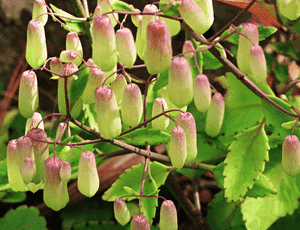
The Hidden Danger in Your Home? Unmasking the Toxicity of the Life plant Plant.
1
The life plant poses a slight toxicity hazard to cats, potentially leading to digestive issues or altered behavior.
2
Every component of the life plant is poisonous to canines, inducing signs such as emesis, loose stools, or sluggishness.
3
Prompt veterinary attention is vital if animals consume any portion of the life plant to safeguard their health.
Is Life plant toxic to cat?
Life plant presents a slight toxicity hazard to cats. Intoxication usually happens when cats eat large quantities of the plant, impacting all components like foliage, stalks, and blooms. Cats exposed to life plant might show general signs of distress, such as digestive upset or shifts in behavior. Pet parents should stay alert for any negative responses in their animals, especially if they can reach life plant. If poisoning is suspected, prompt veterinary attention is vital to safeguard the affected cat's health.
Is Life plant toxic to dog?
Life plant presents a minor toxicity danger to dogs. Dogs can experience poisoning from this plant if they ingest it in substantial quantities. Every part of the life plant is deemed toxic and could potentially cause negative effects in dogs. Should a dog consume any portion of the life plant, they might display signs like throwing up, loose stools, or sluggishness. It's essential for dog guardians to closely observe their pets and restrict access to life plant to avert any poisoning risk. If a dog does consume life plant, it's critical to get immediate veterinary help for appropriate treatment and symptom management.



