How to Propagate Life plant?
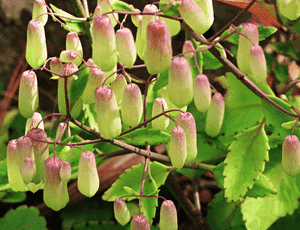
The Life plant, also referred to as Cathedral Bells, is most effectively multiplied via stem sections or by relocating leaf buds in the spring, summer, or fall. This propagation method is quite straightforward, and the emergence of fresh shoots indicates successful establishment. Throughout this procedure, guarantee adequate moisture and moderate illumination.
When Is the Optimal Time to Propagate Life Plant?
Propagation Method
BudsOnTheLeaf
Propagation Period
Spring,Summer
What Implements Are Utilized in Life Plant Propagation?
Sanitized Cutting Tool
A sharp, sterilized cutting instrument, such as pruning shears or a blade, is essential for taking cuttings from life plant. Proper hygiene prevents disease spread, and a clean cut promotes quick healing and root formation.
Rooting Stimulant
While life plant can often root without aid, rooting hormone can encourage faster and more consistent root development. The hormone should be applied to the cut end of the bud prior to planting, boosting rooting success and plant establishment.
Tray or Receptacle
Shallow trays or small containers filled with an appropriate growing medium offer an ideal setting for rooting the bud cuttings of life plant. They accommodate multiple cuttings, allow for good drainage, and simplify transplanting once rooting occurs.
Sterile Growing Substrate
A sterile, well-draining substrate, such as perlite, vermiculite, or a seed-starting blend, is indispensable. It minimizes the risk of soil-borne pathogens affecting the delicate cuttings and provides the necessary aeration and moisture retention for life plant's root development.
Plastic Covering or Humidity Dome
Maintaining a high humidity environment is advantageous for cutting propagation. A plastic cover or humidity dome over the container retains moisture and warmth, creating a greenhouse effect that can enhance the rooting process for life plant.
Watering Apparatus
A gentle watering device, such as a misting bottle or a watering can with a fine rose attachment, is necessary to maintain consistent moisture without dislodging cuttings of life plant. Gentle, regular misting helps prevent desiccation during the critical rooting phase.
How to Care for Your Recently Propagated Life Plant?
How to Care for Your Recently Propagated Life Plant?
Following propagation, gradually acclimate the young life plant to its permanent spot. Ensure it receives bright, indirect sunlight, and water when the topsoil feels dry to the touch. Avoid overwatering to prevent root rot. Fertilize lightly every 4-6 weeks during the growing season with a balanced, water-soluble fertilizer. Repot when the plant becomes root-bound or its growth begins to slow.
Common Errors to Avoid When Propagating Life Plant
Excessive Watering
When propagating life plant, too much water can lead to root rot and fungal diseases. Over-moisture deprives roots of essential oxygen, hindering growth.
Deep Planting
Inserting the leaves of life plant too deeply into the soil during leaf propagation can cause the buried parts to decay before they can root.
Ignoring Leaf Orientation
For life plant, placing the propagation leaf upside-down or sideways can confuse the plant's natural orientation, impeding root and shoot development.
Using Diseased Leaves
If leaves used for propagating life plant show any signs of disease or damage, they are less likely to develop roots and may spread diseases to new plants.
Lack of Humidity
Life plant cuttings require a certain level of humidity to root effectively. An overly dry environment can cause the cuttings to wilt before rooting.
Advice For Propagating Life Plant
Correct Medium
Choose a light, well-draining potting mix for life plant propagation. A mix that holds too much water can harm delicate new roots.
Leaf Placement
Lay the leaf of life plant flat on the soil surface and gently press it down to make contact, rather than burying it, to encourage rooting.
Proper Hydration
Ensure life plant cuttings are kept moist but not waterlogged. Mist regularly to maintain the right level of humidity without overwatering.
Bright, Indirect Light
Provide life plant with bright, indirect light to support growth. Direct sunlight may scorch young plants, while too little light can weaken them.
Genetic Vigor
For optimal results, select healthy, robust leaves from a mature life plant plant. Vigorous parent plants are more likely to yield successful propagates.



