How Much Sunlight Do Life plant Need?
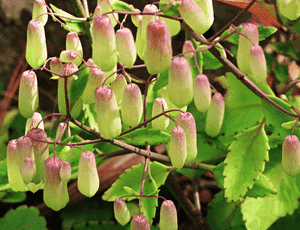
1
The Life plant flourishes in direct sunlight, though it can manage with some partial shade.
2
Excessive solar exposure may result in scorch marks on Life plant's foliage.
3
A lack of adequate light can cause the Life plant to develop elongated and feeble stems.
Deciphering Life Plant Illumination Needs
Optimal Light Exposure for Life Plant
The Life plant thrives in settings where it receives unfiltered sunlight for at least six hours daily. Practically, position your Life plant to absorb morning and early afternoon rays. Abundant direct light is vital for fostering robust, healthy development and vibrant foliage. Nonetheless, this plant also displays considerable adaptability, enduring partial sun if full sun exposure isn't feasible in your home environment.
Native Environment's Impact on Light Requirements
Life plant originates from tropical and subtropical areas, where it flourishes in environments with ample sunlight. This natural origin clarifies why Life plant prospers with plentiful illumination. Replicating these conditions indoors will guarantee the plant obtains the energy necessary for photosynthesis and peak vitality. Placing the plant near a south-facing window can help emulate these circumstances.
Unfiltered vs. Filtered Light: Which is Superior?
Life plant performs best in direct sunlight, meaning it should be placed where it gets unobstructed light for many hours. However, if solar rays are overly intense, particularly during peak summer afternoons, bright indirect light can also be effective. Protective measures like sheer drapes can help mitigate excessively harsh light, tempering exposure without hindering the plant's light absorption.
Consequences of Excessive Sun Exposure for Life Plant
Indicators of Sunlight Overexposure
While Life plant benefits from sunlight, too much direct exposure can lead to leaf scorching. Symptoms of overexposure include browning, wilting edges, and dry, brittle leaves. If these signs appear, it indicates the plant requires some shelter from intense solar radiation. Moving the plant to an area with indirect light during peak sun hours can alleviate these effects.
Prevention and Treatment of Life Plant Sunburn
To prevent sunburn on your Life plant, gradually acclimate it to higher light intensities, especially if it was previously in a shaded spot. If sunburn symptoms emerge, promptly reduce direct sun exposure. Trim any damaged foliage to stimulate new growth and relocate the plant to a position with filtered sunlight. Maintaining good hydration can also assist its recovery from sunburn stress.
Consequences of Insufficient Sun Exposure for Life Plant
Signs of Inadequate Sunlight
When deprived of sufficient sunlight, Life plant displays several distress signals. The most prevalent symptom is etiolation, where stems become elongated and weak as they stretch toward any available light. Furthermore, leaves might appear smaller, and the plant's overall growth rate will diminish. Ensure your Life plant receives enough light to sustain its health and vibrancy.
Adjusting Light Exposure for Optimal Development
If your Life plant exhibits symptoms of insufficient light, progressively move it to a brighter location. Position it closer to a window that receives ample sunlight, ideally for six hours or more daily. You can also regularly rotate the plant to ensure all sides get equal light exposure, promoting uniform growth and preventing etiolation.
Strategies for Managing Life Plant Indoor Lighting
Selecting the Appropriate Indoor Location
Choosing the ideal indoor spot for your Life plant involves balancing abundant sunlight with protection from extreme conditions. South or east-facing windows typically offer the best light conditions. Avoid placing the plant too near windows where the glass can intensify the sun's rays, especially during hot summer months.
Supplementing Natural Light with Artificial Illumination
During seasons with reduced daylight or in homes with limited natural light, it's advantageous to supplement with artificial illumination. Full-spectrum grow lights can supply the necessary light spectrum for your Life plant. Position the grow lights approximately 30 cm (12 inches) above the plant and leave them on for 12-14 hours daily to mimic natural daylight. This will ensure your plant continues to flourish even in suboptimal lighting conditions.



