Optimal Soil for Growing Life plant: What You Need to Know
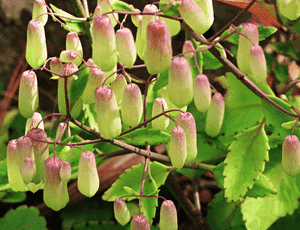
1
Life plant flourishes optimally in earth that drains well and is somewhat acidic to neutral, within a pH range of 6 to 7.5.
2
Consistent soil testing can assist in preserving the perfect environment for your Life plant's development.
3
Appropriate mulching aids in moisture retention and inhibits weed proliferation around your Life plant.
What are the Ideal Soil Conditions for Life plant?
Soil Composition
The ground material for the Life plant, also known as Kalanchoe pinnata, is vital for its development and vitality. This species prefers a substrate that drains efficiently. An optimal mix typically includes potting soil combined with perlite or coarse sand to create an ideal habitat. The potting soil supplies essential nutrients, while perlite enhances drainage and prevents oversaturation. This balance ensures proper root aeration and avoids excessive moisture retention.
pH Levels
The Life plant thrives best in soil with a pH ranging from slightly acidic to neutral, between 6 and 7.5. This specific pH range enables the plant to efficiently absorb nutrients from the substrate. You can easily determine soil pH using home testing kits found online or at garden centers. If the soil is too acidic, adding lime can increase the pH. Conversely, if it's too alkaline, sulfur can help reduce it.
Drainage Requirements
Sufficient drainage is critical for the Life plant. This succulent is highly vulnerable to root rot if left in waterlogged soil for prolonged periods. To enhance drainage, ensure your container or planting site has holes for excess water to escape. Additionally, consider placing a layer of gravel at the base of your pot to further aid drainage. This setup promotes robust root growth by preventing standing water.
How to Prepare Soil for Life plant
Mixing the Right Soil
When preparing the substrate for your Life plant, aim for a blend that promotes excellent drainage and air circulation. A typical formula involves equal parts potting mix, coarse sand, and perlite. This combination strikes a good balance between retaining necessary moisture and allowing surplus water to drain away, preventing waterlogging of the roots. Ensure these components are thoroughly mixed before planting your Life plant for even distribution.
Sterilizing the Soil
Sanitizing the growing medium before planting your Life plant can prevent potential diseases and pests. You can sterilize small quantities of soil by baking it in an oven at 180°F (82°C) for 30 minutes. Alternatively, for larger amounts, use a microwave-safe container and heat the soil for approximately 90 seconds per kilogram (2 pounds). This procedure eliminates pathogens and weed seeds, providing a healthier start for your Life plant.
Can Life plant Grow in Different Soil Types?
Clay Soil
Cultivating a Life plant in clay soil can be difficult due to its poor drainage. Clay soils tend to hold water, potentially leading to root rot. However, you can improve clay soil by blending it with organic matter such as compost and adding perlite or grit. This modification can enhance aeration and drainage, making it more suitable for the Life plant. Regularly checking soil moisture levels will ensure the plant isn't sitting in overly wet conditions.
Sandy Soil
Sandy soil typically drains well and can be a good option for the Life plant if properly modified. Because sandy soil tends to drain rapidly, it can sometimes lack sufficient nutrients and moisture retention. Incorporating organic matter like compost or aged manure can enrich the soil and improve its capacity to hold water. This adjustment helps create a balanced environment where your Life plant can flourish.
Loamy Soil
Loamy soil is often considered optimal for many plants, including the Life plant. This type of soil is a balanced mixture of sand, silt, and clay, providing excellent drainage, nutrient availability, and aeration. If you have loamy soil, you're fortunate—the Life plant can grow exceptionally well in this environment. For peak growth, occasional additions of organic matter can further boost the soil's fertility.
Common Soil-related Issues for Life plant
Poor Drainage
Insufficient drainage is a frequent issue that can impede your Life plant's growth. Excess water in the soil can cause root rot, a serious condition that can ultimately be fatal to the plant. To avoid this, ensure your soil mixture promotes good drainage and that your pots have drainage openings. If you observe water collecting or the soil remaining saturated for extended periods, you may need to amend the soil or improve container drainage.
Soil Compaction
Soil compression restricts root development and can significantly impact your Life plant's vitality. Compacted soil hinders air and water movement through the substrate, leading to stunted growth. To alleviate soil compaction, regularly aerate your soil by gently cultivating or using appropriate tools. Adding organic matter like compost can also enhance soil structure and reduce compaction.
Nutrient Deficiency
A lack of nutrients is another soil-related problem that can affect your Life plant. Yellowing foliage or stunted development may signal a scarcity of essential nutrients such as nitrogen, phosphorus, or potassium. Consistently feeding your plant with a balanced fertilizer designed for succulents can correct nutrient deficiencies. Additionally, blending well-composted organic matter into the soil can provide a steady supply of nutrients.
Tips for Maintaining Optimal Soil for Life plant
Regular Soil Testing
Consistent soil analysis is invaluable for sustaining the ideal environment for your Life plant. These tests can reveal insights into pH levels, nutrient content, and overall soil health. By conducting soil tests periodically, you can make informed decisions regarding amendments and fertilization schedules, ensuring your plant always has the best growing conditions.
Amending Soil When Necessary
Modifying the soil as needed is crucial for preserving your Life plant's health. Based on test results, you might need to add organic matter, lime, sulfur, or specific fertilizers to correct imbalances. For example, adding compost can improve soil fertility and structure, while lime can increase pH levels. Being proactive with soil amendments can prevent many potential issues.
Proper Mulching
Appropriate mulching is another excellent method for maintaining soil health for your Life plant. Mulch helps retain moisture, suppress weeds, and regulate soil temperature. However, avoid piling mulch directly against the plant's stem, as this can lead to rot. A 2-3 inch (5-7.5 cm) layer of organic mulch, such as wood chips or straw, is ideal for achieving these benefits without causing harm.



