How to Transplant Coral plant?
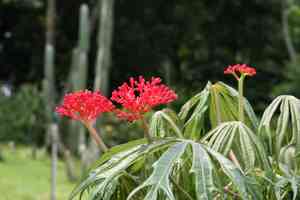
The peak of the warm season offers the most favorable period for transplanting coral plant, capitalizing on its robust development. Choose a bright, adequately draining spot. Verify that the root system is well-formed during relocation to facilitate a smooth adjustment and recuperation.
What Preparations are Needed Before Transplanting Coral Plant?
What is the Ideal Time for Transplanting Coral Plant?
The prime period to move coral plant is during the warm embrace of summer, offering an optimal environment for growth. Relocating coral plant at this time ensures strong root establishment, utilizing the long, sunny days to maximize development and recovery. A helpful tip: undertaking this gardening task as the summer solstice approaches promises a thriving beginning for coral plant, thanks to ample warmth and light. So prepare yourself and get your gardening gloves ready for the summer transplant - coral plant will reward you with vigorous growth!
How Much Space Should You Leave Between Coral Plant Plants?
Begin by providing your coral plant ample room to expand. Position each plant roughly 3-5 feet (90-150 cm) apart. This allows for sufficient air circulation and will aid your plants in flourishing.
What is the Best Soil Mix for Coral Plant Transplanting?
For optimal outcomes, utilize a well-draining soil blend rich in organic matter. Before planting your coral plant, prepare a foundational fertilizer comprising aged manure or compost. This enhances soil nutrients and encourages robust development.
Where Should You Relocate Your Coral Plant?
Ensure a sunny location for your coral plant; it thrives in sunlight. A spot receiving direct sun for at least six hours daily will be perfect. If you reside in an area with intense afternoon sun, a bit of afternoon shade would suit this plant.
What Equipments Should You Prepare Before Transplantation Coral Plant?
Gardening Gloves
Shield your hands while tending to the soil and coral plant.
Shovel or Spade
For excavating a hole to accommodate the root structure of the coral plant.
Watering Can
For hydrating the coral plant prior to, during, and following the transplant.
Pruning Shears
To trim any damaged or diseased branches or foliage from the coral plant.
Trowel
For lifting smaller coral plant specimens if they are in a pot or seedling tray.
Gardening Fork
To gently loosen the root ball if it is compacted.
Wheelbarrow
For conveying the coral plant and any necessary soil amendments to the new planting site.
How Do You Remove Coral Plant from the Soil?
How Do You Remove Coral Plant from the Soil?
From Ground: Start by watering the coral plant a few hours beforehand to make the soil easier to manage. Carefully dig around the root system using your shovel or spade, taking care not to harm any roots. Once you've created a sufficiently wide digging circle, gently work the tool beneath the root ball and lift the plant out.From a Pot: Water the coral plant, then turn the pot on its side. Gently tap the edges to loosen the root ball and slide the plant out. Minimize contact with the root system to prevent damage.From a Seedling Tray: Water the seedlings thoroughly, then use your trowel to carefully scoop out each coral plant seedling, ensuring to include as much of its root system as possible.
Step-by-Step Guide for Transplanting Coral Plant
Preparation
Prepare your chosen transplanting location by digging a hole that is twice as wide and slightly deeper than the existing root ball of the coral plant.
Transfer
Lift the coral plant with care, preserving the root ball's integrity, and place it into the hole. The root crown of the coral plant should be level with or slightly above the surrounding soil.
Backfill
Gently refill the hole, firming the soil around the coral plant as you proceed. Be cautious not to over-compact the soil, as this can hinder water absorption and root growth.
Watering
Water the coral plant thoroughly to settle the soil and assist the plant in recovering from the shock of transplanting.
Inspection
Closely monitor your newly transplanted coral plant for the next few weeks, ensuring it shows no signs of stress such as leaf wilting or discoloration.
How Do You Care For Coral Plant After Transplanting?
Watering
Keep the soil around the coral plant consistently moist, but not excessively wet for the initial few weeks to encourage a robust root system.
Inspect
Regularly examine your coral plant, looking for indications of disease or pests. Early detection and treatment will ensure your plant's survival.
Pruning
Trim any dead or dying leaves, as this allows the coral plant to direct its energy towards producing new growth.
Mulching
Apply a layer of mulch around the base of the coral plant to help maintain soil moisture and regulate soil temperature, but avoid touching the stem to prevent rot.
Avoid Moving
Try not to move or disturb the coral plant unnecessarily once transplanted. This allows the plant to acclimate to its new location and focus its energy on root development.
Fertilizing
Delay fertilization until you observe new growth on the coral plant, indicating it has recovered from transplant shock.
Troubleshooting Common Issues with Coral Plant Transplantation.
When is the best time to transplant coral plant?
The optimal period to move coral plant to a new spot is during its dormant phase, typically occurring between seasons 4 and 6.
What's the ideal spacing for coral plant when transplanting?
Ensure to provide coral plant ample room to grow. The plants should be uniformly spaced, ideally 3-5 feet (91-152 cm) apart.
Why are my transplanted coral plant leaves turning yellow?
Yellowing often signals transplant shock. Ensure it receives the correct amount of water. Too much or too little can cause harm.
Is it normal for the coral plant to wilt after transplanting?
Yes, minor wilting can occur due to transplant shock. Keep the soil moist, and the plant should recover within a week or two.
Do I need to prune the coral plant before transplanting?
Pruning isn't strictly necessary but can lessen stress for the plant. Simply trim back about a third of the plant's branches.
What kind of soil is most suitable for coral plant?
Coral plant prefers well-drained soil. A mix of loamy or sandy soil would be excellent. It dislikes dense, clayey soil.
How deep should I dig the hole for transplanting coral plant?
Dig a hole as deep as the root ball of the coral plant and approximately twice as wide. This provides roots ample space to spread.
How should I care for coral plant after transplanting?
Keep the soil consistently moist but avoid over-watering. Protect the plant from strong winds and do not fertilize until fully established.
Is full sun exposure necessary for the coral plant after transplanting?
Coral plant can tolerate full sun but also handles partial shade. However, more sun typically means more flowers on this lovely perennial.
How soon can I expect growth after transplanting coral plant?
Coral plant will require time to adjust to its new location. Be patient, and within 3-6 weeks, new growth should begin to emerge.



