How to Prune Coral plant?
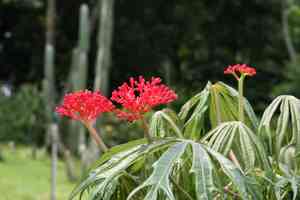
Celebrated for its vibrant, coral-like crimson blossoms and deeply incised foliage, coral plant necessitates consistent trimming to preserve its form and foster a sturdy framework. This horticultural practice should occur in the colder months to lessen strain and stimulate energetic spring development. Essential methods involve excising lifeless or frail stalks, thinning congested limbs to boost light access and air circulation, and sculpting to achieve a symmetrical look. Meticulous pruning aids coral plant by lowering the chance of illness and elevating its aesthetic appeal. Always sanitize implements to avert the dissemination of pathogens.
What Are the Benefits of Pruning Coral Plant?
What Are the Benefits of Pruning Coral Plant?
Trimming coral plant encourages robust development and preserves its decorative form. This action redirects energy to healthy limbs, boosting vigor and shape.
What Is the Best Time for Pruning Coral Plant?
What Is the Best Time for Pruning Coral Plant?
Pruning in late winter aligns with coral plant's dormant period, minimizing plant stress and reducing disease risk through cuts. This timing prepares coral plant for strong spring growth by removing dead or damaged branches, enhancing its overall health and strength. Additionally, as coral plant typically flowers or produces new growth in spring, late winter pruning helps shape the plant and directs energy toward healthy blooms and foliage.
What Tools Do I Need to Prune Coral Plant?
Hand Pruners
Perfect for making precise cuts on coral plant's smaller, delicate branches, offering control and clean cuts vital for the plant's well-being.
Loppers
Suitable for thicker coral plant branches that hand pruners can't manage, typically up to 1.5 inches in diameter. Their longer handles provide leverage for cleaner cuts.
Pruning Saws
Essential for cutting through coral plant's mature, woody branches too thick for hand pruners and loppers, usually exceeding 1.5 inches in diameter.
Gloves
Protective gloves are crucial when pruning coral plant to prevent potential irritation from its sap, which can be harmful upon skin contact.
Pruning Sealant
Beneficial for coral plant to seal larger cuts and prevent disease, though natural healing is generally preferred when possible.
How to Prune Coral Plant
Clean Tools
Before beginning, ensure all pruning tools are clean and sharp to prevent disease transmission to coral plant.
Inspect Tree
Thoroughly examine coral plant to identify all dead and diseased branches requiring removal.
Cut Diseased
When trimming diseased branches, cut them back to healthy tissue. Make a 45-degree angle cut to prevent water accumulation and aid healing.
Remove Dead
Eliminate dead branches by cutting them where they meet healthy wood, avoiding stubs to minimize disease risks.
Disinfect After
After pruning, sanitize your tools to prevent disease spread to other plants or future growth on coral plant.
Common Pruning Mistakes with Coral Plant
Overpruning
Gardeners might remove too much foliage, stressing coral plant, leading to poor growth or reduced flowering. Removing over one-third of the plant at once is typically excessive.
Improper Tool Use
Using dull or dirty tools can damage plant tissues, potentially leading to infections or pest infestations. Always use clean, sharp tools when pruning coral plant.
Tearing Branches
Ripping or tearing branches instead of making clean cuts can harm coral plant, leaving it susceptible to diseases. Clean and precise cuts are important.
Pruning Too Close
Cutting too near the main stem can remove the branch collar, slowing healing and potentially causing decay. Leave a small stub for better healing.
Ignoring Dead Material
Novice gardeners might overlook removing dead or diseased branches, which can hinder coral plant's health and appearance. These should be promptly pruned to maintain plant vitality.
Common Pruning Tips for Coral Plant
Clean Cuts
Ensure you use sharp pruning shears to make clean cuts on coral plant, which helps the plant heal faster and reduces disease risk.
Selective Pruning
Focus on removing only necessary parts of coral plant, such as dead, diseased, or crossing branches, to maintain plant structure and health without overpruning.
Encourage Airflow
Thin out dense areas of coral plant to promote adequate air circulation, which helps prevent fungal diseases and encourages healthy growth.
Promote Shaping
Prune coral plant to maintain its desired shape and size, cutting back to a lateral branch or bud that points in the direction you want new growth to follow.
Safety First
Since coral plant contains toxic components, it is crucial to wear gloves and protective clothing during pruning to prevent skin irritation or other health issues.



