Enhancing Your Garden Design with the Coral plant Plant: A Landscaping Guide
1
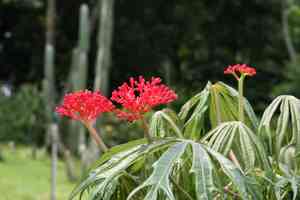
The coral plant provides a distinct visual charm through its remarkable leaves and bright flowers.
2
Strategic positioning in your outdoor space can enhance the coral plant's aesthetic effect.
3
Yearly maintenance is vital for preserving the coral plant's well-being and attractiveness.
Introducing the Coral Plant in Garden Design
Appreciating the Coral plant's distinct visual appeal
A key allure of the Coral plant is its unique aesthetic. It features striking, deeply lobed leaves that impart a dramatic, tropical feel to any garden. Furthermore, its vivid blooms, often bright red or coral, inject a burst of color into outdoor spaces. These visual characteristics make the Coral plant not just an ornamental addition but a central element in landscape planning.
The Coral plant's role in themed garden environments
Themed gardens, from tropical havens to minimalist designs, can greatly benefit from including the Coral plant. Its distinct structure and vibrant hues make it a flexible component that complements various themes. For example, in a tropical garden, the Coral plant can serve as a captivating centerpiece. In contemporary settings, its architectural foliage adds texture and depth, balancing other landscape features.
Advantages of the Coral plant compared to other ornamentals
When contrasted with other decorative plants, the Coral plant offers several benefits. Firstly, it demands relatively little upkeep, making it suitable for both new and experienced gardeners. Secondly, its adaptability to diverse soil types and resistance to common pests give it an edge over more delicate species. Moreover, the Coral plant boasts a longer flowering period, ensuring continuous visual appeal across seasons.
Optimal Placement of Coral Plant in Garden Layouts
Selecting the ideal spot for maximum visual impact
Choosing the correct location for your Coral plant is crucial for maximizing its visual effect. Ideally, position it where it can be easily seen and admired, such as near your garden's entrance or as a focal point within a mixed border. Consider sightlines from various angles and aim to place the Coral plant in a way that naturally draws the eye, enhancing your garden's overall beauty.
Understanding its sunlight and shade requirements
The Coral plant thrives in areas receiving ample sunlight, ideally six to eight hours daily. However, it can also tolerate partial shade. Ensuring sufficient sunlight will not only aid its growth but also intensify the vibrancy of its blooms. Avoid placing the Coral plant in full shade, as this can hinder its development and reduce flowering. Grasping these needs will help you find the perfect spot for the Coral plant to flourish.
Integrating the Coral plant with other garden flora
Integration is vital to ensure the Coral plant complements rather than overwhelms other plants in your landscape. Pair it with plants that have contrasting foliage or flower colors to create dynamic visual interest. For instance, dark green shrubs can provide a backdrop that highlights the Coral plant's vivid flowers. Additionally, consider the heights and growth habits of surrounding plants to maintain a balanced and aesthetically pleasing arrangement.
Seasonal Considerations for the Coral Plant
Best times of year for planting the Coral plant
Planting the Coral plant at the appropriate time is essential for its establishment and growth. The best planting periods are early spring or late fall when temperatures are moderate and the soil is still warm. This allows the Coral plant to establish roots before extreme weather, such as summer heat or winter cold, sets in. Proper timing ensures healthier growth and more stunning displays of foliage and flowers.
Managing the Coral plant during harsh weather
While the Coral plant is quite resilient, it requires extra care during adverse weather. During hot, dry spells, ensure it receives enough water to prevent wilting. Conversely, during heavy rains, ensure good drainage to prevent root rot. In colder climates, protect the Coral plant from frost by covering it or moving it to a sheltered spot. Proper handling during these times will keep your plant healthy and strong.
Seasonal aesthetic changes of the Coral plant
One of the Coral plant's charms is its varied appearance throughout the seasons. In spring and summer, its vibrant flowers are in full bloom, adding color and life to your garden. In autumn, the leaves can deepen in hue, bringing warmth to the landscape as other plants begin to fade. Understanding these seasonal shifts can help you plan your garden layout for year-round visual appeal.
Coral Plant Maintenance Tips for Landscapes
Basic care and grooming practices
Maintaining the Coral plant is quite simple, with fundamental practices ensuring it stays healthy and attractive. Regular watering, especially during dry spells, and occasional feeding with a balanced fertilizer will support its growth. Prune any dead or damaged leaves to preserve its aesthetic and encourage new growth. Mulching around the base can help retain moisture and suppress weeds, contributing to overall plant health.
Common errors and how to prevent them
Avoiding frequent mistakes can ensure the Coral plant's longevity and beauty. Over-watering is a common error; ensure soil is well-drained to prevent root rot. Equally important is to avoid under-watering, particularly in summer heat. Another pitfall is neglecting pruning, which can lead to a messy, overgrown appearance. Regular observation and timely action can prevent these common issues.
Ensuring long-term health and visual appeal
The Coral plant's long-term health and beauty can be maintained through diligent care. Regular soil testing and amendments ensure the soil remains fertile and conducive to growth. Monitoring for pests and diseases and addressing them promptly can prevent significant damage. Furthermore, rotating fertilizer types and adjusting watering schedules based on seasonal needs will help maintain a resilient and thriving Coral plant.
Creative Uses of Coral Plant in Landscape Designs
Innovative planting concepts and design inspiration
Incorporating the Coral plant into your landscape offers endless creative possibilities. Consider using it as a focal point in a mixed border or as part of a tropical garden bed. Its striking leaves and vibrant flowers can also form a living screen or a natural backdrop. Pairing it with complementary plants and thoughtful placements can transform ordinary spaces into extraordinary landscapes.
Case studies: Successful landscape projects featuring the Coral plant
Several successful landscape projects have demonstrated the Coral plant's versatility and charm. In one instance, a tropical-themed garden used the Coral plant as a central feature, surrounded by lush ferns and bright flowers, creating a vibrant and cohesive garden space. Another project integrated the Coral plant into a modern garden design, where its architectural form and vivid coloration provided a striking contrast to minimalist elements, adding depth and character.
Future trends in using the Coral plant for landscaping
Future landscaping trends lean towards sustainable and low-maintenance plant choices, making the Coral plant an increasingly popular option. Its drought tolerance and minimal pest issues align well with sustainable gardening practices. Additionally, as more gardeners seek plants that offer year-round interest, the Coral plant's seasonal aesthetic changes make it a valuable addition. Its incorporation into vertical gardens and urban landscapes is also gaining traction, showcasing its adaptability.



