The Hidden Danger in Your Home? Unmasking the Toxicity of the Coral plant Plant.
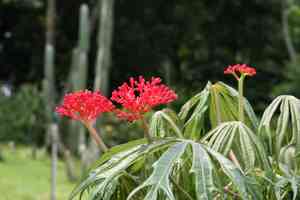
1
Ingesting Ricinus communis can lead to serious health issues, such as stomach discomfort, throwing up, and harm to internal organs.
2
This plant presents a significant health danger to felines, causing signs like digestive distress and necessitating prompt veterinary intervention.
3
Canines consuming this plant might display sickness, loose stools, and sluggishness; urgent veterinary assistance is crucial.
Is Coral plant toxic to humans?
Coral plant exhibits a moderate degree of toxicity to humans, with every part of the plant being dangerous if consumed. The potent toxin, ricin, is responsible for its detrimental effects. When eaten, even in small quantities, ricin can induce severe symptoms, including stomach discomfort, emesis, loose stools, and in certain instances, it might result in more serious issues like organ damage. Given the plant's overall toxicity, unintentional consumption is a major worry, and people should be careful to prevent any oral contact. The intensity of symptoms can differ based on the amount consumed, but the danger of poisoning exists regardless of the ingested quantity.
Is Coral plant toxic to cat?
Coral plant has a moderate level of toxicity and can present a significant health hazard to cats. If a cat consumes any portion of the plant, as the whole plant is poisonous, it can result in poisoning. Signs of toxic exposure in felines include, but are not limited to, indications of physical discomfort, such as digestive upset or skin irritation. The presence of ricin, a powerful compound, contributes to the plant's harmful properties. Prompt veterinary care is crucial if a cat has ingested coral plant, to guarantee quick and suitable treatment.
Is Coral plant toxic to dog?
Coral plant presents a moderate toxicity danger to dogs. Canines might inadvertently consume parts of coral plant, leading to poisoning. The entire plant is poisonous, and if a dog eats any part of it, they might display symptoms such as throwing up, loose stools, sluggishness, or more severe signs depending on the amount ingested. The toxic compound in coral plant causing these reactions is ricin. If you suspect your dog has consumed coral plant, it is essential to seek immediate veterinary attention to ensure the best possible prognosis for your pet.



