How to Propagate Coral plant?
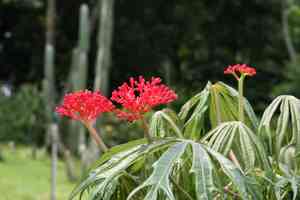
Recognized for its vivid, striking leaves and floral groupings that evoke marine coral, coral plant is a tropical bush extensively valued in decorative gardening. To multiply coral plant, utilize cuttings for an effective and reliable method. Select robust, non-blooming stalks, and apply rooting stimulant to them to boost the probability of successful root formation. Verify that the cultivation substrate drains effectively and sustain steady dampness without oversaturation. With appropriate attention, these cuttings will establish roots and thrive, enabling coral plant to prosper in fitting surroundings.
Optimal Period for Coral Plant Propagation
Propagation Method
Cutting
Propagation Season
Autumn,Winter
Tools Required for Coral Plant Propagation
Sharp Pruning Shears
These are vital for obtaining clean, precise cuttings from coral plant. A keen blade ensures the cutting is healthy and undamaged, significantly boosting rooting success. A clean cut lessens infection risk and stress for both parent and cutting.
Rooting Hormone Powder or Gel
This product aids in stimulating root development from the severed ends of coral plant cuttings. Applying rooting hormone accelerates the rooting process and increases propagation success. This is especially important for improving coral plant viability, as it might otherwise root more slowly.
Sterile Potting Mix
A sterile potting medium offers a safe, pathogen-free environment for coral plant cuttings to establish roots. It's typically loose and well-draining, preventing moisture-related issues like rot, thereby fostering healthier root growth during propagation.
Small Pots or Planting Trays
These containers are utilized for planting individual coral plant cuttings after hormone treatment. They should offer adequate drainage and sufficient space for initial root growth without overcrowding, ensuring optimal development conditions.
Plastic Bags or a Propagation Dome
Covering coral plant cuttings with a plastic bag or placing them under a propagation dome helps maintain high humidity around them. This humidity is critical for preventing cuttings from drying out before new roots form, thus improving propagation success.
How to Propagate Coral Plant?
Propagation Type
Moderately Difficult
Caring for Your Newly Propagated Coral Plant
Caring for Your Newly Propagated Coral Plant
Once coral plant cuttings have rooted, gradually acclimate them to environmental conditions by progressively removing the humidity dome. Ensure moderate watering, avoiding waterlogging. Initially provide indirect sunlight, then slowly introduce more direct light. Fertilize with a balanced, water-soluble fertilizer after 4-6 weeks to support growth. Transplant cuttings into larger pots or the landscape as they outgrow their initial containers. Monitor for pests and diseases and treat as needed.
Common Mistakes to Avoid When Propagating Coral Plant
Over-watering cuttings
Saturated conditions can cause rot, especially in delicate coral plant cuttings. This may lead to decay before root development.
Using dull cutting tools
Blunt tools can harm the parent plant and cuttings, creating ragged edges more prone to infection and less likely to heal properly.
Ignoring sanitation
Failing to sterilize tools or containers can introduce pathogens, which can be detrimental to coral plant cuttings, leading to poor growth or disease.
Planting at incorrect depth
If coral plant cuttings are buried too deep or not deep enough, it can hinder root formation or cause them to dry out and die.
Neglecting aftercare
Once coral plant cuttings are planted, neglecting proper moisture and temperature maintenance can impede root development and growth.
Tips For Propagating Coral Plant
Proper hydration
Maintaining balanced soil moisture is vital. Keep the soil moist but not waterlogged to encourage root growth in coral plant cuttings without risking rot.
Use sharp tools
When taking cuttings from coral plant, always use sharp, clean tools to ensure a clean cut that will heal well and minimize plant stress.
Sanitize equipment
Sterilize cutting tools and containers before use to prevent disease spread, which is crucial for successful coral plant propagation.
Correct planting depth
Insert coral plant cuttings to the appropriate depth to promote root establishment without risking desiccation or stem rot.
Monitor environmental conditions
After planting, carefully monitor and adjust moisture and temperature to provide ideal growing conditions for coral plant cuttings to take root.



