How to Transplant Kurogane holly?
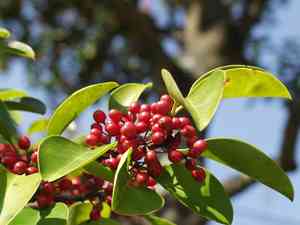
The optimal period for transplanting kurogane holly is during the revitalizing phase of early to mid-spring, leveraging the mild weather for root development. Select a location with good drainage and partial shade, and during the transfer, preserve the soil's structure to facilitate a smooth adjustment for this resilient perennial.
What Preparations are Necessary Before Relocating Kurogane Holly?
What is the Optimal Period for Relocating Kurogane Holly?
The best time for moving kurogane holly is during the revitalizing months of early to mid-spring. In this period of renewal, milder temperatures and increased moisture levels foster a supportive environment that encourages root development and minimizes transplant shock. Utilizing this timeframe can lead to a strong and smoother transition for kurogane holly, setting the stage for robust growth. It's like giving kurogane holly an advantage in its journey toward thriving health and beauty.
How Much Distance Should You Maintain Between Kurogane Holly Plants?
When relocating kurogane holly, remember it requires ample room to flourish. We suggest a separation of 8-10 feet (2.4-3.0 meters) between each plant. This allows each kurogane holly to expand and thrive.
What is the Best Soil Mixture for Kurogane Holly Relocation?
Good news, kurogane holly isn't overly particular about its soil! However, a well-draining soil enriched with organic material is ideal. Incorporate a foundational fertilizer to provide your kurogane holly with a nutritional boost during its initial growth.
Where Should You Replant Your Kurogane Holly?
Selecting the appropriate spot for your kurogane holly is extremely important. Since it thrives in full sun to partial shade, choose a garden area that receives abundant sunlight for most of the day.
What Tools Should You Prepare Before Relocating Kurogane Holly?
Gardening Gloves
To safeguard your hands while handling soil and the plant.
Shovel or Trowel
These implements are essential for excavating holes and shifting earth.
Pruning Shears
To trim away any dead or damaged branches and roots.
Garden Hose or Watering Can
To moisten the area, facilitating plant removal and for post-transplant irrigation.
Wheelbarrow or Bucket
For moving the kurogane holly plant from its original spot to the new planting site.
Measuring Tape
To ensure the hole is dug to the correct depth and width for the kurogane holly's root ball.
How Do You Extract Kurogane Holly from the Ground?
How Do You Extract Kurogane Holly from the Ground?
From Ground: Begin by watering the kurogane holly plant to dampen the soil, which will make it easier to dig out. Carefully dig around the plant with a shovel or trowel, being sure not to harm the root ball. Once you've dug wide and deep enough to accommodate the entire root system, gently lift the plant from the ground.From Pot: First, thoroughly water the kurogane holly plant to loosen the soil. Next, turn the pot on its side, hold the plant gently by its base, and try to slide it out. If the plant is stuck, you might need to tap the bottom of the pot to release it.From Seedling Tray: Ensure the kurogane holly is thoroughly watered until the soil is moist. With a gentle grip, pull the seedling upwards. Be careful not to damage the root system.
Step-by-Step Guide for Relocating Kurogane Holly
Preparation
Begin by watering the kurogane holly plant in its current location an hour before you intend to move it. This will lessen stress and simplify its removal.
Site Preparation
Dig a hole that is twice as wide as your plant's root ball and equally deep.
Relocation
Carefully position kurogane holly in the hole. The top of the root ball should be level with or slightly above the ground's surface.
Backfilling
Refill the hole with the soil you removed, gently firming it around the plant's base. Avoid mounding soil against the plant's stem as this can lead to rot.
Watering
Generously water the plant, saturating the planting area, but prevent waterlogging.
How Do You Care For Kurogane Holly After Relocation?
Monitoring
Be sure to check on kurogane holly regularly for the initial few weeks after relocation. Look for any indications of stress or illness.
Maintenance
Remove any dead leaves or branches as they will consume kurogane holly's energy that could be used for new growth.
Watering
Keep the soil around kurogane holly consistently moist, but not waterlogged. Deep watering encourages kurogane holly to develop a deep root system, which will help it withstand dry conditions later.
Protection
Based on the local climate and weather forecast, kurogane holly might require some covering or shade. Frost, intense sun, or wind could harm the plant, so adjust its cover/shade as needed.
Troubleshooting Common Issues with Kurogane Holly Relocation.
When is the optimal time to relocate kurogane holly?
Relocating kurogane holly is most effective during seasons S1-S2. This is when the plant can readily adjust to new surroundings.
What's the ideal spacing for kurogane holly when relocating?
For best growth, each kurogane holly plant needs about 8-10 feet (2.4-3 meters) of space from one another.
What to do if kurogane holly's leaves start to droop after relocation?
Consistent yet moderate watering is crucial. Avoid both overwatering and drought. Drooping is a common post-relocation change, but it should subside.
Should I add any special nutrients when relocating kurogane holly?
Although kurogane holly isn't particularly fussy, soil rich in organic matter will give it a good start after relocation.
How do I ensure successful root establishment for kurogane holly?
Ensure the planting hole is twice the width of the root ball. Position the plant correctly and backfill with soil.
What is the ideal depth to plant kurogane holly when relocating?
The planting hole should be deep enough to cover the root ball. The top of the root ball should be level with the ground.
What should I do if kurogane holly is stressed after relocating?
Reduce stress by ensuring proper watering, and shield it from extreme temperatures. If it's windy, erect a windbreak around it.
Should I prune kurogane holly after relocating?
Yes, light pruning benefits kurogane holly after relocation. It lessens strain on the new root system while the plant settles by balancing top growth with the roots.
Does kurogane holly need full sun after relocating?
Kurogane holly prefers a location with full sun to partial shade but ensure it doesn't get scorched if the sun is too intense.
How long should I wait to fertilize kurogane holly after relocating?
Wait a few weeks after relocating before fertilizing to prevent any potential root damage to kurogane holly.



