How to Prune Kurogane holly?
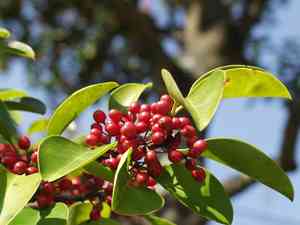
This perennial woody plant exhibits thick, lustrous leaves and vigorous development, frequently sculpted into hedges or ornamental shapes. For kurogane holly, trimming ought to concentrate on preserving its form, managing its dimensions, and eliminating deceased or intersecting limbs. The most suitable time for pruning is in the colder months when the plant is inactive. Pruning at this juncture encourages strong new growth in spring and sustains the plant's well-being. It is crucial to make precise cuts and refrain from excessive trimming to avert unnecessary strain on kurogane holly.
What Are the Benefits of Pruning Kurogane Holly?
What Are the Benefits of Pruning Kurogane Holly?
Trimming kurogane holly promotes robust development by eliminating lifeless or weak limbs, improving air circulation and sunlight exposure. Regular shaping helps maintain its desired form, fostering a more visually appealing look.
What Is the Best Time for Pruning Kurogane Holly?
What Is the Best Time for Pruning Kurogane Holly?
Trimming kurogane holly in late winter, just prior to the spring growth surge, supports vigorous new development and allows the plant to recover swiftly without sacrificing buds that will produce the next season's growth. This timing also minimizes the risk of frost damage to fresh cuts and reduces the chance for disease entry as many pathogens are less active during colder weather. Furthermore, with less foliage, it's easier to see the structure of kurogane holly to make more precise cuts. Avoid pruning in early winter since cuts may not heal before the coldest weather, which can harm the plant.
What Tools Do I Need to Prune Kurogane Holly?
Hand Pruners
Perfect for severing small branches and foliage, enabling precise and clean cuts essential for preserving the shape and health of kurogane holly.
Loppers
Suitable for reaching into the dense canopy of kurogane holly and cutting thicker branches that hand pruners cannot manage, without harming the plant.
Hedge Shears
Ideal for shaping and trimming the hedge forms of kurogane holly, ensuring uniform and attractive growth patterns without damaging the foliage.
Pruning Saw
Required for removing any large or dead branches from kurogane holly, providing a clean cut that will assist in the plant's recovery process.
How to Prune Kurogane Holly
Clean Tools
Before beginning, sterilize pruning shears or saws to prevent the spread of disease to kurogane holly.
Remove Dead
Carefully inspect kurogane holly and cut off any dead branches at the point where they meet healthy wood, making a clean cut to facilitate healing.
Eliminate Diseased
Identify any diseased branches on kurogane holly and remove them well into the healthy tissue to ensure the entire infected area is eradicated.
Dispose
Properly discard all removed dead and diseased branches to prevent contaminating kurogane holly or other nearby plants.
Cleanup
After pruning kurogane holly, clear away all debris from the surrounding area and clean tools again to avoid potential disease transmission.
Common Pruning Mistakes with Kurogane Holly
Over-Pruning
Removing too much foliage at once can stress kurogane holly and lead to poor growth or disease susceptibility.
Uneven Cuts
Improper cutting technique that results in jagged or uneven wounds can hinder healing and attract pests.
Pruning During Active Growth
Cutting back kurogane holly when itâs actively growing can prevent the formation of flower buds, which form on old wood.
Ignoring Deadwood
Failing to remove dead or diseased branches can inhibit kurogane holly's overall health and aesthetic appeal.
Neglecting Tool Cleanliness
Not sterilizing tools between cuts and plants can spread disease among kurogane holly specimens and other plants in the garden.
Disregarding Plant Shape
Pruning without considering kurogane holly's natural form can lead to a less attractive shape and reduced vigor.
Common Pruning Tips for Kurogane Holly
Sharp Tools
Always use sharp and clean pruning tools to make clean cuts that heal quickly and reduce the risk of disease.
Step-Back Technique
After each cut, take a step back to assess the overall shape of kurogane holly for a balanced, natural appearance.
Incremental Pruning
Prune kurogane holly gradually, especially when shaping the plant, to avoid over-pruning and shock.
Angled Cuts
Make cuts at a 45-degree angle away from the bud to encourage proper water runoff and prevent rot.
Crossing Branches
Remove branches that are crossing or rubbing against each other to promote good airflow and reduce damage to kurogane holly.
Healthy Growth Focus
Focus on thinning out the center of kurogane holly to allow light and air penetration, enhancing the plant's health and flowering potential.



