How to Propagate Kurogane holly?
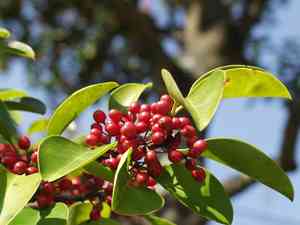
Kurogane holly can be effectively multiplied using stem sections. Choose robust, semi-mature branches and make a precise incision. Utilize a rooting stimulant to encourage root formation, then insert the cuttings into a fertile, well-draining substrate. Ensure continuous dampness and offer diffused illumination until the root system is established. With diligence and appropriate attention, fresh shoots will indicate successful multiplication.
Optimal Period for Kurogane Holly Propagation
Propagation Method
Cutting
Propagation Season
Autumn,Winter
Tools Required for Kurogane Holly Propagation
Sharp pruning shears
Crucial for making clean, precise cuts on kurogane holly, sharp pruning shears minimize harm to the parent plant and boost the likelihood of successful rooting. A clean incision helps prevent disease and promotes faster healing and root growth.
Rooting hormone powder or gel
This product enhances the probability of successful root development when applied to the cut end of kurogane holly's cuttings. Rooting hormones stimulate root growth and help protect the cutting from diseases as it forms new roots.
Sterile potting mix
A sterile potting mix, ideally a blend of peat, perlite, and vermiculite, offers an optimal environment for rooting kurogane holly's cuttings. Its sterile nature prevents pathogens that could harm the cuttings before they root and grow.
Propagation trays
These containers are utilized to secure kurogane holly cuttings while they root. The design of propagation trays helps maintain consistent moisture levels and allows for easy management of multiple cuttings simultaneously.
Plastic covers or humidity domes
Maintaining a high humidity environment is vital for the successful rooting of kurogane holly's cuttings. Humidity domes or plastic covers help retain moisture and warmth, reducing water loss from the cuttings and fostering a favorable rooting environment.
How to Propagate Kurogane Holly?
Propagation Type
Moderately Difficult
Post-Propagation Care for Your Kurogane Holly
How to Care for Your Newly Propagated Kurogane Holly?
Once kurogane holly cuttings have rooted, typically after several weeks, gradually acclimate them to less humid conditions by removing the dome or bag. Water the young plants regularly to keep the soil consistently moist but not waterlogged, and apply a balanced, slow-release fertilizer to support growth. As kurogane holly thrives in bright light, position it in a spot with ample indirect sunlight and shield it from direct sun exposure. Regular pruning will help maintain a desired shape and encourage fuller growth.
Common Errors to Avoid When Propagating Kurogane Holly
Insufficient root preparation
When gardeners attempt to propagate kurogane holly by cuttings without adequately preparing the roots, the likelihood of successful propagation decreases. Kurogane holly requires a well-developed root system to establish itself after transplanting.
Overwatering cuttings
Excessive moisture can lead to root rot and fungal infections in kurogane holly cuttings. This error can fatally compromise the health of the young plants before they even have a chance to grow.
Using dull cutting tools
Employing unsharpened tools to take cuttings can damage kurogane holly's delicate stems, resulting in poor healing and reduced success rates in propagation.
Neglecting humidity for cuttings
Kurogane holly cuttings need a high humidity environment to promote root growth. Failing to provide such conditions can lead to desiccation and the inability of the cuttings to take root.
Advice for Propagating Kurogane Holly
Sterilize cutting instruments
Always sterilize cutting tools before use to prevent disease spread and ensure clean cuts that kurogane holly can heal from quickly, facilitating successful propagation.
Rooting hormone usage
Dipping the cut end of kurogane holly cuttings in a rooting hormone can significantly improve the chances of root development, which is critical for the successful establishment of the plant.
Appropriate soil mix
Use a well-draining soil mix for kurogane holly cuttings to improve aeration and prevent waterlogging, thus decreasing the risk of root rot.
Controlled watering
Maintain a consistent, but moderate watering schedule for kurogane holly cuttings. Ensuring the soil is moist but not waterlogged is crucial for healthy root development.



