Boost Growth: How and When to Repot Your Kurogane holly Plant
1
Kurogane holly flourishes optimally when transplanted in spring or winter.
2
Select a container with a diameter 5 to 10 cm (2 to 4 inches) wider than its present one.
3
Confirm the fresh potting mix allows for good drainage to avoid excessive moisture and root decay.
Why Replant Your Kurogane Holly?
Understanding the growth pattern of Kurogane holly
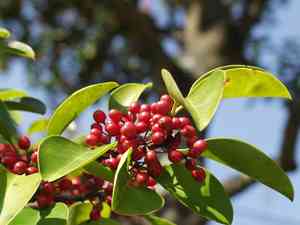
The Kurogane holly, or Ilex rotunda, is a lively evergreen variety recognized for its glossy foliage and ornamental berries. Similar to many plants, it possesses a distinct growth pattern that can be affected by environmental factors and container limitations. Replanting is a vital component of its maintenance, guaranteeing it has ample space to expand and access to fresh, nutrient-rich substrate.
Indicators that your Kurogane holly requires a new container
Several clues suggest it's time to replant your Kurogane holly. These signs include roots emerging from the drainage openings, slower development, and soil that dries out rapidly after irrigation. Furthermore, if the plant appears top-heavy or consistently topples over, it's a clear signal that it needs more room.
Advantages of replanting for plant vitality and appearance
Replanting offers numerous benefits for your Kurogane holly. It aids in replenishing depleted nutrients, enhances soil aeration, and permits the roots to spread. Additionally, replanting can improve the plant's aesthetic appeal by providing it with a fresher look and a healthier growing environment.
When Is the Optimal Time to Replant?
Seasonal considerations â selecting the appropriate time of year
Spring and winter are the ideal seasons for replanting your Kurogane holly. During these periods, the plant is either emerging from dormancy (spring) or preparing for a phase of restricted growth (winter), which minimizes the stress and shock associated with replanting.
Plant life cycle stages and replanting
Understanding when to replant depends on the life cycle stage of your Kurogane holly. Young plants may necessitate annual replanting to accommodate their rapid development, while mature plants might only require replanting every two to three years. Always observe the plant for indications that it has outgrown its current pot.
Choosing the Correct Pot and Substrate for Your Kurogane Holly
Criteria for selecting the appropriate pot size and material
When choosing a new pot for your Kurogane holly, select one that is 5 to 10 cm (2 to 4 inches) larger in diameter than the current container. The pot's material also matters; terracotta pots are excellent for breathability, whereas plastic pots retain more moisture. Ensure the pot has sufficient drainage to prevent waterlogging.
Crafting the perfect soil blend for Kurogane holly
The Kurogane holly prefers well-draining soil with a blend of organic matter. A suitable soil mix can include a combination of peat moss, compost, and perlite. This mixture ensures proper drainage while retaining essential moisture and nutrients.
Step-by-Step Guide to Replanting Kurogane Holly
Preparing your work area and gathering necessary implements
Before commencing the replanting process, prepare a clean work area and gather tools such as gloves, a trowel, and pruning shears. Ensure you have the new pot and fresh soil ready.
Carefully removing Kurogane holly from its old container
To extract the Kurogane holly from its current pot, turn the pot on its side and gently tap the base to loosen the soil. Carefully slide the plant out, supporting the root ball with your hands to prevent damage.
Inspecting and pruning the root system
Once the plant is out, examine the root system. Trim any dead, damaged, or excessively long roots using clean pruning shears. This encourages healthy new growth and helps the plant establish itself in its new pot.
Placing and positioning your plant in the new container
Place a layer of soil at the bottom of the new pot. Position the Kurogane holly in the center, ensuring it sits at the same depth as in the previous pot. Fill in around the root ball with fresh soil, gently pressing down to eliminate air pockets.
Final steps: Watering and post-replanting care
After replanting, water the Kurogane holly thoroughly to help the soil settle. Place the plant in a location with appropriate light conditions and avoid fertilizing for a few weeks to allow it to acclimate to its new surroundings.
Aftercare Advice: Ensuring a Smooth Adjustment
Watering schedule modifications post-replanting
Adjust the watering schedule after replanting. Initially, water more frequently to help the roots establish, then reduce to a regular schedule. Ensure the soil remains moist but not waterlogged.
Monitoring plant vitality for signs of stress or development
Observe the Kurogane holly for signs of stress, such as wilting or yellowing leaves. With proper care, it should recover quickly and begin to show new growth. Keep an eye out for pests and diseases, and address any issues promptly.



