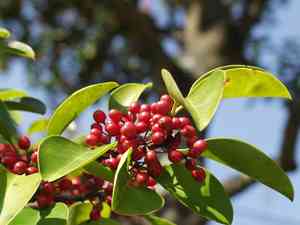
Kurogane holly (Ilex rotunda)
Also known as: Small-fruited holly
The Kurogane holly (Ilex rotunda) is a striking evergreen holly native to Japan that can reach heights of up to 15 meters. This species has been cultivated in the United States for around 200 years. It produces bright red berries that ripen from fall through winter, providing a beautiful visual display during the colder months.
Attributes of Kurogane holly
Images of Kurogane holly
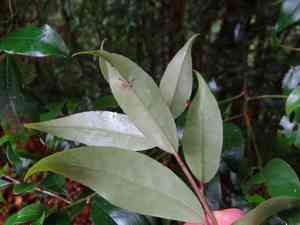

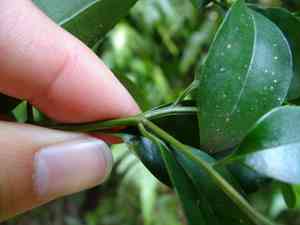
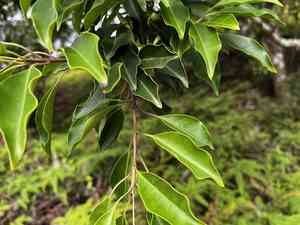
Quickly Identify Kurogane holly
Scientific Classification of Kurogane holly
Planting and Growing of Kurogane holly
 How to Water Kurogane holly?
 What Are the Sunlight Requirements for Kurogane holly?
 What Is the Ideal Temperature Range for Kurogane holly?
 What Soil is Best for Kurogane holly?
 How to Fertilize Kurogane holly?
 How to Prune Kurogane holly?
 How to Propagate Kurogane holly plant?
 How to Repot Kurogane holly plant?
Toxicity of Kurogane holly
Is Kurogane holly toxic to humans?
Kurogane holly is known to have a moderate toxic effect on humans, which can result in poisoning if ingested. Every part of the plant is deemed toxic, and consuming it may lead to various symptoms. Those who eat any parts of kurogane holly might suffer from gastrointestinal issues, including nausea, vomiting, and abdominal discomfort. Furthermore, symptoms can progress to neurological reactions such as dizziness and confusion. Given that the entire plant is poisonous, it is important to exercise caution to avoid unintentional ingestion, especially in areas where kurogane holly is found.
Is Kurogane holly toxic to cat?
Kurogane holly is known to carry a moderate degree of toxicity for cats, presenting a potential health hazard if any part of the plant is ingested. If a cat inadvertently consumes kurogane holly, which is entirely toxic, it may display symptoms of physical distress or illness. Should ingestion occur and result in poisoning, it is crucial for cat owners to promptly seek veterinary assistance to safeguard the health and safety of their beloved feline friends.
Is Kurogane holly toxic to dog?
Kurogane holly presents a moderate toxicity hazard for dogs. Canines might accidentally ingest various parts of this plant, which can lead to potential poisoning scenarios. The entirety of the plant is toxic, and consumption may trigger a range of concerning symptoms. Dog owners should remain alert for indicators such as gastrointestinal distress, vomiting, diarrhea, or even more severe reactions based on the quantity consumed. If a dog shows any atypical behaviors or health issues after exposure to kurogane holly, it is crucial to obtain prompt veterinary assistance to secure the best possible outcome for the animal.



