How Much Sunlight Do Kurogane holly Need?
1
Kurogane holly flourishes optimally in direct sunlight, preferably getting more than 6 hours of sun each day.
2
It can endure some shade, particularly in warmer regions where intense afternoon sun could be detrimental.
3
Observe for indications of both too little and too much light to preserve the plant's well-being.
Why is Sunlight Essential for Kurogane Holly?
Photosynthesis and Development
Sunlight is vital for the Kurogane holly as it powers photosynthesis, the mechanism by which plants transform light energy into chemical energy for their growth. Without enough sunlight, the Kurogane holly may show stunted development, sparse foliage, or pale leaves. Ensuring your Kurogane holly gets the correct amount of sunlight is the initial step toward a flourishing plant.
Health and Robustness
Vigorous plants require adequate sunlight to sustain strength and ward off diseases. Sufficient sunlight aids Kurogane holly in developing strong cell walls, boosting its capacity to repel pests and ailments. Furthermore, ample sunlight encourages the creation of sugars and other vital compounds, guaranteeing the plant stays sturdy and vibrant throughout the growing season.
What is the Optimal Sunlight Exposure for Kurogane Holly?
Ideal Sunlight Conditions
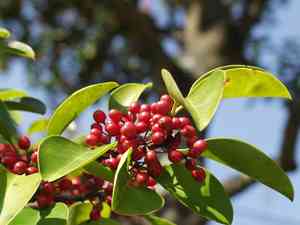
For peak growth, Kurogane holly should be exposed to full sun, meaning it should receive over 6 hours of direct sunlight daily. This ensures the plant obtains enough light to perform photosynthesis efficiently, fostering dense, appealing foliage and vivid red berries in winter.
Partial Shade Needs
While Kurogane holly prefers full sun, it can endure partial shade, especially in areas with extremely hot afternoons. In such instances, providing some relief from intense afternoon sun can prevent leaf scorch and keep your holly looking its best. Aim for morning sun and afternoon shade to balance the plantâs light requirements without causing stress.
How to Determine Sunlight Needs Based on Location?
Sunlight Variations by Area
Sunlight intensity and duration can differ considerably based on your geographical location. In northern regions, full sun exposure is critical to ensure the plant receives ample light. Conversely, in southern or desert regions, partial shade during the hottest part of the day might be beneficial. Adjusting the planting site accordingly is crucial for effectively meeting your Kurogane holly's sunlight requirements.
Seasonal Sunlight Shifts
The amount of sunlight changes with the seasons, affecting your Kurogane holly. During the shorter days of winter, itâs essential to ensure that the plant still gets as much light as possible. In summer, be mindful of midday sun intensity that could stress the plant. Adjusting placement or providing shade cloth during peak summer can help mitigate excessive sun exposure.
How to Manage Insufficient or Excessive Sunlight for Kurogane Holly?
Signs of Insufficient Sunlight
When Kurogane holly isn't receiving enough sunlight, you might observe stretched or leggy growth, fewer berries, or dull-looking leaves. These indicators suggest the plant is struggling to perform photosynthesis efficiently and isn't producing sufficient energy to thrive. If you notice these signs, consider moving the plant to a sunnier location.
Signs of Excessive Sunlight
Too much sunlight can also be harmful. Symptoms include scorched or brown leaves, particularly on the side facing the sun, and an overall wilted appearance despite adequate watering. These signs indicate the plant is experiencing stress from too much direct sunlight. Relocating the plant or providing partial shade can help.
Adjusting Sunlight Exposure
To modify sunlight exposure, you might need to move your Kurogane holly or use garden solutions like shade cloths. For potted plants, simply shifting the container to a more suitable spot can resolve the issue. For in-ground plants, consider using strategic planting of taller plants to provide some natural shade or installing temporary shading solutions during peak sunlight hours.
Can Kurogane Holly Grow Indoors?
Indoor Light Requirements
Cultivating Kurogane holly indoors is feasible if you can replicate its sunlight needs. Position the plant near a south-facing window where it can receive several hours of bright, direct sunlight daily. Light intensity indoors tends to be lower, so ensuring a well-lit spot is crucial.
Artificial Lighting Solutions
If natural light is inadequate, supplement with artificial grow lights. Utilize full-spectrum LED grow lights to mimic natural sunlight. Place these lights approximately 12-18 inches (30-45 cm) above the plant and operate them for 12-16 hours daily to encourage healthy growth.



