How to Transplant Iigiri tree?
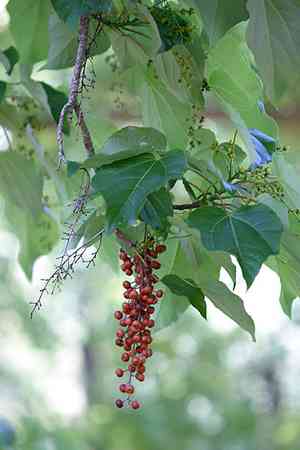
For optimal establishment of your iigiri tree, select the period of fresh starts, when the ground emerges from dormancy. Position it in a bright, protected location to encourage vigorous development. Should it be necessary, enrich the soil liberally to create an accommodating foundation.
What Preparations are Needed Before Transplanting Iigiri Tree?
What is the Ideal Time for Transplanting Iigiri Tree?
The optimal period for relocating iigiri tree is during the spring, as mild weather conditions facilitate a smooth adjustment. Choosing this time for transplantation promotes root development without the stress of extreme temperatures.
How Much Space Should You Leave Between Iigiri Tree Plants?
When moving iigiri tree, plan for a spacious area in your garden, allowing each tree approximately 10-15 feet (3-4.5 meters) of separation. This spacing ensures robust and healthy growth without overcrowding.
What is the Best Soil Mix for Iigiri Tree Transplanting?
Selecting the appropriate soil is vital. Iigiri tree thrives in slightly acidic to neutral pH levels. Loamy, well-draining soil is most suitable. Prior to transplanting, enrich your soil with a balanced fertilizer like 10-10-10 to give iigiri tree a strong start.
Where Should You Relocate Your Iigiri Tree?
Your iigiri tree will flourish best in an area with abundant sunlight, though it can also tolerate some partial shade. Discovering a perfect spot with morning sun and a touch of afternoon shade would be ideal for your plant!
What Equipments Should You Prepare Before Transplantation Iigiri Tree?
Gardening Gloves
To safeguard your hands while handling soil and plants.
Shovel
For excavating holes for roots at both the new and original sites.
A Bucket or Wheelbarrow
To safely move the iigiri tree plant to its new spot, preventing damage to the root ball.
Garden Hose
To irrigate the area before and after relocating the iigiri tree plant.
A Plant Stake
This support is necessary to minimize the chance of the plant toppling over once moved.
Mulch
Helps maintain soil moisture and deter weed growth after transplanting.
Secateurs
Essential for trimming any damaged or unhealthy parts of the plant post-transplantation.
How Do You Remove Iigiri Tree from the Soil?
How Do You Remove Iigiri Tree from the Soil?
From Ground: Start by watering the soil around the iigiri tree plant. This helps keep the root ball intact during removal. Once moistened, use a shovel to carefully dig around the plant's perimeter without harming the roots. Maintain a wide distance from the plant to protect its roots. Gently work the shovel beneath the root ball and lift the plant from its original spot.From Pot: Water the plant before removal. Then, firmly grasp the base of the iigiri tree plant and invert the pot or lay it on its side. Gently pull on the base until the plant detaches. Be careful to avoid unnecessary root damage.From seedling tray: Use a small gardening tool or your fingers to carefully scoop out the seedling, ensuring you extract as much of the root system as possible to prevent harm to the young plant.
Step-by-Step Guide for Transplanting Iigiri Tree
Digging a Hole
Use a shovel to excavate a hole in the new location. The hole should be twice the width and depth of the iigiri tree plant's root ball.
Amending
If the soil quality is poor, it may need enrichment with organic matter to supply essential nutrients for the iigiri tree plant to flourish.
Planting
Position the plant ensuring it stands upright and backfill the hole with soil, gently firming it around the base.
Staking
Stake the plant to provide stability and prevent it from leaning or falling.
Watering
Thoroughly water the area to settle the soil around the iigiri tree plant's roots, ensuring no air pockets remain.
Mulching
Spread a layer of mulch around the tree's base to retain soil moisture.
How Do You Care For Iigiri Tree After Transplanting?
Regular Watering
Once the iigiri tree is moved, ensure it receives adequate water. The soil should remain moist, but never waterlogged.
Pruning
Trim any dead or broken branches after transplanting to promote its growth.
Check for Signs of Stress
Observe the plant for indications of transplant shock, such as wilted or yellowed leaves, and take appropriate action.
Staking
Periodically check the stake and adjust it if necessary.
Pest Control
Be watchful for signs of pests or diseases that can affect the plant during this vulnerable period, and treat accordingly.
Troubleshooting Common Issues with Iigiri Tree Transplantation.
What is the optimal season for transplanting iigiri tree?
The best time to transplant iigiri tree is during the cooler seasons from early spring to late autumn (S1-S3). This typically spans from March to November.
What space is suitable for iigiri tree to grow properly?
Iigiri tree would thrive best with a distance of approximately 10-15 feet (3-4.5 meters) between each plant. This provides ample room for the plant's development.
How should I prepare the soil for iigiri tree's transplantation?
Begin by loosening the soil about 10 inches (25 cm) deep, enriching it with organic matter if needed. Ensure it is well-draining soil.
How deep should I plant iigiri tree during transplantation?
Dig a hole that is twice the width and depth of iigiri tree's root ball. Cover the roots but do not bury the trunk. This ensures optimal growth.
What are the watering requirements when transplanting iigiri tree?
Provide ample water after transplanting iigiri tree to help establish roots in the new location. However, avoid over-watering to prevent root rot.
What care practices are necessary after transplanting iigiri tree?
Keep the surrounding area free of weeds, water iigiri tree regularly but avoid excess, and apply mulch to help retain moisture.
How do I determine the perfect location for transplanting iigiri tree?
Iigiri tree performs well in full sun or partial shade. Consider the final size of iigiri tree and ensure it will not be crowded.
Do I need to stake iigiri tree after transplantation?
Staking iigiri tree immediately after transplanting offers stability and keeps it upright in harsh weather conditions. Remember to remove the stake once it's established.
How do I deal with transplant shock in iigiri tree?
Reduce transplant shock in iigiri tree by watering appropriately, maintaining suitable light conditions, and avoiding any drastic environmental changes.
Why are the leaves of my transplanted iigiri tree turning brown?
Brown leaves may indicate dehydration or sunburn. Ensure iigiri tree is properly watered and protected from extreme sun until it acclimates.



