The Iigiri tree Plant Advantage: Maximizing Home and Office Appeal and Wellness
1
The Iigiri tree improves air quality by diminishing airborne contaminants.
2
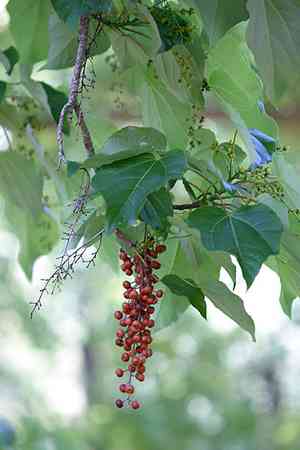
This tree yields bright red fruits that draw in diverse bird populations.
3
Its foliage and bark have historically been utilized for their sustainable attributes.
How Does Iigiri tree Improve Air Quality?
Natural Air Purifier
A key advantage of the Iigiri tree is its capacity to enhance air purity. It takes in various airborne contaminants through its foliage, functioning as an organic air cleanser. This makes it an excellent option for urban green spaces where air pollution is a concern.
Oxygen Production
Like all green vegetation, the Iigiri tree performs photosynthesis, absorbing carbon dioxide and releasing oxygen. This aids in maintaining healthy oxygen levels in your immediate surroundings. Cultivating multiple Iigiri trees can significantly boost the oxygen supply in your outdoor area.
How Can Iigiri tree Support Local Wildlife?
Attracting Birds with Berries
The Iigiri tree is recognized for its vibrant red berries that ripen in the autumn. These berries are a favorite food source for various bird species, transforming your garden into a lively hub for local fauna. Birds not only benefit from the nutritious berries, but you'll also appreciate the added beauty and activity these feathered visitors bring to your garden.
Providing Shelter
The dense canopy of the Iigiri tree offers excellent refuge for birds and other small creatures. This natural habitat provides a secure place for nesting and protection from predators, helping to foster a rich and diverse local ecosystem.
What Are the Eco-Friendly Benefits of Iigiri tree?
Sustainable Landscaping
The Iigiri tree is a robust plant that requires minimal upkeep, making it an excellent choice for environmentally friendly landscaping. Its ability to thrive in diverse soil types and conditions means less need for chemical fertilizers and irrigation, thereby conserving resources.
Traditional Uses
Historically, the leaves and bark of the Iigiri tree have been employed for environmentally conscious purposes. They can be composted to enrich soil fertility, and the bark has been used in traditional craft-making due to its strong and pliable nature. These traditional applications highlight the versatility and sustainability of this plant.
How Does Iigiri tree Enhance Visual Appeal?
Aesthetic Value
The Iigiri tree is valued for its aesthetic qualities. With broad, heart-shaped leaves that turn a striking yellow in the fall and clusters of red berries, this tree can be a focal point in any garden. Its distinctive appearance adds both texture and color, enhancing the visual appeal of your landscape throughout the year.
Versatile Planting Options
The Iigiri tree can be planted as a solitary specimen or incorporated into mixed borders and woodland gardens. Its adaptability makes it suitable for a variety of garden designs, from formal to naturalistic. Whether you desire a dramatic centerpiece or a harmonious backdrop, the Iigiri tree can fulfill multiple roles in your garden.
How to Plant and Care for Iigiri tree?
Planting Tips
Planting the Iigiri tree is quite straightforward. Select a location with well-drained soil and ample sunlight. Dig a hole twice the size of the root ball and amend the soil with compost to improve fertility. Water the tree thoroughly after planting and apply mulch around the base to retain moisture.
Ongoing Care
The Iigiri tree requires minimal care once established. Regular watering during dry periods and occasional pruning to remove dead or damaged branches will keep the tree healthy. Fertilizing once a year with an organic fertilizer can also support vigorous growth. Monitor for pests and diseases, although the Iigiri tree is generally resistant to most common issues.
What Are Some Additional Tips for Maximizing the Benefits of Iigiri tree?
Companion Planting
The Iigiri tree pairs well with other native trees and shrubs that support local wildlife and contribute to a biodiverse environment. Consider planting it alongside other berry-producing plants to create a wildlife-friendly garden.
Seasonal Maintenance
Perform seasonal maintenance tasks like leaf clearing and berry harvesting to keep your garden tidy and maximize the visual and ecological benefits of the Iigiri tree. Regularly inspect the tree for any signs of stress or disease and address any issues promptly.



