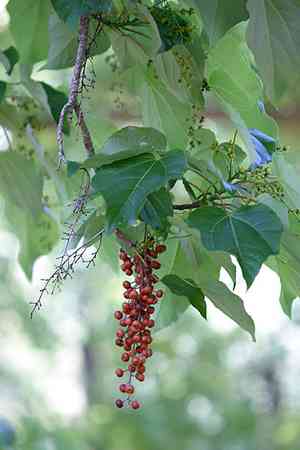
Iigiri tree (Idesia polycarpa)
Also known as: Idesia tree
The Rowan tree, or Mountain Ash (Sorbus aucuparia), is a striking deciduous tree appreciated in temperate regions for its lush green leaves, yellow-green flowers, and thick bunches of red-brown berries. Due to its potential height, it is ideal for spacious settings like parks or large gardens. This tree stands out especially in the autumn and winter months when its vibrant berries add a splash of color to the landscape.
In This Article
Attributes of Iigiri tree
Lifespan
Perennial
Plant Type
Tree
Plant Height
12 m
Spread
12 m
Leaf Color
Green Yellow
Flower Size
2.5 cm
Flower Color
Yellow Green
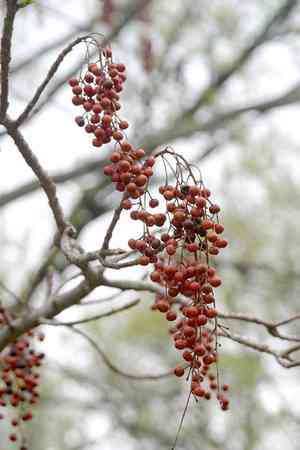
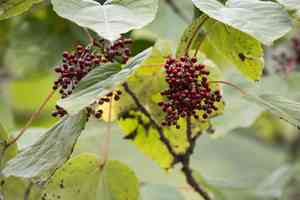
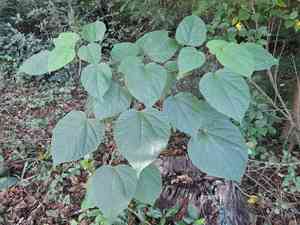
Images of Iigiri tree
Quickly Identify Iigiri tree
1
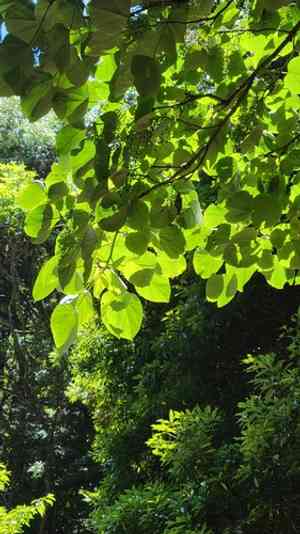
Identify Idesia polycarpa by its large, heart-shaped leaves with serrated edges, small fragrant flowers, and clusters of red berries. The bark is smooth and the branches are spread widely.
Scientific Classification of Iigiri tree
Phylum
Vascular plants
Class
Dicotyledons
Order
Nances, spurges, willows and allies
Family
Willow
Genus
Idesia
Species
Iigiri tree
Planting and Growing of Iigiri tree
Care Difficulty
Easy
Watering Schedule
Every 3 days
Sunlight Requirements
Partial sun
Sunshine Duration
4-8 hours
Ideal Temperature
60-75℉
Soil Type
Potting Mix, Peat Mix
Soil pH
6.5-7.5
Fertilizer Type
Balanced
Pruning Season
Spring, Summer
Pruning Area
Branches, Leaves
Pruning Frequency
2 times a year
Repotting Season
Spring
Pot Type
Plastic, Ceramic
 How to Water Iigiri tree?
When watering Idesia polycarpa, it's crucial to ensure the soil is thoroughly moist but not waterlogged. This typically translates to about 1000 milliliters per session, ensuring the water reaches deep into the root zone and promotes robust growth while preventing stagnant water.
What are the symptoms of an underwatered Iigiri tree?
›
What should I do if my Iigiri tree is not getting enough water?
›
What are the symptoms of an overwatered Iigiri tree?
›
How to save an overwatered Iigiri tree?
›
 What Are the Sunlight Requirements for Iigiri tree?
Idesia polycarpa benefits from partial to full sun exposure. This lighting range helps in healthy development, vibrant leaf color, and successful flowering, ensuring overall plant vitality.
More About Sunlight Requirements Techniques→
Ideal sunlight levels
›
Solution for optimal sunlight
›
Benefits of ideal sunlight
›
 What Is the Ideal Temperature Range for Iigiri tree?
The ideal temperature range for Idesia polycarpa, commonly known as the Wonder Tree, is between 60°F and 75°F. At this range, the plant thrives, exhibiting optimal growth and development. This temperature encourages healthy foliage and maximizes the plant's vigor, ensuring robust growth through its lifecycle.
 What Soil is Best for Iigiri tree?
Idesia polycarpa thrives in nutrient-rich soil, which ensures healthy growth and abundant fruiting. Nutrients in the soil help the plant develop strong roots and lush foliage, contributing to its ornamental beauty. The plant requires well-drained soil to prevent waterlogging, which can cause root rot. Adequate drainage facilitates proper air circulation in the root zone, promoting vibrant growth and overall plant health. While preferring well-drained conditions, Idesia polycarpa benefits from soil that retains moderate moisture. This balance ensures the plant receives sufficient water during drier periods without the risk of waterlogging.
 How to Fertilize Iigiri tree?
Idesia polycarpa requires moderate fertilization. For liquid fertilizers, use a concentration of 1 tablespoon per gallon of water. When applying slow-release granular fertilizers, use approximately 1/2 pound per plant. This ensures a balanced nutrient supply for optimal growth.
 How to Prune Iigiri tree?
Begin by removing any dead, diseased, or damaged branches. Use sharp pruning shears to make clean cuts just above a healthy bud or branch. For shaping, focus on evenly thinning the interior branches to allow sunlight and air to penetrate the canopy. To maintain a balanced and attractive shape, selectively prune branches that are growing vertically or crossing each other. Aim for a rounded or pyramidal shape depending on your aesthetic preference. This will enhance the tree's natural beauty and structure. Prune to promote new growth by cutting back long shoots by about a third. This can encourage the tree to produce more flowers and subsequently more fruits. However, avoid heavy pruning, which may stress the tree and reduce fruit yield.
More About Pruning Techniques→
 How to Propagate Iigiri tree plant?
1
Begin by sowing seeds in a seed tray filled with a mix of peat and sand. Ensure seeds are lightly covered with soil, and keep the tray in a warm, sunny spot. Water regularly to keep the soil moist but not waterlogged.
2
Select healthy, non-flowering stems for cuttings. Cut 4 to 6-inch segments below a node with sharp pruners. Remove lower leaves and dip the cut end in rooting hormone to encourage root growth.
3
Plant the prepared cuttings in pots filled with a well-draining potting mix. Place the pots in a warm location with indirect sunlight. Maintain high humidity around the cuttings by covering them with a plastic bag or using a mister.
 How to Repot Iigiri tree plant?
1
Repotting for Idesia polycarpa is best indicated by visible roots outgrowing the pot's drainage holes, diminished vigor in growth, or poor water retention. These signs usually mean it's time to give your plant a new home.
2
When choosing a pot for Idesia polycarpa, aim for one that is 2-3 inches larger in diameter than the current pot. The pot should have sufficient drainage holes to prevent waterlogging. A pot too large can retain excess moisture, while a smaller pot restricts growth.
3
Choose a well-draining loamy soil mix that offers good aeration and allows water to pass through efficiently. This prevents root rot and encourages healthy root development, vital for this plant's thriving growth.
Learn More About Iigiri tree Diseases
Anthracnose
Bacterial Leaf Spot
Bacterial Soft Rot
Bacterial Wilt
Black Spot
Chemical Injury
Crown Gall
Damping-off
Downy Mildew
Drought Stress
Fusarium Wilt
Gray Mold
Leaf Curl
Leaf Spot
Mosaic
Nutrient Deficiency
Nutrient Toxicity
Powdery Mildew
Root Rot
Root-knot Nematode
Rusts
Sooty Mold
Spider Mites
Temperature Stress
Thrips Damage
White Mold



