Feng Shui for Iigiri tree
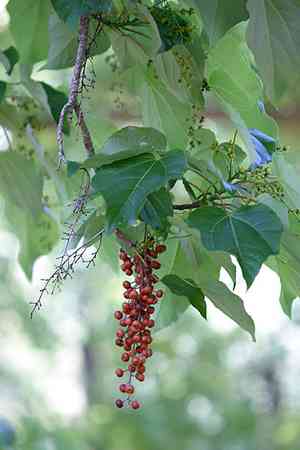
The iigiri tree might integrate effectively into an East-facing environment. Valued for its abundant leaves, this specimen could represent development and fresh starts, aligning with the wood element prevalent in Eastern Feng Shui concepts. However, its suitability can differ significantly, depending heavily on specific conditions.
How Does Iigiri Tree Affect Life's Energies?
Development, Strength, and Rebirth
The iigiri tree reflects the core of the Wood element, signifying development and strength. It represents continuous progress, endurance through hardship, and a symbol of revitalization for any area it inhabits.
Steadiness and Safeguarding
The iigiri tree carries the Zhen Qi, symbolizing the East and the start of a new day, representing protection and steadiness. It acts as a defensive shield against adverse energy and brings stability to residences or work environments.
Why Is Iigiri Tree a Fortunate Selection in Feng Shui?
Equilibrium
The iigiri tree introduces a profound feeling of equilibrium, as its 'wood' element fosters balance and promotes calm interactions.
Advancement
The iigiri tree releases the powerful 'Zhen' Qi, consistently supporting individual progress and stimulating the exciting prospects of fresh starts.
Restoration
The wood element of iigiri tree serves as a restorative agent, absorbing detrimental energies and revitalizing spaces with lively, health-enhancing Qi.
What Care Advice Should Be Considered for Iigiri Tree?
Placement
The positioning of iigiri tree is crucial. Avoid excessive grouping as it could hinder positive energy circulation.
Well-being
While iigiri tree possesses restorative qualities, excessive exposure to its 'Zhen' Qi might lead to agitation. Maintaining equilibrium is essential.
Trimming
Consistent maintenance of iigiri tree is vital. Uncared-for plants often harbor detrimental energies that could obstruct the flow of 'Zhen' Qi.
Optimal Placement for Iigiri Tree in Feng Shui?
Optimal Placement for Iigiri Tree in Feng Shui?
The iigiri tree can potentially integrate well within an East-facing environment. Valued for its abundant foliage, this plant could represent growth and new beginnings, aligning with the wood element prominent in the East according to Feng Shui principles. However, its suitability may differ significantly based on individual circumstances.



