How Much Sunlight Do Iigiri tree Need?
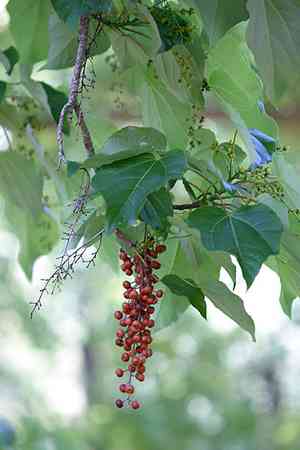
1
For optimal growth, the Iigiri tree requires over six hours of unobstructed sun daily.
2
Although the Iigiri tree favors complete sun exposure, it can also endure conditions with some shade.
3
Excessive exposure to powerful solar rays may result in scorched foliage on the Iigiri tree.
Deciphering Iigiri Tree Light Preferences
Native Environment and Illumination Needs
The Iigiri tree originates from areas bathed in abundant sunshine, making it perfectly suited for environments with ample direct light. Understanding its natural habitat offers key insights into replicating these conditions for successful growth in your garden. Hailing from regions with extensive daylight hours, the Iigiri tree thrives when it can absorb the sun's rays for most of the day.
Direct vs. Diffused Light
For the Iigiri tree, unfiltered sunlight is essential. It requires a minimum of 6 hours of direct sun daily to develop vigorously and healthily. Nevertheless, when solar intensity is particularly harsh, partial shade during peak afternoon hours can prevent leaf damage. Diffused light, while helpful for avoiding overexposure, typically falls short for this sun-loving tree and may impede its development.
Optimal Locations for Iigiri Tree Sun Exposure
Outdoor Planting Zones
When positioning the Iigiri tree outdoors, select spots that receive maximum sun exposure. Ideal locations include the garden's southern or western sides, which generally get the most sunlight throughout the day. Open areas free from obstructions like large buildings or dense tree canopies are the best options for planting your Iigiri tree.
Indoor Placement Strategies
If you are cultivating the Iigiri tree indoors, positioning it near expansive, south-facing windows where it can receive ample light is critical. Employing sheer curtains helps scatter light, preventing the damaging effects of intense midday sun while still providing the tree its necessary illumination. Rotating the container periodically ensures even light distribution and encourages balanced development.
Potential Light-Related Problems for the Iigiri Tree
Signs of Excessive Sun Exposure
Too much sun can harm the Iigiri tree. Common indicators include leaf burn, where the foliage appears brown and brittle, especially at the edges. In severe instances, leaves might even curl and drop, signaling that the tree requires more shade, particularly during the warmest parts of the day.
Indicators of Insufficient Light
Conversely, if the Iigiri tree is not getting enough light, you might observe stunted development and pale, yellowish leaves. The plant may become leggy, extending towards the nearest light source. Ensuring the plant receives its daily light requirement can alleviate these issues and foster more robust growth.
Maximizing Sunlight for the Iigiri Tree
Seasonal Light Adaptations
As seasons shift, so do the intensity and duration of sunlight. In summer, providing occasional shade during the height of afternoon heat can protect the Iigiri tree from sunburn. During the shorter days of winter, relocating potted trees closer to windows or using grow lights can help maintain sufficient light levels, ensuring the tree continues to flourish year-round.
Utilizing Shade and Supplemental Lighting
For those in areas with less than ideal sunlight, employing tools like shade cloths can help regulate the amount of direct light the Iigiri tree receives. Furthermore, artificial grow lights can complement natural light, supplying the necessary brightness to support the tree's growth. LED grow lights are particularly effective and energy-efficient choices for indoor settings.



