How to Prune Iigiri tree?
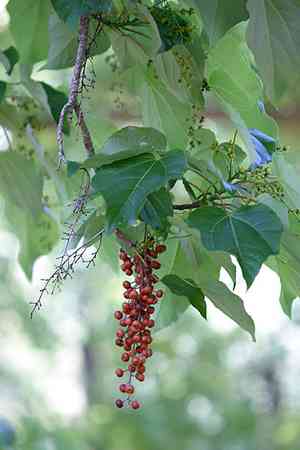
This deciduous tree, recognized for its drooping bunches of crimson fruit and expansive foliage, flourishes with meticulous trimming. Appropriate methods involve reducing crowded limbs and eliminating lifeless or ailing timber to foster air movement. The optimal time for pruning is from late winter to early spring, coinciding with the iigiri tree's inactive phase. Consistent trimming sculpts the tree and stimulates robust development, simultaneously potentially boosting fruit yield. Refrain from severe cutting to uphold the tree's inherent structure.
What Are the Benefits of Pruning Iigiri Tree?
What Are the Benefits of Pruning Iigiri Tree?
Trimming iigiri tree promotes robust development and maintains its desired form. It encourages new, healthy branches and leaves, ensuring a strong framework. Regular trimming also ensures iigiri tree's size is managed, fitting garden aesthetics and available space.
What Is the Best Time for Pruning Iigiri Tree?
What Is the Best Time for Pruning Iigiri Tree?
Trimming iigiri tree in late winter is optimal because the plant remains dormant, which minimizes stress and prevents sap from leaking, allowing for recovery before new growth starts. Early spring trimming, prior to bud break, offers similar advantages and supports vigorous growth for the upcoming season, while avoiding interference with blooming and fruit production.
What Tools Do I Need to Prune Iigiri Tree?
Hand Pruners
Perfect for cutting branches up to 3/4 inches in diameter, hand pruners offer precision and are suitable for shaping the canopy of iigiri tree without causing unnecessary harm to the plant.
Loppers
These are essential for branches that are somewhat thicker, typically up to 1 1/2 to 2 inches in diameter. Loppers provide greater leverage and can help maintain the health of iigiri tree by making clean cuts on larger branches.
Pruning Saw
For the thickest branches of iigiri tree that hand pruners and loppers cannot manage, a pruning saw is necessary. This tool will allow for cutting of branches over 2 inches in diameter.
Pole Pruner
Since iigiri tree can grow into a large tree, a pole pruner can assist in reaching higher branches without needing a ladder, making the trimming process safer and more efficient.
How to Prune Iigiri Tree
Identify
Inspect iigiri tree for dead or diseased branches, which often appear dry, brittle, discolored, or show visible signs of fungal infections or pest damage.
Sanitize
Clean and disinfect pruning tools with alcohol or a bleach solution before beginning to prevent the spread of disease while trimming iigiri tree.
RemoveDead
Use sharp, clean pruning shears to cut dead branches at the point where they meet healthy tissue, making a clean cut that angles away from the trunk of iigiri tree.
RemoveDiseased
Remove diseased branches on iigiri tree by cutting them well below the affected area, ensuring that you eliminate the entire diseased portion to prevent further spread.
Disposal
Dispose of all removed material (dead and diseased branches) safely, away from iigiri tree, to prevent the risk of disease transmission or re-infection.
Common Pruning Mistakes with Iigiri Tree
Over-pruning
Removing too much foliage from iigiri tree can weaken the plant, making it susceptible to pests and diseases. It can also reduce flowering as iigiri tree may flower on old wood.
Improper cutting technique
Incorrect cutting methods can result in jagged cuts that are more vulnerable to infections. Clean, angled cuts help the plant heal faster and prevent disease.
Pruning without disinfecting tools
Failing to disinfect tools between cuts or plants can spread diseases to iigiri tree, which can be detrimental to the plant's health.
Neglecting crossing or rubbing branches
Ignoring branches that cross or rub against each other can lead to wounds and infections, harming the overall health and appearance of iigiri tree.
Ignoring weak or dead growth
Not removing weak, dead, or diseased branches can hinder iigiri tree's growth and vigor, as these parts can drain energy from the healthy sections.
Common Pruning Tips for Iigiri Tree
Clean cut technique
Use sharp, disinfected pruning shears to make clean, angled cuts just above a bud or branching point to promote healthy regrowth in iigiri tree.
Focus on health
When trimming iigiri tree, prioritize the removal of dead, damaged, or diseased wood to maintain plant health and structure.
Consider aesthetic shape
Shape iigiri tree carefully, keeping in mind its natural form. Avoid excessive cutting back of main branches to maintain a pleasing and balanced shape.
Encourage air circulation
Thin out dense areas of iigiri tree to improve air and light circulation, which helps reduce the risk of fungal diseases and encourages more robust growth.
Protect the collarette
Respect the branch collar when making cuts to avoid damaging the collarette, which is essential for proper healing and prevention of decay in iigiri tree.



