How to Transplant Queen of hearts?
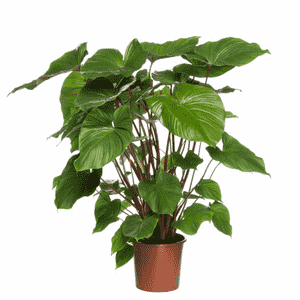
Relocating queen of hearts is most successful when performed during the revitalizing period of spring, specifically between the end of winter and the start of flowering. Select a spot that offers shade and possesses damp, adequately draining earth. Careful manipulation throughout the move guarantees the ongoing robustness of queen of hearts.
What Preparations are Needed Before Transplanting Queen Of Hearts?
What is the Ideal Time for Transplanting Queen Of Hearts?
For queen of hearts, the perfect transplanting period extends from early spring's onset to its later stages. This timeframe promotes the smooth integration of queen of hearts into its new setting, utilizing the mild temperatures and steady moisture crucial for root development. By transplanting during this optimal window, queen of hearts benefits from the active growth season, allowing it to strengthen its root system before summer's intense heat. A friendly reminder: this period offers your queen of hearts a gentle transition, supporting a vigorous start in its new home.
How Much Space Should You Leave Between Queen Of Hearts Plants?
Hello, gardening enthusiast! You'll want to provide your queen of hearts ample room to thrive. Aim to space them approximately 12-18 inches (30-46 cm) apart. This allows them sufficient space to spread their beautiful foliage.
What is the Best Soil Mix for Queen Of Hearts Transplanting?
For your queen of hearts, consider preparing a comfortable bed with soil that drains well. Incorporate some compost or a balanced, slow-release fertilizer to give them a boost. They will grow best if the soil is rich and kept moist, but not waterlogged.
Where Should You Relocate Your Queen Of Hearts?
Your queen of hearts will flourish in a location that receives filtered sunlight or partial shade. Excessive direct sun can be harsh on them, so find a spot that offers the right balance - think bright but protected.
What Equipments Should You Prepare Before Transplantation Queen Of Hearts?
Gardening Gloves
To safeguard your hands while handling soil and the plant.
Trowel
For digging and moving soil around the plant during the transplanting process.
Shovel or Garden Spade
To excavate the plant, especially if it's large or being removed from the ground.
Pruning Shears
To trim any dead or excess foliage prior to transplanting.
Watering Can or Hose
For hydrating the plant before and after the transplant.
Wheelbarrow or Plant Dolly
To transport the plant if it is substantial or difficult to carry.
Gardening Fork
To loosen the soil surrounding the plant's roots, facilitating easier removal.
How Do You Remove Queen Of Hearts from the Soil?
How Do You Remove Queen Of Hearts from the Soil?
From Ground: Hydrate the queen of hearts plant to moisten the soil. Use a shovel or garden spade to dig a wide circle around the plant, taking care not to harm the root ball. Gently pry beneath the root ball with the shovel to lift the plant from the soil.From Pot: Tilt the pot sideways, and tap its sides and bottom to loosen the soil. Grasp the base of the queen of hearts plant and carefully ease it out of the pot while supporting the root ball.From Seedling Tray: Use a trowel or a fork to gently scoop under the seedlings. Lift them carefully to avoid damaging their delicate roots and stems.
Step-by-Step Guide for Transplanting Queen Of Hearts
Digging the New Hole
Measure the width and depth of the queen of hearts's root ball. Dig a hole in the ground that is twice as wide and the same depth as the root ball to provide ample space for roots to expand freely.
Preparing the Plant
Before removing the queen of hearts from its original spot, trim any dead leaves or overly long roots with pruning shears to help the plant focus on re-establishing in its new location.
Removing the Plant
Depending on the queen of hearts's location, use the outlined removal process to extract the plant with care to avoid damaging the root system.
Positioning
Place the queen of hearts in the center of the new hole, ensuring it's at the same depth as it was in its original location to prevent stem rot or drying out.
Filling the Hole
Refill the hole with soil, gently firming it around the plant's base to eliminate air pockets, which can dehydrate roots.
Watering
Immediately after transplanting, water the queen of hearts generously to settle the soil around the roots and provide essential hydration for recovery.
How Do You Care For Queen Of Hearts After Transplanting?
Settling In
For the initial few weeks, closely observe the queen of hearts for indications of stress such as wilting or yellowing leaves and adjust care as necessary.
Mulching
Apply a layer of organic mulch around the base of the queen of hearts to help retain moisture and regulate soil temperature.
Supporting
If the queen of hearts is tall or top-heavy, use plant stakes or ties to help it remain upright while the roots establish.
Regular Checks
Monitor the soil moisture regularly, as the queen of hearts will require consistent hydration to develop new roots. Be careful not to overwater, which can lead to root rot.
Troubleshooting Common Issues with Queen Of Hearts Transplantation.
When is the best time to transplant queen of hearts?
Ideally, transplant queen of hearts in the peak of spring, between early and late spring, when the soil is warm and workable.
How far apart should I space queen of hearts when transplanting?
Space queen of hearts optimally at 12-18 inches (30-46 cm) apart to give each plant sufficient room to thrive.
What soil conditions favor queen of hearts after transplanting?
Plant queen of hearts in well-draining, fertile soil with ample organic matter to ensure vigorous growth post-transplant.
How deep should the hole be for transplanting queen of hearts?
The hole should be slightly larger than the root ball, ensuring roots have space to comfortably expand.
What should I do if queen of hearts wilts after transplanting?
Provide shade and gentle watering to alleviate stress. Queen of hearts may wilt as it adjusts, but proper care can ease the transition.
How much water does queen of hearts need after transplanting?
Water queen of hearts thoroughly until established, maintaining consistent moisture without overwatering to encourage strong root development.
Should I fertilize queen of hearts immediately after transplanting?
Wait a few weeks post-transplant before fertilizing, allowing queen of hearts to settle in and roots to recover.
Why are my queen of hearts's leaves turning yellow after transplant?
Yellow leaves could indicate overwatering or shock. Ensure proper drainage and slightly reduce watering frequency.
Can queen of hearts be transplanted in full sun?
While queen of hearts can adapt, it prefers indirect light. Full sun immediately after transplanting might stress the plant.
What are signs of root damage in queen of hearts after transplanting?
Root damage manifests as stunted growth, wilting, or discolored leaves. Handle roots gently during transplant to prevent this.



