How to Propagate Queen of hearts?
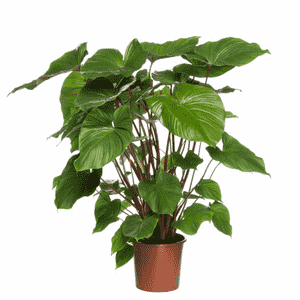
The Queen of Hearts, a favored houseplant admired for its ornamental leaves, is predominantly multiplied via cuttings. For successful root development, choose a robust stem cutting possessing a minimum of two nodes. Submerge the severed end in rooting compound to encourage root formation, then embed it in a damp, adequately draining potting substrate. Offer diffused illumination and sustain uniform soil hydration without oversaturation, thereby cultivating a conducive setting for the new roots to properly take hold.
Optimal Period for Queen Of Hearts Propagation
Propagation Method
Cutting
Propagation Period
Spring,Summer
Tools Required for Queen Of Hearts Propagation
Sharp pruning shears
Primarily utilized for obtaining clean, precise cuttings from queen of hearts. Sharp blades prevent stem tissue damage, which is vital for successful root development from the cut end. A clean cut also minimizes infection risk, promoting healthier growth during the rooting phase.
Rooting hormone powder or gel
This aid promotes faster root formation from queen of hearts cuttings. Applying rooting hormone to the stem's cut end before planting boosts the likelihood of successful rooting by stimulating root cell development at the cut site. This is particularly beneficial for queen of hearts to ensure robust root growth, crucial for the plant's eventual transplant and survival.
Clean pots or trays with drainage holes
These containers are used for planting and initial growth of queen of hearts cuttings. Adequate drainage is essential to prevent waterlogging, which can cause root rot and fungal infections. Using clean, sterile pots also reduces disease transmission risk, ensuring a healthier propagation environment.
Sterile potting mix
A light, well-draining potting mix suitable for queen of hearts supports new root growth by providing proper aeration and moisture retention. Sterile mix prevents the introduction of soil-borne pathogens that could negatively impact the delicate new roots forming from the cuttings.
Plastic covers or mini greenhouses
These create a moist atmosphere around the queen of hearts cuttings, which helps prevent moisture loss and ensures adequate humidity levels necessary for root formation. This microenvironment also maintains stable temperature conditions, aiding in the quicker establishment of the cutting.
How to Propagate Queen Of Hearts?
Propagation Type
Easy
Post-Propagation Care for Queen Of Hearts
How to Care for Your Newly Propagated Queen Of Hearts?
Once roots are established, typically visible after 4-6 weeks, gradually acclimate queen of hearts to less humid conditions by removing the plastic cover for longer periods daily over a week. Then, care for queen of hearts by placing it in indirect light, keeping the soil consistently moist but not waterlogged, and feeding with a balanced liquid fertilizer every 4-6 weeks during the growing season. Avoid direct sun and drafts to ensure healthy growth.
Common Errors to Avoid When Propagating Queen Of Hearts
Overwatering during propagation
Excessive watering can lead to root rot, significantly hindering the root development of queen of hearts. Too much moisture creates an anaerobic environment around the roots, making them susceptible to fungal infections.
Using non-sterile propagation tools
Unsanitized tools can introduce pathogens to queen of hearts cuttings or root divisions, leading to infections that can kill the propagules before they successfully establish.
Excessive handling or disturbance
Frequent handling or disturbing the roots during the early stages of propagation can damage the delicate new roots of queen of hearts, reducing the plant's ability to absorb nutrients and water effectively.
Advice for Propagating Queen Of Hearts
Use of a rooting hormone
Applying a rooting hormone to queen of hearts cuttings can stimulate root development and increase propagation success rates. This promotes healthier and quicker growth.
Maintain high humidity
Keeping the environment around queen of hearts humid (but not wet) supports the development of new roots. Enclosing the plant in a clear plastic bag with ventilation can help maintain the necessary humidity.
Proper soil mix
Using a well-draining, fertile, and slightly acidic soil mix helps queen of hearts to establish roots more effectively. The soil should retain moisture without becoming waterlogged to support healthy root growth.



