How Much Sunlight Do Queen of hearts Need?
1
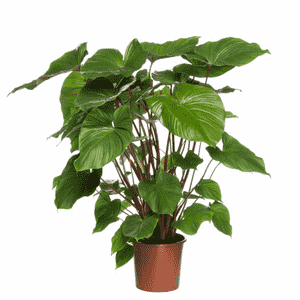
The Queen of hearts flourishes in dim to moderate light, making it a superb option for interior areas receiving filtered sunlight.
2
Refrain from exposing your Queen of hearts to direct sun, as this may lead to scorched leaves and fading.
3
In colder seasons, think about employing supplemental artificial illumination to compensate for diminished natural light.
Deciphering the Light Needs of the Queen of Hearts
Optimal Illumination Conditions
The Queen of Hearts thrives in dim to moderate light. Ideally, it should receive filtered sunlight, achievable by placing it in a room with light diffused by sheer curtains or in a spot that gets patchy sunlight throughout the day. A location with consistent, mild light will keep the Queen of Hearts content.
Native Environment and Light Requirements
Originating from the undergrowth of tropical forests, the Queen of Hearts is accustomed to limited light exposure. This natural habitat explains its preference for shaded areas and its ability to flourish without direct sun. Replicating these conditions at home will ensure your plant stays robust and lively.
Indicators of Insufficient or Excessive Light
Observe specific cues that suggest your Queen of Hearts is getting too much or too little light. If leaves develop brown edges or appear scorched, it likely indicates excessive direct sunlight. Conversely, if the plant shows slow development, pale or yellow foliage, or a stretched appearance, it might not be receiving enough light. Promptly adjusting light levels can resolve these issues.
Optimal Strategies for Providing Light to the Queen of Hearts
Ideal Indoor Placement
Selecting the correct indoor spot for your Queen of Hearts is vital. Position the plant near windows that offer indirect or filtered sunlight, such as those facing north or east. These areas typically provide the gentle illumination this plant favors without exposing it to harsh, direct rays.
Utilizing Artificial Lighting
In settings where natural light is scarce, particularly during shorter winter days, artificial lights can be an excellent substitute. Employ fluorescent or LED grow lights to supplement the Queen of Hearts' light needs. Maintain the light source at an appropriate distance to prevent overheating, aiming for approximately 12-16 hours of light daily.
Seasonal Light Adjustments
Modifying the light exposure for your Queen of Hearts throughout the year is crucial. During winter, when natural light is limited, you might need to move the plant closer to windows or increase artificial light exposure. Conversely, in summer, ensure the plant is sufficiently shaded to prevent damaging direct sun exposure.
Common Light-Related Problems for the Queen of Hearts
Sunburn and Leaf Damage
A frequent issue for the Queen of Hearts is leaf scorch caused by excessive direct sunlight. The foliage can develop brown, crispy edges, or even large brown spots. If these symptoms appear, immediately relocate the plant to a shadier spot to prevent further harm.
Stretched Growth and Insufficient Light
If your Queen of Hearts begins to grow taller with elongated stems and fewer leaves, it might be exhibiting leggy growth due to inadequate light. This is the plant's attempt to stretch towards more light. To prevent this, ensure it receives ample indirect sunlight or supplement with artificial lights if necessary.
Balanced Light for Robust Development
Achieving the correct balance in light exposure is essential for the Queen of Hearts. By providing consistent, moderate light and monitoring the plant's reactions, you can maintain a healthy, lush appearance. Regularly rotate the plant to ensure even light distribution, which can help prevent uneven growth patterns.
FAQs: Light and the Queen of Hearts
Can the Queen of Hearts Endure Low Light?
Yes, the Queen of Hearts can tolerate low light conditions quite well. It is adaptable and can survive in dimmer environments, making it an excellent choice for offices or rooms with minimal natural light. However, for optimal growth and vibrancy, a balance of indirect light is recommended.
How Can I Determine If My Queen of Hearts Is Receiving Enough Light?
Observing your Queen of Hearts for signs of healthy growth is key. Look for vibrant, rich green leaves and steady, moderate development. If the plant appears pale, stretched, or the leaves show signs of discoloration, it could indicate insufficient sunlight. Adjusting the light conditions will help maintain the plant's health.



