The Hidden Danger in Your Home? Unmasking the Toxicity of the Queen of hearts Plant.
1
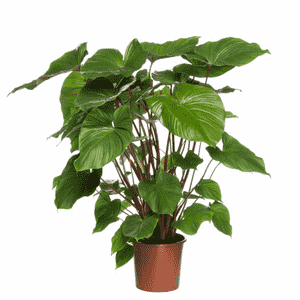
The plant known as queen of hearts has calcium oxalate, which can lead to sensations of burning, swelling, and digestive upset if consumed.
2
Felines are susceptible to toxicity from queen of hearts, exhibiting signs of physical discomfort; prompt veterinary intervention is crucial.
3
For canines, queen of hearts may cause mouth irritation and vomiting, necessitating quick veterinary care to address the symptoms.
Is Queen of hearts toxic to humans?
Queen of hearts exhibits slight toxicity to people, mainly if eaten. The entire plant contains calcium oxalate, which causes its poisonous properties. When any part of queen of hearts is consumed, the calcium oxalate can trigger various symptoms. These might include a burning feeling in the mouth and throat, swelling of the lips, tongue, and throat, trouble swallowing, and possible breathing problems if swelling blocks the airway. Furthermore, ingestion can cause digestive upset, marked by nausea, vomiting, and diarrhea. It's vital for individuals to know these dangers to avoid accidental poisoning, especially since the whole plant, despite its toxicity, could be mistakenly eaten.
Is Queen of hearts toxic to cat?
Queen of hearts poses a slight toxicity threat to cats. If a cat accidentally consumes any part of the plant, poisoning may occur. The entire plant contains calcium oxalate, which can lead to signs of physical discomfort in felines. These symptoms often stem from how calcium oxalate impacts the tissues it contacts. Should such an event happen, it is essential to quickly get veterinary attention to ensure the affected cat's health and welfare.
Is Queen of hearts toxic to dog?
Queen of hearts is thought to have a low level of toxicity for dogs. When dogs inadvertently consume portions of queen of hearts, they face a poisoning risk due to the plant's calcium oxalate content. The whole plant, including its foliage, stalks, and roots, contains these harmful compounds. Symptoms that might appear after a dog has eaten queen of hearts include mouth irritation, excessive drooling, throwing up, and trouble swallowing. It is crucial for dog owners to watch their pets carefully and restrict access to queen of hearts. If a dog does ingest any part of queen of hearts, seeking immediate veterinary care is vital for proper treatment and symptom management.



