How to Prune Queen of hearts?
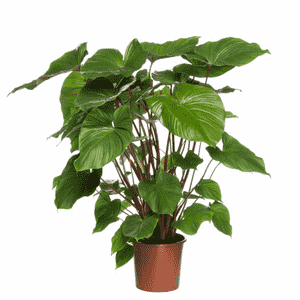
The queen of hearts, recognized by its distinctive cordate foliage, flourishes with routine trimming. Successful pruning entails excising discolored or deceased leaves and shaping the plant. The most opportune moments for pruning are during the active growth phases of spring or summer, with minor adjustments permissible in autumn if required. This practice stimulates denser growth and revitalizes the specimen. Utilize sanitized cutting tools to make incisions above leaf junctions, thereby averting pathogen transmission. Consistent trimming additionally amplifies the plant's verdant aesthetic and fosters robust maturation.
What Are the Benefits of Pruning Queen Of Hearts?
What Are the Benefits of Pruning Queen Of Hearts?
Trimming queen of hearts encourages robust development and preserves its decorative form. Strategic cuts enhance light penetration and air circulation within the foliage, crucial for strong health. Keeping queen of hearts well-trimmed also prevents excessive growth, ensuring a compact, appealing shape.
What Is the Best Time for Pruning Queen Of Hearts?
What Is the Best Time for Pruning Queen Of Hearts?
Trimming queen of hearts in spring coincides with the start of its active growth period, allowing the plant to recover quickly from pruning stress and use energy for producing new foliage and strengthening existing growth. Early summer is also suitable as queen of hearts continues to grow actively, and any necessary shaping or size management can be done without harming the plant's health. Pruning during fall is not advised as it might stimulate new growth that won't harden off in time for winter, potentially leading to cold damage.
What Tools Do I Need to Prune Queen Of Hearts?
Sharp Bypass Pruners
Perfect for making clean cuts on queen of hearts's stems, reducing disease risk and fostering healthy growth.
Micro-Tip Snips
These are suitable for precise trimming of queen of hearts's delicate shoots and leaves due to their small and fine structure.
Disinfectant
Used for cleaning pruning tools before and after use to prevent the spread of pathogens to and from queen of hearts.
Gardening Gloves
Essential for protecting hands during the pruning process and providing a better grip on tools when handling queen of hearts.
How to Prune Queen Of Hearts
Sanitization
Before beginning, sterilize all pruning tools with rubbing alcohol or a bleach solution to prevent disease spread to queen of hearts.
Removal of diseased leaves
Carefully inspect queen of hearts for diseased leaves, which may show signs of discoloration or spots. Using sharp, sterilized scissors, cut these leaves off at the stem's base.
Removal of withered leaves
Identify any withered or yellowing leaves on queen of hearts. Gently prune them away at their base to maintain a healthy appearance and stimulate new growth.
Removal of dead branches
Look for branches on queen of hearts that are completely dry, brown, and snap easily. Prune these dead branches at the point where they meet healthy tissue, making a clean cut without damaging the main stem.
Removal of diseased branches
Check for branches that show signs of disease, such as unusual markings or lesions. Prune diseased branches on queen of hearts back to healthy wood, ensuring a diagonal cut to allow water to run off and minimize the chance of disease.
Common Pruning Mistakes with Queen Of Hearts
Overpruning
Removing too much foliage can stress queen of hearts, weaken the plant, and reduce its vigor.
Improper Cutting Technique
Cutting too close to, or too far from, the main stem or node can damage queen of hearts and impair healthy regrowth.
Not Sterilizing Tools
Failure to use sterile pruning tools can introduce pathogens to queen of hearts, leading to disease.
Ignoring Plant Shape
Random or improper cutting without considering the natural shape of queen of hearts can result in an unsightly appearance and uneven growth.
Pruning Healthy Foliage Unnecessarily
Excessive removal of healthy leaves can deplete queen of hearts's energy reserves and limit its growth potential.
Disregarding Wounded Areas
Neglecting to prune damaged or diseased parts of queen of hearts can allow problems to spread and worsen.
Common Pruning Tips for Queen Of Hearts
Selective Pruning
Target only dead, yellowed, or diseased leaves for removal to maintain queen of hearts's health and appearance.
Clean Cuts
Make clean cuts at a 45-degree angle near the base of the leaf stem to promote quick healing and prevent damage to queen of hearts.
Sterilize Pruning Tools
Sterilize cutting tools before use with alcohol or bleach solution to prevent the spread of disease to queen of hearts.
Maintain Natural Shape
Follow the natural contour of queen of hearts when pruning to keep its appearance full and balanced.
Prune Damaged Foliage
Regularly inspect and remove any damaged or diseased parts to prevent the issue from affecting the rest of queen of hearts.
Post-Pruning Care
Provide queen of hearts with adequate water and nutrition after pruning to support recovery and new growth.



