How to Transplant Barbados lily?
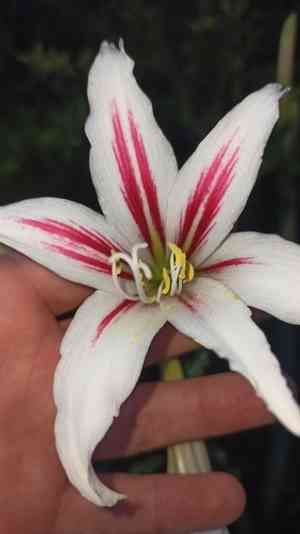
The arrival of warmer weather during spring's renewal is ideal for relocating barbados lily, as it gets ready for vigorous development. Select a sunny spot with soil that drains effectively to foster an abundance of its impressive flowers.
Essential Preparations Before Relocating Barbados Lily?
Optimal Timing for Barbados Lily Relocation?
The start of the active growth phase is ideal for moving barbados lily. This allows root establishment prior to summer heat. Transplant barbados lily during this revitalizing period to encourage robust development and abundant blooms. Embrace this season; its favorable weather conditions enhance barbados lily's potential for strong growth.
Required Spacing Between Barbados Lily Plants?
When moving barbados lily, ensure adequate room for each plant. The recommended spacing is approximately 6-8 inches (15-20 cm) apart. This provides ample space for strong root development and beautiful flowering.
Best Soil Mixture for Barbados Lily Relocation?
Barbados lily thrives in well-draining soil. Additionally, prepare a base fertilizer rich in potash and phosphorus to support growth. A balanced 10-10-10 mix can yield optimal results.
Optimal Location for Your Barbados Lily?
Barbados lily prefers ample sunlight, so select a bright spot in your garden. However, avoid excessively intense sun, which can scorch leaves. Partially shaded areas receiving about 6 hours of daily sunlight are perfect.
Necessary Equipment for Barbados Lily Transplantation?
Gardening Gloves
To safeguard your hands from potential scrapes or irritations from the barbados lily plant or soil.
Shovel or Trowel
For excavating holes in the ground where you will place the barbados lily bulbs.
Garden Fork
To gently lift barbados lily bulbs from their original spot without harming the roots.
Watering Can
For maintaining soil moisture during and after the transplanting process.
Mulch
To cover the soil around the bulb post-transplant, aiding in moisture retention.
Organic Compost
Provides essential nutrients to the barbados lily plant, fostering healthy development.
Method for Extracting Barbados Lily from Soil?
Method for Extracting Barbados Lily from Soil?
From Ground: Start by digging a circle around the barbados lily bulb with a garden fork, aiming to minimize root disturbance. Gradually work the fork beneath the bulb, carefully lifting it from the ground. Gently rinse the bulb to remove excess soil. From Pot: Begin at the pot's rim, moving towards the bulb with a trowel, keeping root disturbance minimal while loosening the soil. Once loose, carefully tip the pot and slide the barbados lily plant out, keeping the root ball intact. From Seedling Tray: If removing a young bulb from a seedling tray, use a spoon or similar tool to gradually scoop around the bulb. Work from top to bottom, ensuring even deep roots are free before lifting it from the tray.
Step-by-Step Guide for Relocating Barbados Lily
Preparation
Clear the area of weeds or other plants, and dig a hole approximately twice the bulb's size. The hole's depth should allow the bulb's top to be at soil level when planted.
Bulb Placement
Position the barbados lily bulb in the hole, ensuring roots are spread downwards. The pointed end of the bulb should face upward.
Backfilling
Fill the hole with soil, making sure the soil covers the bulb about halfway.
Composting
Apply organic compost on top of the soil to supply vital nutrients for the bulb.
Watering
Water the ground generously, thoroughly moistening the compost and soil. Then, add mulch over the compost to help retain soil moisture.
Post-Transplant Care for Barbados Lily?
Monitor Growth
Regularly observe the barbados lily plant for new sprouts. These should appear within 2 to 6 weeks, indicating successful transplant.
Watering
Water the barbados lily plant sparingly until growth emerges, ensuring the soil doesn't completely dry out. Afterward, water only when the topsoil feels dry.
Fertilizing
Apply a balanced, slow-release fertilizer around the barbados lily plant approximately every four to six weeks during its growth period.
Deadheading
Maintain the plant's fresh appearance by removing spent flowers. This encourages the plant to direct energy towards root and foliage development.
Protection
Insulate the planting area with mulch in cold weather to safeguard the barbados lily plant.
Addressing Common Barbados Lily Transplantation Issues.
When is the best time to transplant barbados lily?
The ideal period to move barbados lily is during season S1. This provides the plant with optimal conditions for root establishment and flourishing.
What is the correct planting depth for barbados lily bulbs?
For barbados lily, plant bulbs so that the upper third of each bulb remains above soil level, or about 2-3 inches (5-7.6 cm) deep.
What spacing is recommended when transplanting barbados lily?
To ensure healthy growth, maintain a distance of 6-8 inches (15-20 cm) between barbados lily bulbs. This allows ample room for root expansion.
How much water does barbados lily need after transplanting?
After transplanting barbados lily, water thoroughly. However, avoid excessive watering, as this could lead to bulb rot.
What soil type is best for transplanting barbados lily?
Barbados lily thrives in well-draining soil. A suitable mix might include peat moss, compost, and sharp sand, ensuring excellent drainage and nutrients.
How can I encourage barbados lily to bloom after transplanting?
After moving barbados lily, reduce watering and place it in a cooler, darker spot for about 8-10 weeks. This simulates its natural dormancy and will promote flowering.
How quickly can I expect barbados lily to grow after transplanting?
With proper care, you should observe new growth from barbados lily within 2-3 weeks post-transplanting.
Why are the leaves of my transplanted barbados lily turning yellow?
Yellowing leaves in barbados lily often indicate over-watering or inadequate drainage. Consider adjusting your watering routine or improving soil drainage.
What should I do if my transplanted barbados lily is not blooming?
If your barbados lily isn't flowering, it might be due to incorrect bulb planting depth, insufficient light, or water. Ensure these conditions are optimal.
How do I manage barbados lily bulb size during transplanting?
Larger barbados lily bulbs typically produce more flowers. If your bulbs are small, consider waiting another year before transplanting to allow them to mature.



