How Much Sunlight Do Barbados lily Need?
1
⢠Barbados lily flourishes with 6-8 hours of sun each day.
2
⢠Do not position your Barbados lily in spots receiving intense, direct afternoon sun.
3
⢠Employing sheer drapes or shades can assist in managing indoor light levels.
The Vital Role of Sunlight for Barbados Lily Development
Photosynthesis Process in Barbados Lily
Sunlight is essential for photosynthesis, the mechanism by which the Barbados lily transforms light energy into chemical energy. Chlorophyll within the leaves absorbs solar radiation, which is then utilized to convert water and carbon dioxide into glucose and oxygen. This process not only fuels the plant's development but also provides the energy required for flowering. Without sufficient light, your Barbados lily cannot produce the sustenance it needs, leading to stunted growth and minimal or no blossoms.
Influence of Light Intensity on Barbados Lily Flowering
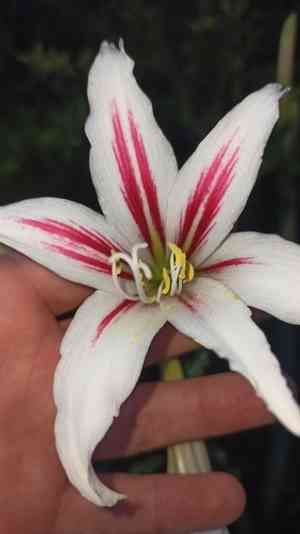
The intensity of light directly impacts the blooming cycles of a Barbados lily. A brightly lit environment promotes vigorous flowering, displaying the plant's striking red or pink blossoms. However, excessive light can be as damaging as insufficient light, causing leaves to burn and flowers to wilt prematurely. Achieving the correct balance in light intensity is crucial for ensuring a thriving, vibrant Barbados lily.
How Much Sunlight Does a Barbados Lily Need?
Ideal Sunlight Conditions for Barbados Lily
A Barbados lily requires approximately 6 to 8 hours of sunlight daily, but it flourishes best in bright, indirect illumination. This type of light can be achieved by positioning the plant near a north or east-facing window. Indirect light ensures the plant receives adequate energy without the risk of leaf scorching.
Can Barbados Lily Withstand Full Sun?
While a Barbados lily can endure full sun, it is not optimal. Extended exposure to direct sunlight, especially during the peak midday hours, can cause harm. Instead, aim for bright, filtered light. If direct sun exposure is unavoidable, limit it to the morning hours when the sun's rays are less intense.
How to Provide Sufficient Indoor Sunlight
Ensuring your Barbados lily receives adequate indoor sunlight involves strategic placement. Select windows that get ample light throughout the day but avoid direct afternoon sun, which can be too strong. You can use sheer curtains to diffuse the light and prevent sunburn while still allowing enough light for photosynthesis.
Indicators of Improper Lighting in Barbados Lily
Symptoms of Insufficient Sunlight
If your Barbados lily is not getting enough light, you will observe elongated growth, with stems becoming long and weak as the plant stretches towards the light. The foliage may also yellow, and fewer flowers will appear. Another sign of low light is the plant's failure to thrive, manifesting as stunted development.
Signs of Excessive Sunlight Exposure
Too much sunlight can also be detrimental. Indicators include scorched or brown leaves, drooping, and wilting of the plant despite proper watering. The blooms may also fade quickly or lack vibrancy. These symptoms suggest the plant is receiving too much direct sunlight and needs to be moved to a location with filtered light.
Tips for Adjusting Sunlight Exposure
Utilizing Shade for Temperature Regulation
To manage light exposure and temperature, employing shade can be highly effective. If your Barbados lily is outdoors, consider placing it under a tree or an awning to provide natural filtered light. Indoors, translucent blinds or curtains can help soften harsh sunlight and prevent overheating.
Relocating Your Barbados Lily for Improved Light
Sometimes, simply moving your Barbados lily to a different spot can make a significant difference. If it's not thriving in its current location, try placing it in an area where it receives more consistent light throughout the day. Monitor the plant for one to two weeks after the move to observe any improvements in its growth and flowering.
Supplementing with Artificial Grow Lights
During winter or in areas with limited natural light, artificial grow lights can be an excellent supplement. LED grow lights are efficient and can provide the necessary light spectrum for photosynthesis. Position the lights approximately 20-30 cm (8-12 inches) above the plant and ensure they are on for about 12-14 hours daily to mimic natural sunlight.



