How to Prune Barbados lily?
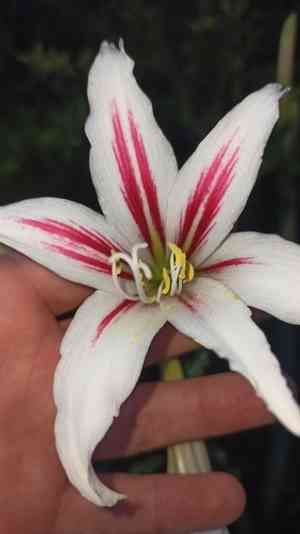
Perfect for well-lit interior environments, barbados lily, featuring its bell-shaped blossoms, flourishes with consistent trimming. Eliminate deceased or discolored foliage at any point, making cuts near the plant's foundation. Following flowering, snip flower stems 1-2 inches above the bulb to stimulate renewed blooming. Year-round pruning contributes to both the plant's well-being and visual appeal. Disinfect implements to avert pathogen transmission. Trimming guarantees that vitality is channeled into fresh development, leading to more robust specimens.
What Are the Benefits of Pruning Barbados Lily?
What Are the Benefits of Pruning Barbados Lily?
Trimming barbados lily encourages flower production, revitalizes growth, and maintains a tidy appearance. Removing faded flowers diverts energy to new buds, while shaping promotes stronger, more vigorous development.
What Is the Best Time for Pruning Barbados Lily?
What Is the Best Time for Pruning Barbados Lily?
The optimal period to prune barbados lily is right after its blooming season, typically in spring or early summer. Pruning during this post-flowering phase allows for the removal of spent blossoms and dead foliage without hindering new growth. This timing leverages barbados lily's natural dormant cycle following flowering, reducing stress on the plant. By cutting back leaves once they have yellowed and died, the plant's energy can be channeled into the bulbs, promoting a more robust future bloom. It is crucial to use sterilized pruning tools to prevent disease introduction. Regular trimming thins the foliage, potentially improving air circulation, which can help deter fungal infections and other common barbados lily ailments. Other seasons permit a less intensive pruning approach, focusing solely on removing diseased or damaged foliage as needed. Effective pruning ensures healthy development, enhances the plant's aesthetic appeal, and preserves its structural integrity.
What Tools Do I Need to Prune Barbados Lily?
Sharp Bypass Pruners
Barbados lily's foliage and flower stems require precise cuts to avoid harming plant tissue. Bypass pruners are ideal as they deliver a clean cut, less likely to damage remaining plant parts compared to anvil-type pruners, which can crush tissue.
Sterilizing Solution (e.g., Isopropyl Alcohol or Bleach solution)
To prevent disease transmission during barbados lily pruning, tools should be disinfected before use on the plant and between cuts if any disease signs are present. A simple solution, such as isopropyl alcohol or a bleach mixture, should be used to wipe down the blades.
Precision Pruning Snips
For deadheading or removing faded barbados lily flowers, precision snips are useful for making accurate cuts without causing unnecessary damage to nearby healthy plant parts.
How to Prune Barbados Lily
Clean tools
Before starting, disinfect your pruning tools with isopropyl alcohol to prevent disease spread.
Remove diseased parts
Carefully snip off any diseased leaves or branches from barbados lily, cutting back to healthy tissue.
Trim withered parts
Prune withered leaves and dead or faded flower stalks at their base to maintain barbados lily's appearance and direct energy to healthy growth.
Cut dead branches
Remove dead branches by making clean cuts where they meet healthy tissue, ensuring not to harm the main bulb.
Dispose waste
Collect all removed plant material and discard it away from healthy plants to minimize disease risk.
Common Pruning Mistakes with Barbados Lily
Over-pruning
Removing excessive foliage or too many blooms, which can stress barbados lily and reduce its ability to photosynthesize and store energy for future growth.
Cutting healthy leaves
Unnecessarily pruning healthy foliage, which can impede the plant's growth and its capacity to bloom.
Pruning at the wrong stage
Cutting back barbados lily when it is preparing to flower or while it is blooming, which can result in a loss of blooms.
Using dull or dirty tools
Tools that are not sharp or clean can damage the plant's tissue, making barbados lily more vulnerable to disease.
Incorrect cuts
Making cuts too close to the bulb or not at an angle, which can cause water to accumulate and promote rot.
Common Pruning Tips for Barbados Lily
Post-bloom care
Once barbados lily has finished flowering, remove only the spent flower stalks by cutting them close to the base to encourage the plant to redirect energy to the bulb.
Leaf maintenance
Only remove leaves when they yellow and wither, indicating they are no longer beneficial to barbados lily's growth or energy storage.
Sharp tools
Use clean, sharp pruning shears or scissors to make precise cuts, reducing the risk of damaging barbados lily and preventing disease transmission.
Protect the bulb
Ensure that while removing any plant material, the bulb remains undisturbed to protect future growth cycles of barbados lily.
Sterilize tools
Between cuts and especially when moving between different plants, sterilize tools to prevent the spread of pests and diseases to barbados lily.



